The Morning It Stopped
What if… The 9/11 hijackers are stopped at airport security checkpoints, preventing the attacks and fundamentally altering America's 21st century.
Synopsis
Because the September 11 attacks are thwarted at the last moment, the resulting War on Terror is fought as a covert intelligence and law enforcement operation rather than a global military campaign. The US avoids ground wars in Afghanistan and Iraq, allowing authoritarian stability to linger in the Middle East while domestic politics shift away from national security toward economic and social divides. Osama bin Laden is eventually captured and tried, while the Twin Towers remain standing as ordinary office buildings, leaving America without the defining generational trauma of the attacks but facing deeply rooted modern polarizations.
The Morning It Stopped
What if… The 9/11 hijackers are stopped at airport security checkpoints, preventing the attacks and fundamentally altering America's 21st century.
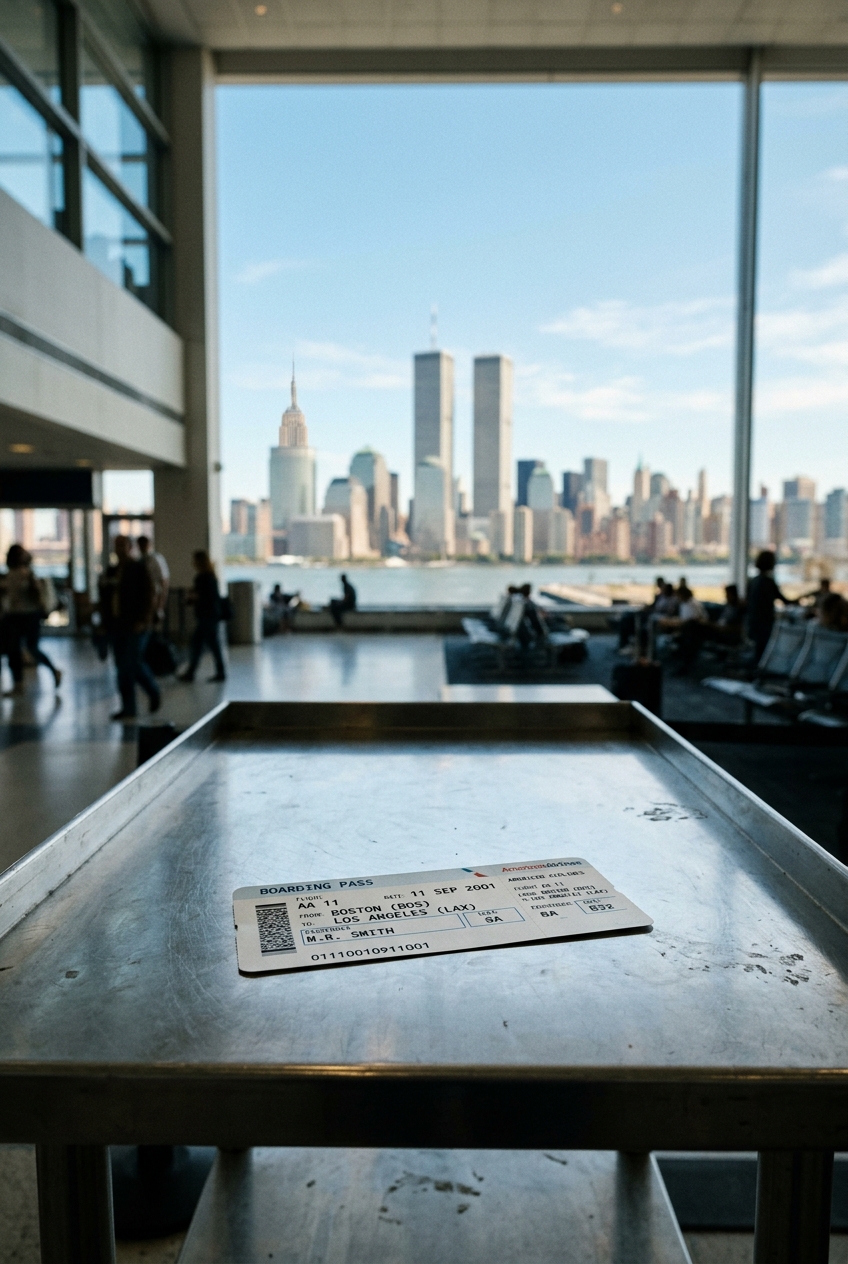
On the morning of September 11, 2001, nineteen members of al-Qaeda arrived at airports in Boston, Newark, and Washington, D.C., intending to hijack four commercial airliners and crash them into American landmarks. In our timeline, they succeeded, triggering a global war on terror and reshaping the 21st century. But in this timeline, the divergence occurs at the security checkpoints. At Boston's Logan International Airport, a highly calibrated magnetometer sounds an alarm as Mohamed Atta passes through. A thorough manual bag search reveals a concealed box cutter and a canister of mace. Suspicions are raised, local law enforcement is called, and rapid, unprecedented communication between airports leads to the immediate grounding of all domestic flights before a single plane leaves the tarmac.
The Beep at Checkpoint C
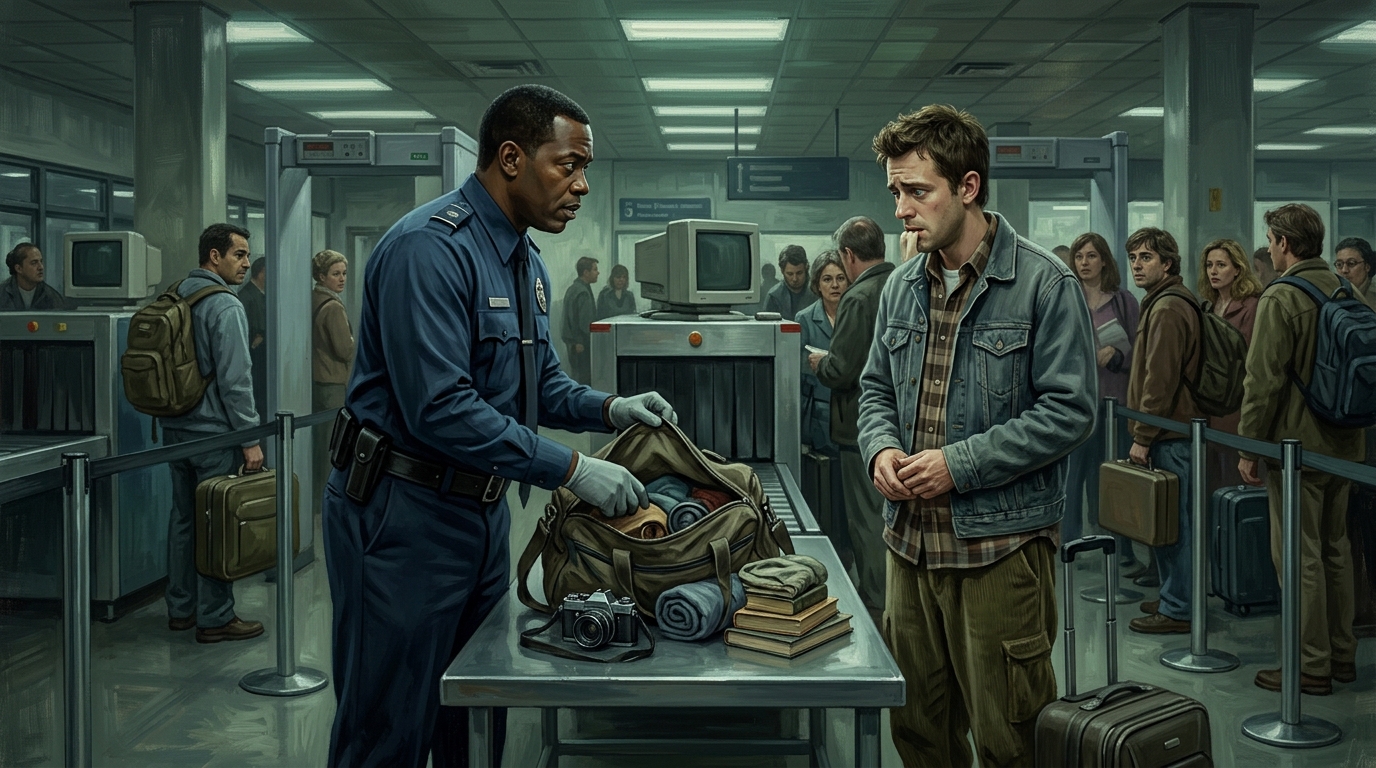
At 7:15 AM at Boston’s Logan Airport, a routine security screening alters history. When Mohamed Atta sets off a metal detector, a diligent screener conducts a manual search of his carry-on. Finding a box cutter and mace, security detains him. As he attempts to flee, police aggressively apprehend both Atta and his companion. Within minutes, the FAA receives an urgent bulletin regarding an apparent coordinated threat. By 8:00 AM, an unprecedented ground stop is ordered for all commercial aviation. At airports across the Eastern Seaboard, bewildered passengers are ordered off planes. In Newark and Dulles, authorities quietly move through the terminals, arresting the remaining conspirators. There are no explosions—only a tense, confusing morning of sudden delays and flashing police lights.
Unraveling the Nightmare
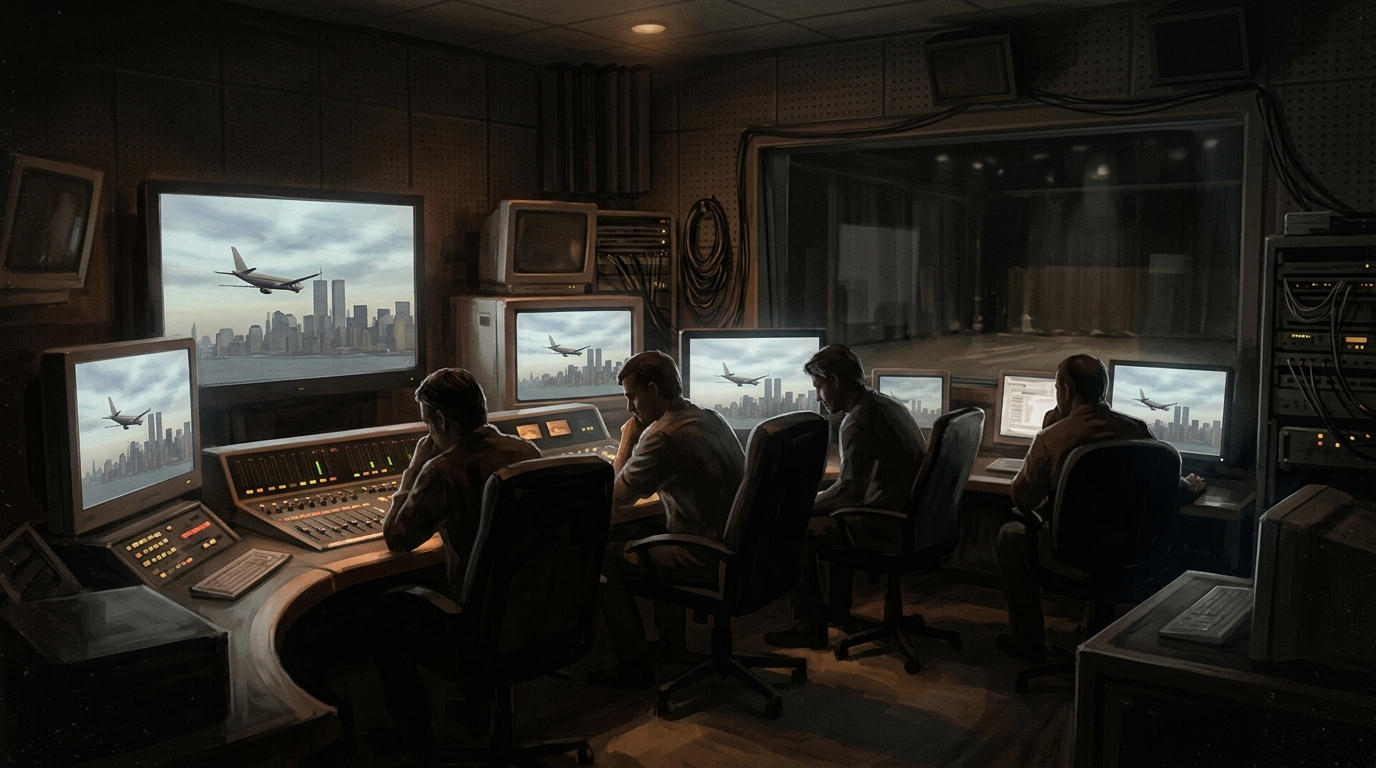
Over the next few weeks, the FBI unpacks the sheer scale of the thwarted 'Planes Operation.' Recovered laptops, flight manuals, and intense interrogations paint a chilling picture of an intended mass casualty event targeting New York and Washington. The American public is gripped by a cold, existential dread. News networks run computer-generated simulations of passenger jets striking the World Trade Center, leaving citizens horrified by what was narrowly avoided. The mood is not one of mourning, but of profound vulnerability. The Bush administration declares a national state of emergency, but without the visceral imagery of collapsing buildings and ash-covered streets, the political atmosphere remains deeply unsettled rather than uniformly unified. The nation demands justice, but the appetite for conventional war remains largely absent.
The Silent War
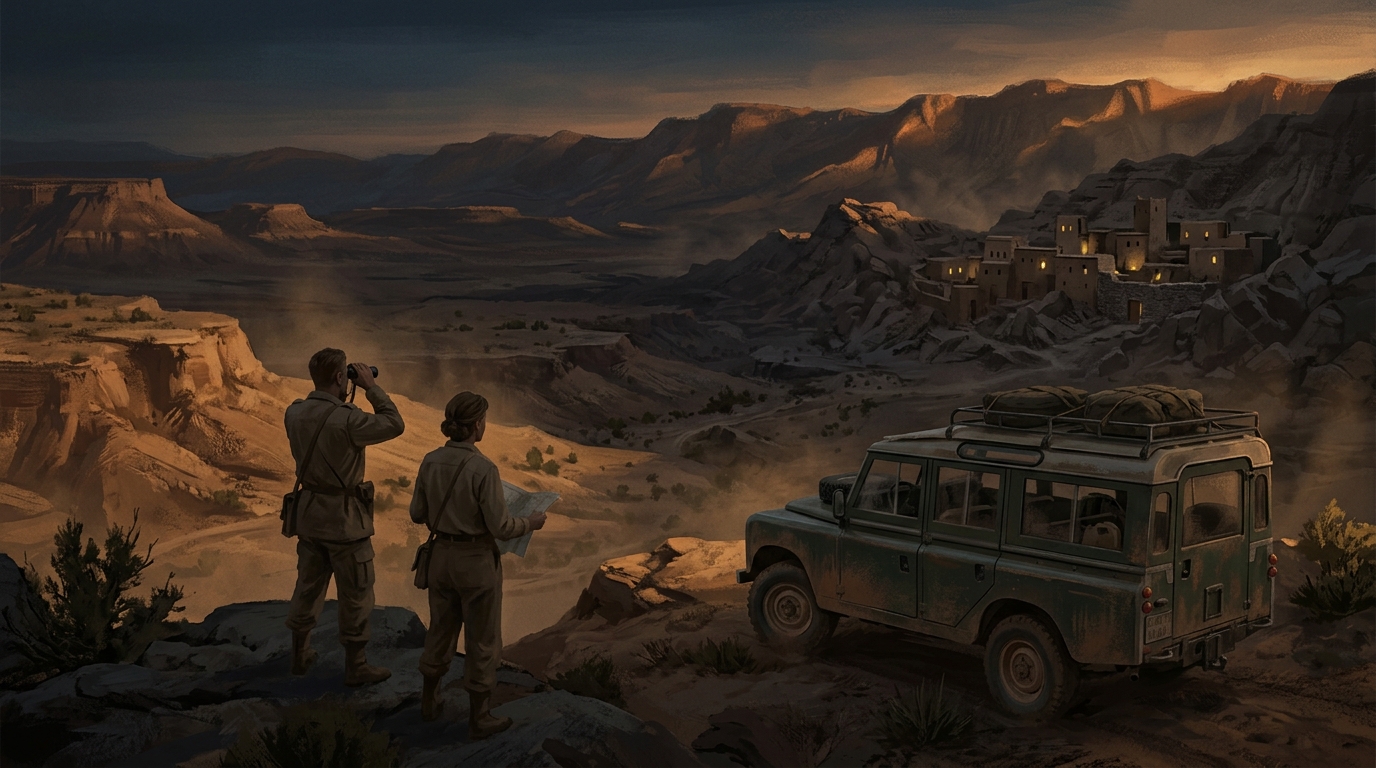
Instead of launching massive ground invasions, the United States initiates a ruthless, covert shadow war. Intelligence agencies are given expanded authority, and Special Operations Forces are quietly deployed to the Afghan-Pakistani border. The CIA works to systematically dismantle al-Qaeda's financial and logistical networks. Without the catastrophic loss of life on American soil, NATO declines to invoke Article 5, making the response a distinctly American intelligence crusade rather than a global military coalition. The Taliban, facing targeted drone strikes and economic strangulation rather than a full-scale invasion, eventually expels foreign fighters to maintain their fragile grip on power. The conflict is fought in safe houses, bank ledgers, and remote mountain passes—largely invisible to the American public.
The Security Mandate
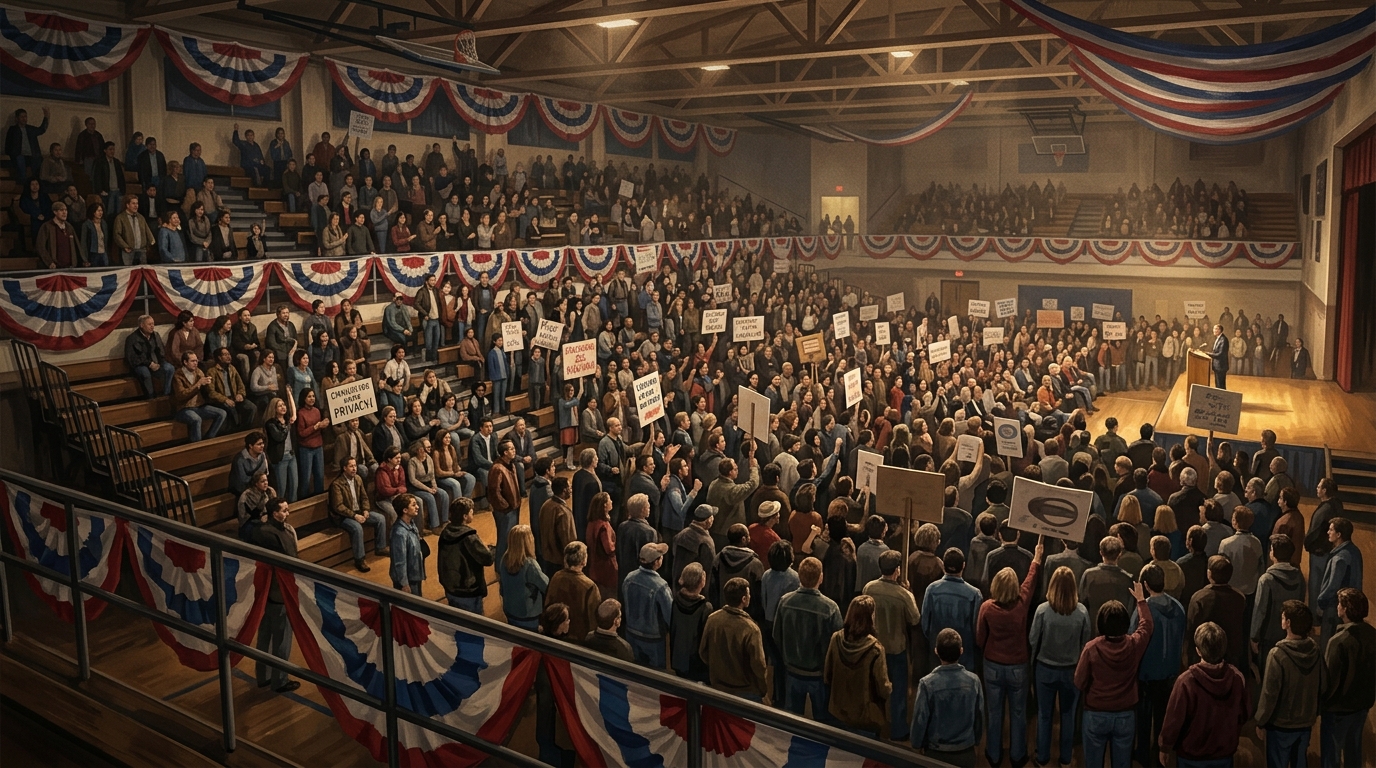
The 2004 US Presidential election hinges entirely on the balance of civil liberties and national security. A vast domestic security apparatus has been constructed, including a stringent new transportation agency, but proposed surveillance laws face fierce congressional pushback. Without the emotional trauma of thousands dead, civil rights groups successfully block the most sweeping elements of domestic spying bills. President George W. Bush campaigns on the fact that the homeland was kept safe, but struggles with a slowing economy unaffected by the artificial stimulus of a war industry. He faces a grueling re-election fight against a Democratic challenger who promises a return to domestic priorities and a measured, intelligence-first approach, fundamentally shifting the trajectory of 21st-century American politics.
The Stagnant Gulf
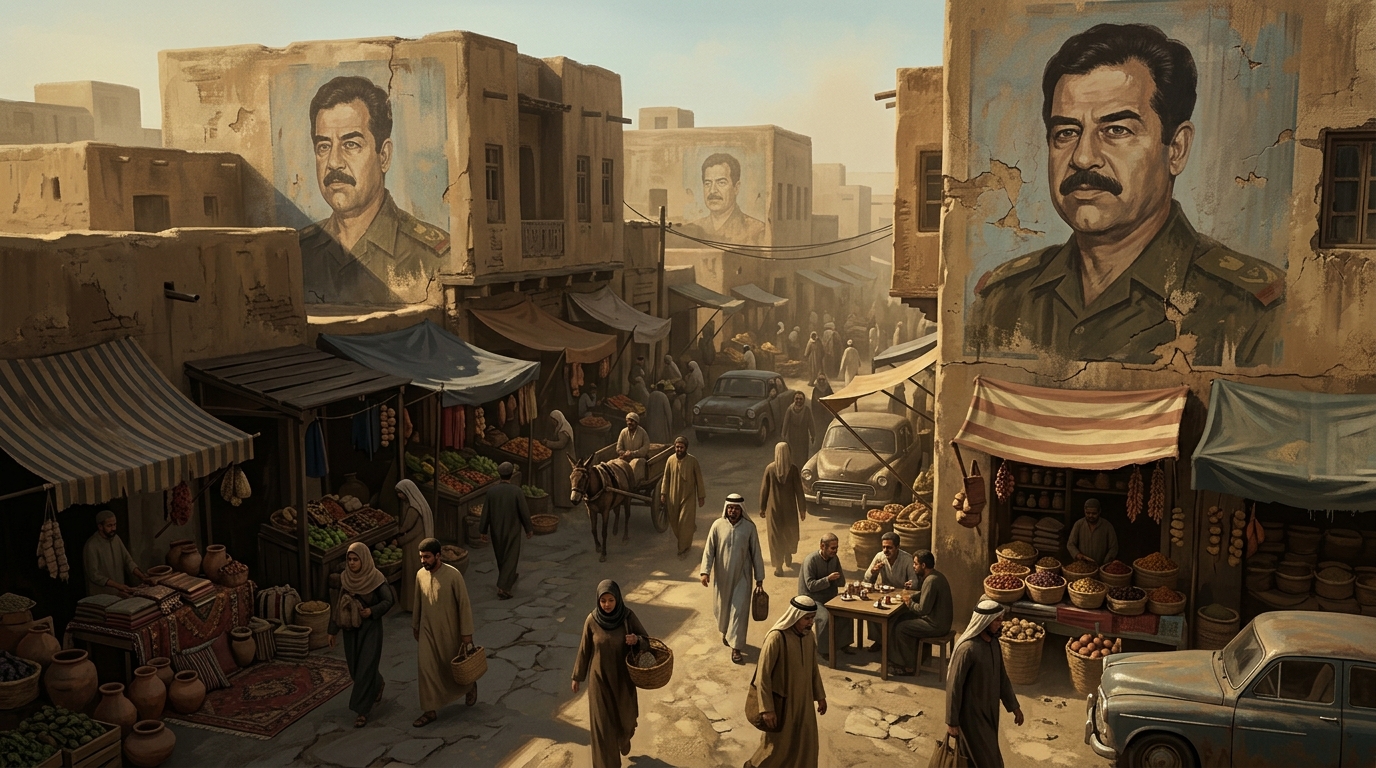
With the United States focused entirely on targeted counter-terrorism and domestic security, the geopolitical landscape of the Middle East remains largely frozen. Saddam Hussein remains in power in Iraq, aging and increasingly paranoid. Without a US invasion to topple him, there is no ensuing sectarian civil war, no sudden power vacuum for extremist insurgencies to exploit, and no rapid expansion of Iranian regional influence. However, Iraq is far from peaceful; it remains a suffocating police state. Across the region, authoritarian regimes continue their tight grip, supported by Western powers desperate for stability. Beneath the surface, demographic pressures and youth unemployment simmer, slowly building toward an inevitable, organic reckoning that will be triggered by citizens, not foreign armies.
The Capture of Bin Laden
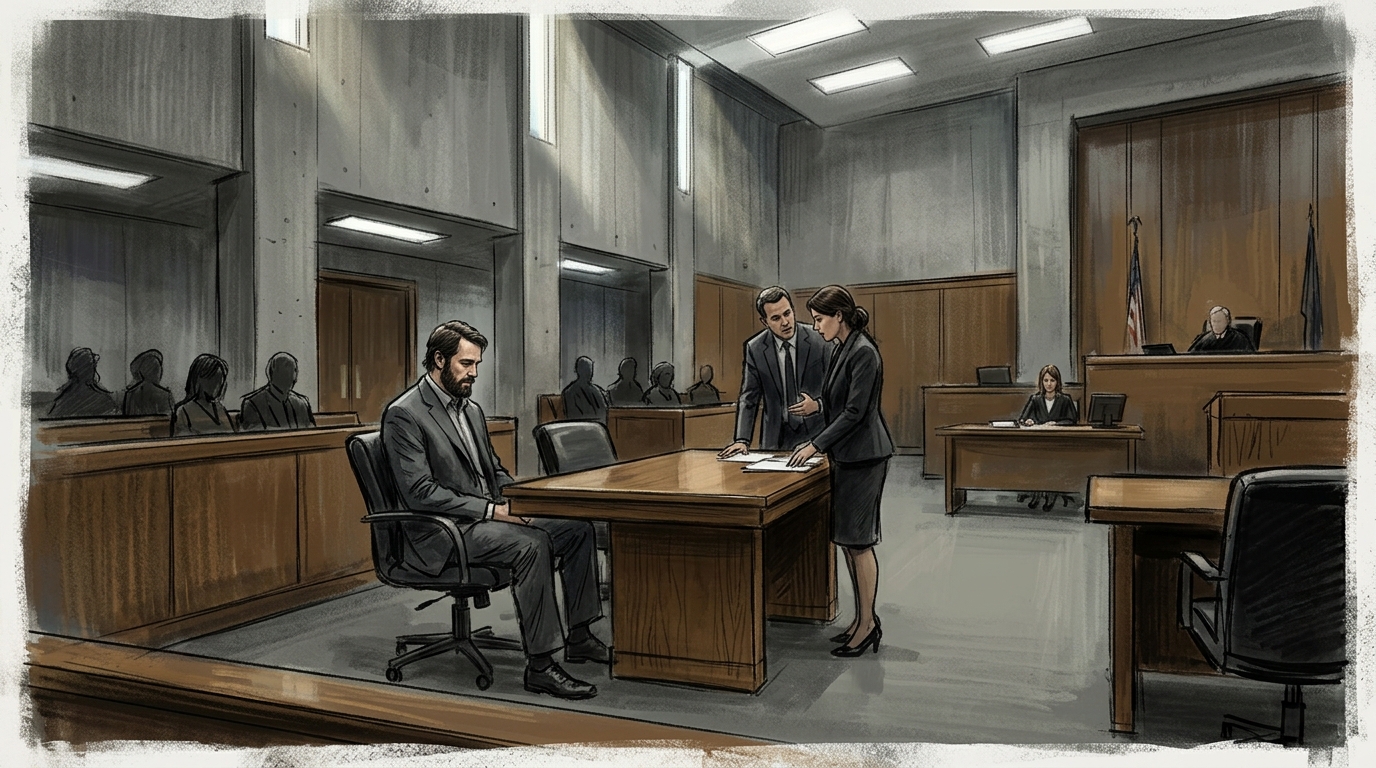
After nearly a decade of relentless, focused intelligence work undistracted by nation-building efforts, the CIA finally pinpoints Osama bin Laden's location in a sprawling compound in Abbottabad, Pakistan. Because the US military is not bogged down in regional wars, the operation is executed as a swift, joint diplomatic and tactical maneuver. A quiet, surgical raid by elite forces captures the al-Qaeda leader alive. He is brought to a federal courthouse in New York—the very city he sought to devastate—to stand trial. The proceedings become the trial of the century. Rather than attaining the status of a martyred phantom, Bin Laden is reduced to a criminal defendant in a suit, his ideology dismantled publicly in a courtroom.
The Untouched Skyline
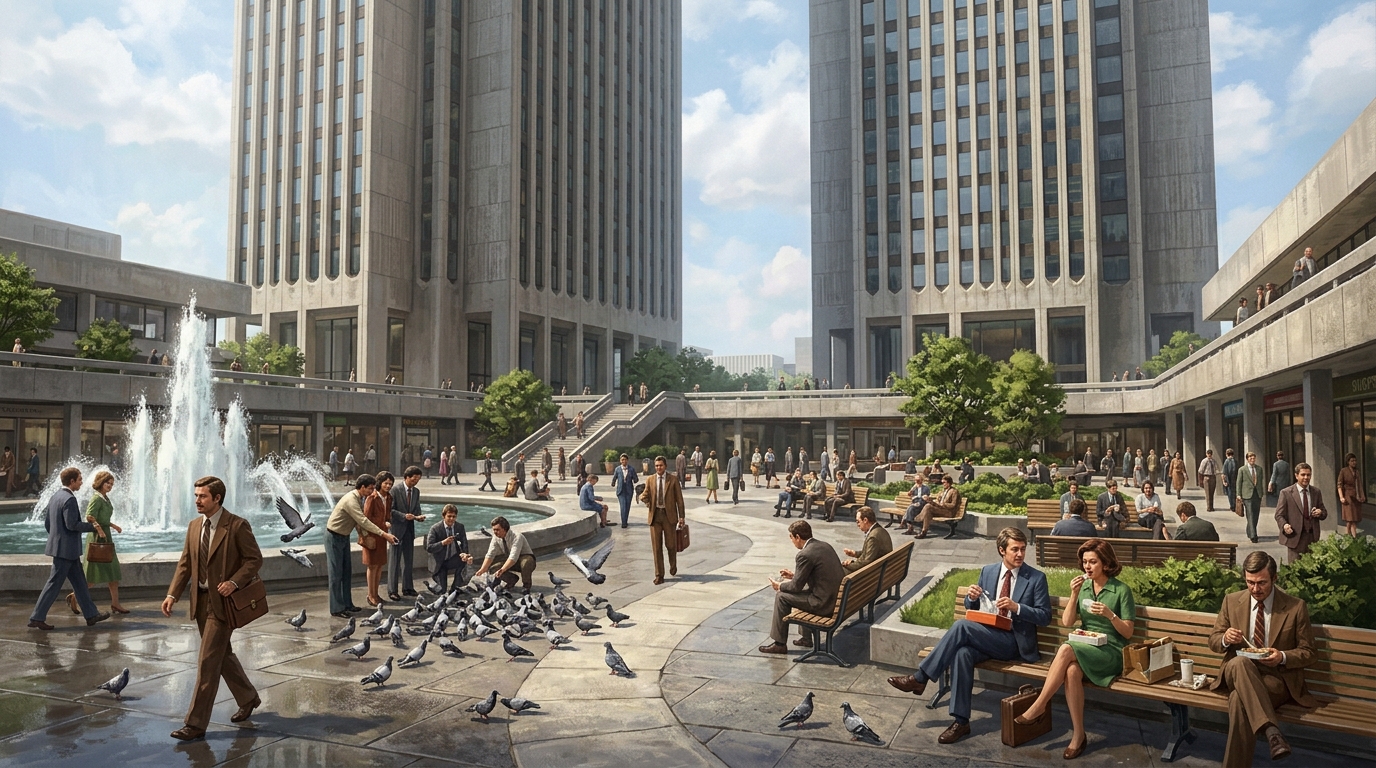
In Lower Manhattan, the Twin Towers still stand, their gleaming aluminum facades reflecting the morning sun. For a new generation of New Yorkers, they are simply aging office buildings—architectural relics of the 1970s. A young financial analyst drinks her coffee in the plaza, watching the fountain. To her, 'The Plot' is something she read about in middle school history class, a scary hypothetical that prompted the annoying, tedious security lines she endures at JFK airport. There is no memorial reflecting pool here, no heavy, hallowed silence. The plaza is loud, bustling, and wonderfully mundane. The survival of the World Trade Center has become a quiet, everyday testament to the vigilance of a few ordinary workers on a September morning fourteen years prior.
A Different Fracturing
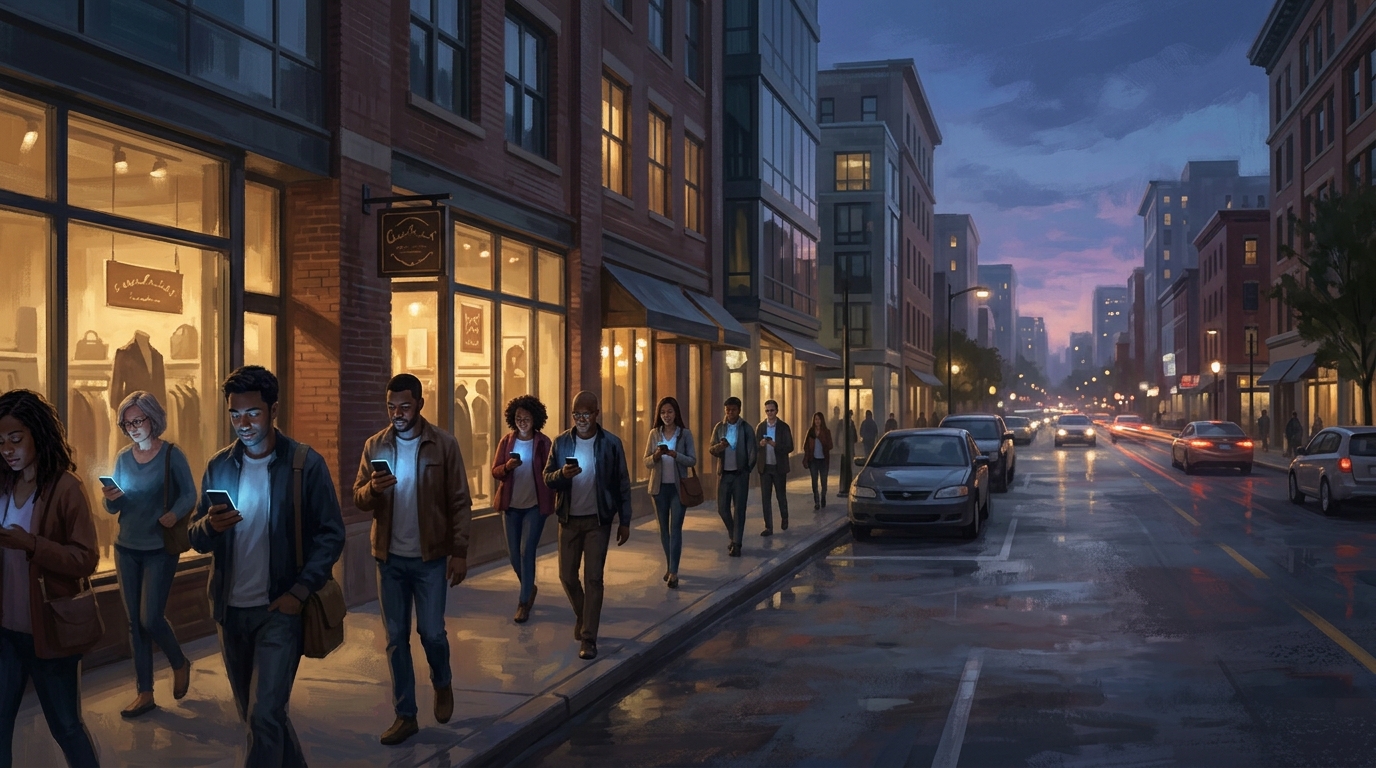
On the twentieth anniversary of the foiled plot, America is a nation shaped by entirely different pressures. Trillions of dollars not spent on foreign wars have been absorbed into the domestic economy, yet the country remains deeply polarized. The battle lines are drawn over economic inequality, technology, and climate change, rather than patriotism and foreign policy. The 'War on Terror' is remembered as a highly successful, albeit secretive, law enforcement operation rather than a defining generational conflict. The public trusts the intelligence community but distrusts the social media algorithms fracturing their daily lives. The world is undeniably complex and fractured, but it was spared the deep, bleeding wound of September 11, allowing history to unfold along a profoundly less violent path.
More from Alternate History