The Long Peace
What if… Gavrilo Princip misses his chance to assassinate Archduke Franz Ferdinand, averting the outbreak of World War I.
Synopsis
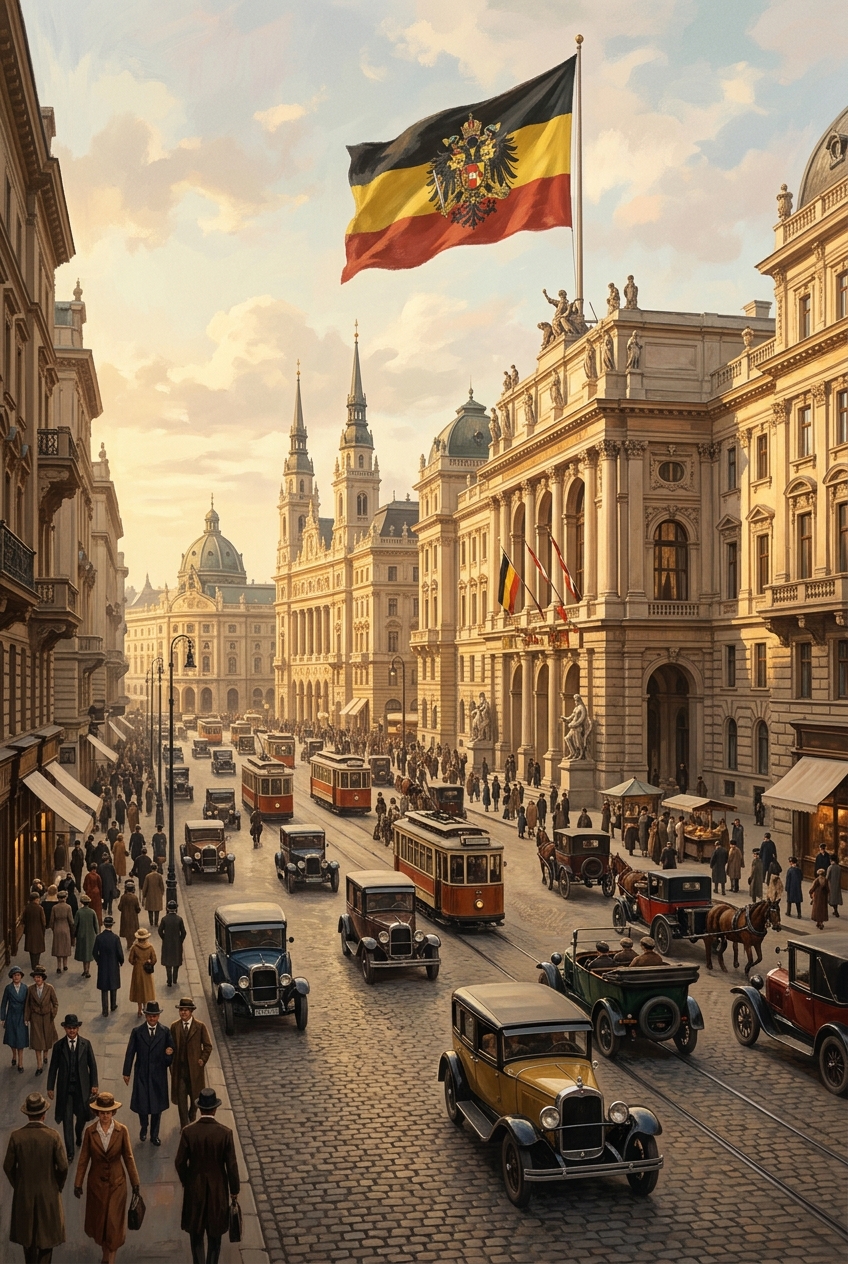
Without the assassination in Sarajevo, the July Crisis never occurs and World War I is averted. Europe's sprawling empires survive into the modern era, reshaping the 20th century. Russia undergoes slow, painful reform without a communist revolution, Austria-Hungary federalizes under a new Emperor, and the United States remains firmly isolationist. But the avoidance of a global war does not bring utopia; instead, deeply entrenched, unbroken European powers refuse to decolonize, leading to a long, grinding century of multi-polar Cold War, corporate monopolies, and protracted struggles for independence across the Global South.
The Long Peace
What if… Gavrilo Princip misses his chance to assassinate Archduke Franz Ferdinand, averting the outbreak of World War I.
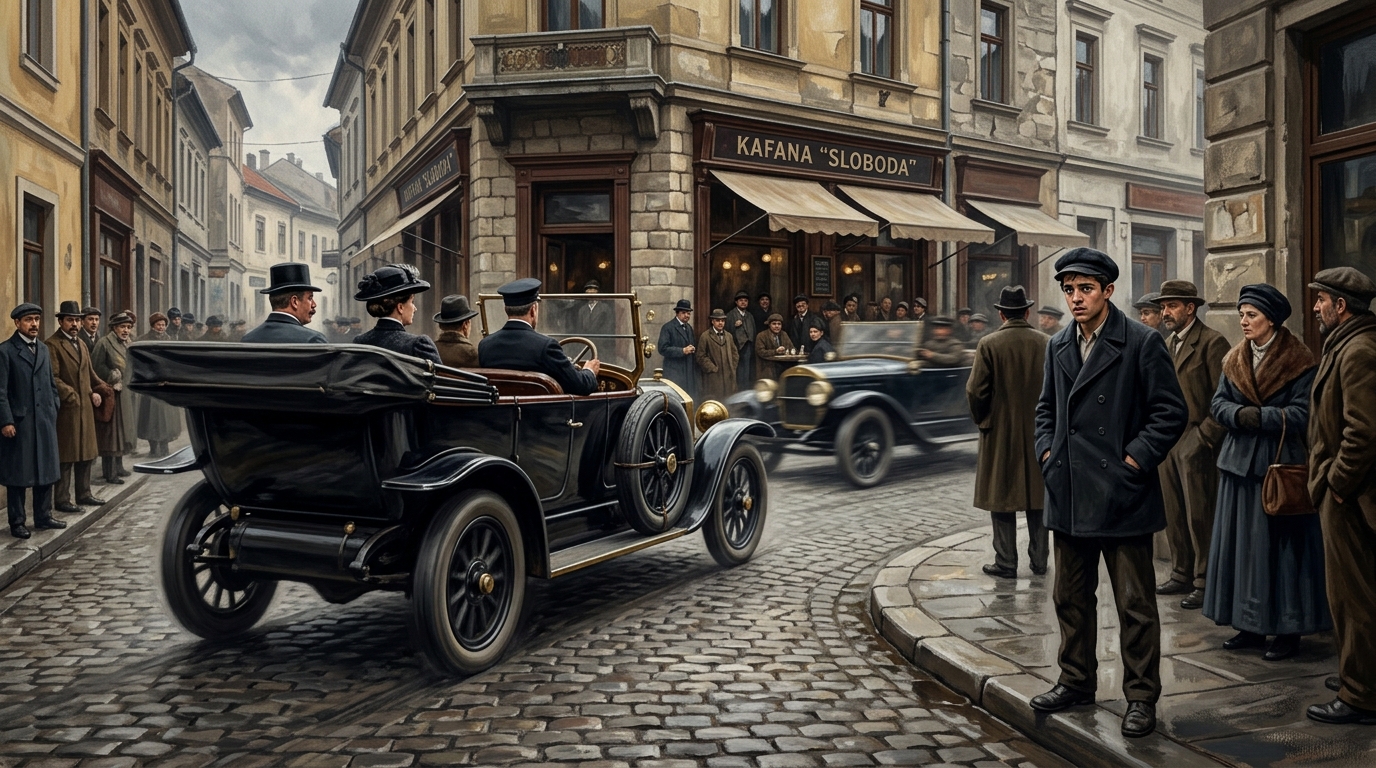
On June 28, 1914, Archduke Franz Ferdinand and his wife Sophie visited Sarajevo. In our timeline, their driver, Leopold Lojka, misunderstood a route change, turning onto Franz Josef Street where Gavrilo Princip was waiting outside a café. Two shots triggered the July Crisis, plunging the world into the Great War. But history often turns on the smallest hinges. In this timeline, the Sarajevo police chief clearly relays the new instructions. Lojka keeps the car on the Appel Quay, speeding safely past the assassin's post. Princip steps out of the café just in time to see the motorcade disappearing. The Archduke returns to Vienna shaken but alive, and the twentieth century takes a drastically different, yet equally complex, path.
The Ghost of Sarajevo
Though the assassination fails, the plot is rapidly uncovered. Serbian nationalists are implicated, sparking outrage in Vienna. However, without the emotional shock of a murdered heir, Emperor Franz Joseph cannot justify an immediate declaration of war. Instead of the sweeping July Ultimatum, Austria-Hungary demands severe economic sanctions and diplomatic humiliation for Serbia. The tension dominates headlines, but Europe's great alliance systems remain un-triggered. Young men in London, Paris, and Berlin who would have perished in the trenches of the Somme continue their peacetime lives. Gavrilo Princip is arrested days later, becoming a footnote in a local newspaper rather than the spark that ignited the world. The summer of 1914 ends peacefully, albeit under a dark, nervous cloud.
The United States of Greater Austria
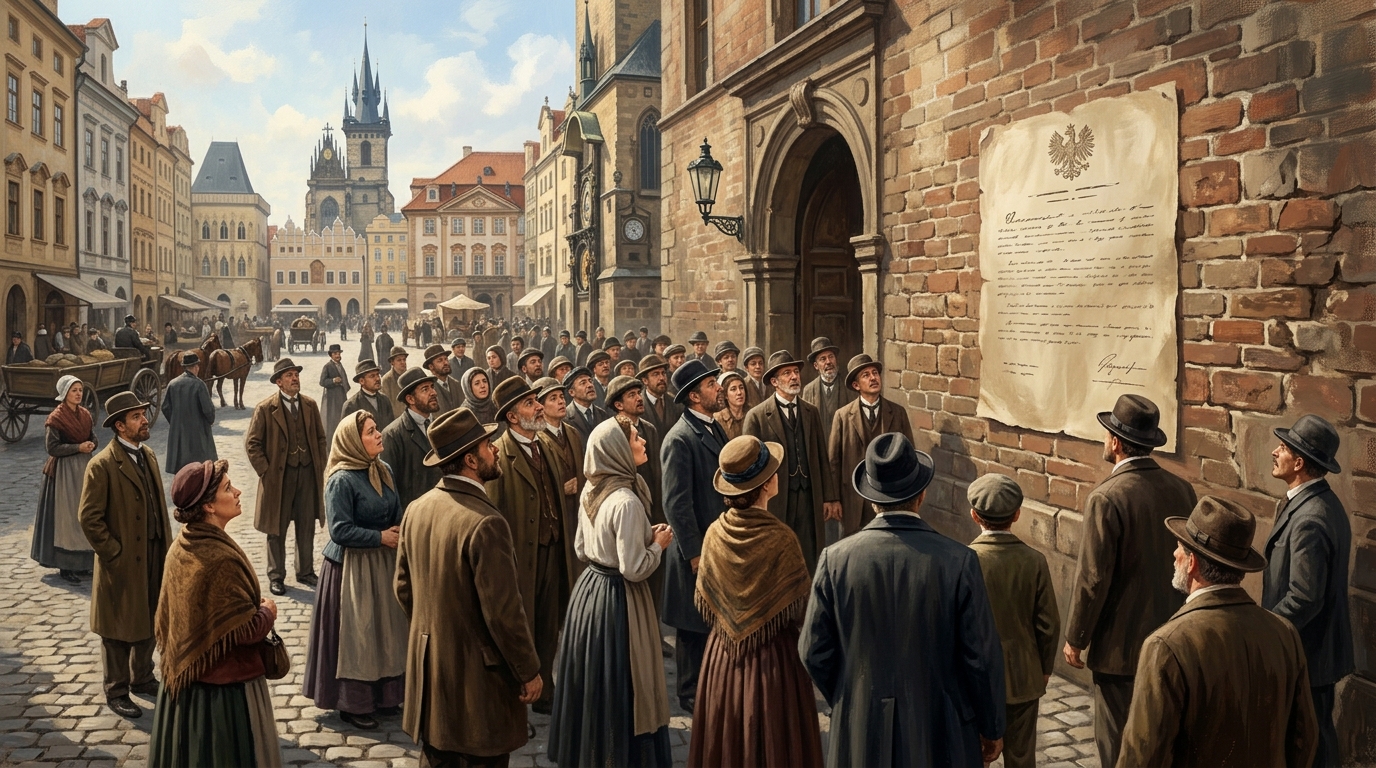
Emperor Franz Joseph passes away in late 1916, and Franz Ferdinand ascends to the throne. The new Emperor immediately implements his controversial vision: the federalization of the Austro-Hungarian Empire. Fearing collapse under ethnic tensions, he redraws the map, creating semi-autonomous states for Czechs, Croats, and Romanians. This infuriates the Hungarian nobility, who lose their dual-monarchy privileges. In Budapest, aristocrats seethe and riots break out, but Franz Ferdinand deploys the imperial army to maintain order. To a young clerk in Prague or a baker in Zagreb, the reforms bring a hopeful validation of their language and culture. The empire bends violently but does not break, transforming into a cumbersome but functional multi-ethnic federation that shifts the balance of Central Europe.
The Long Twilight of the Tsars
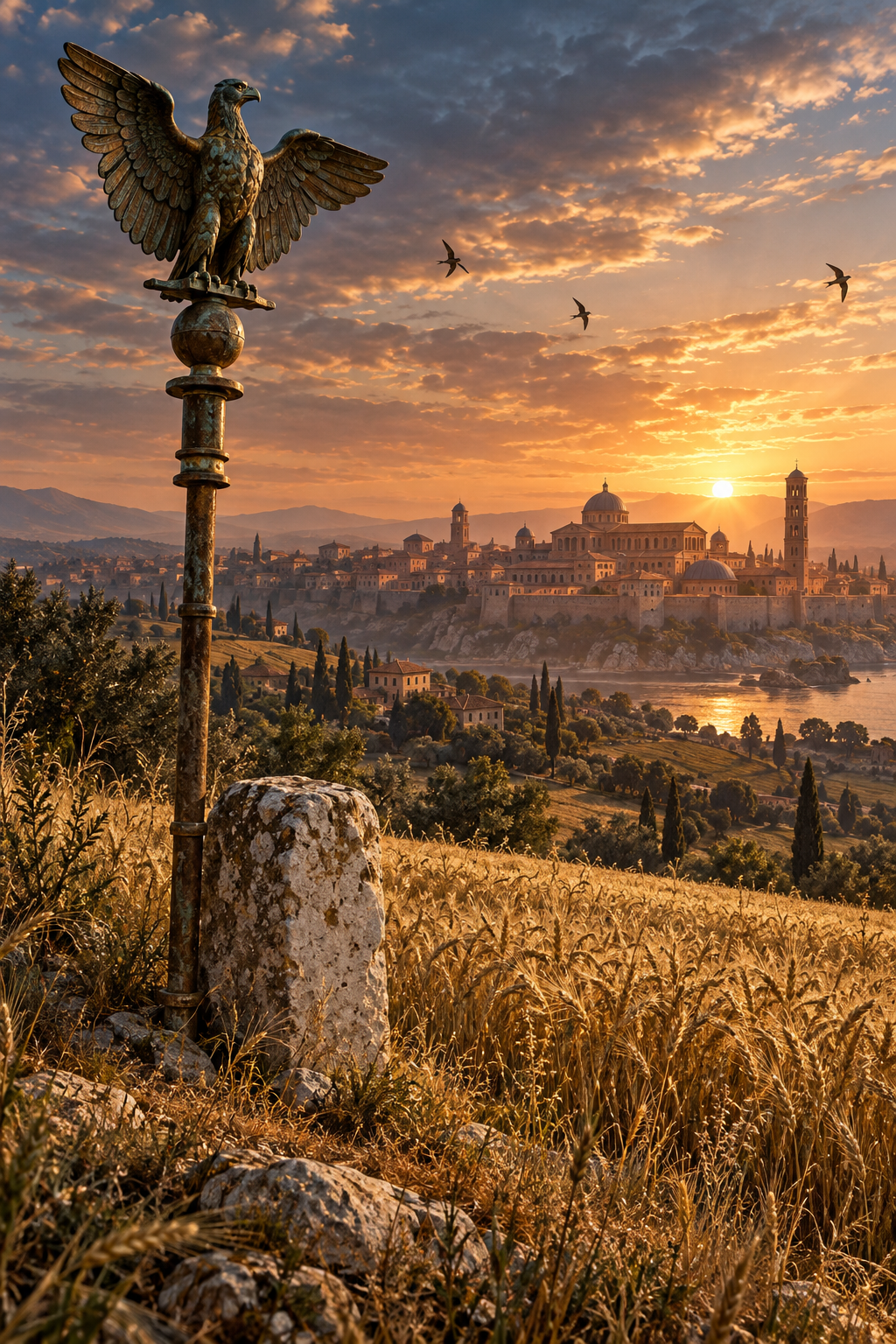
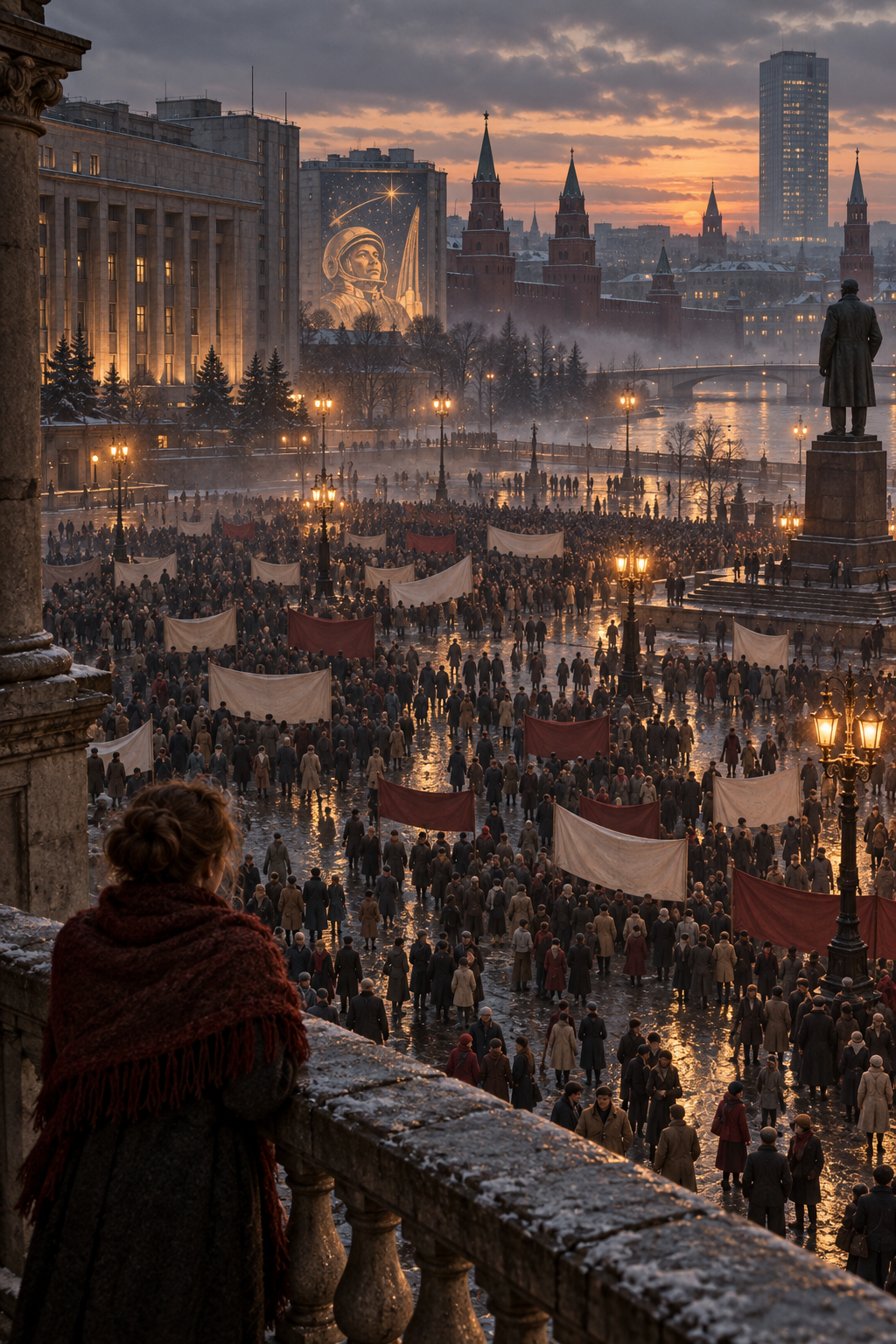
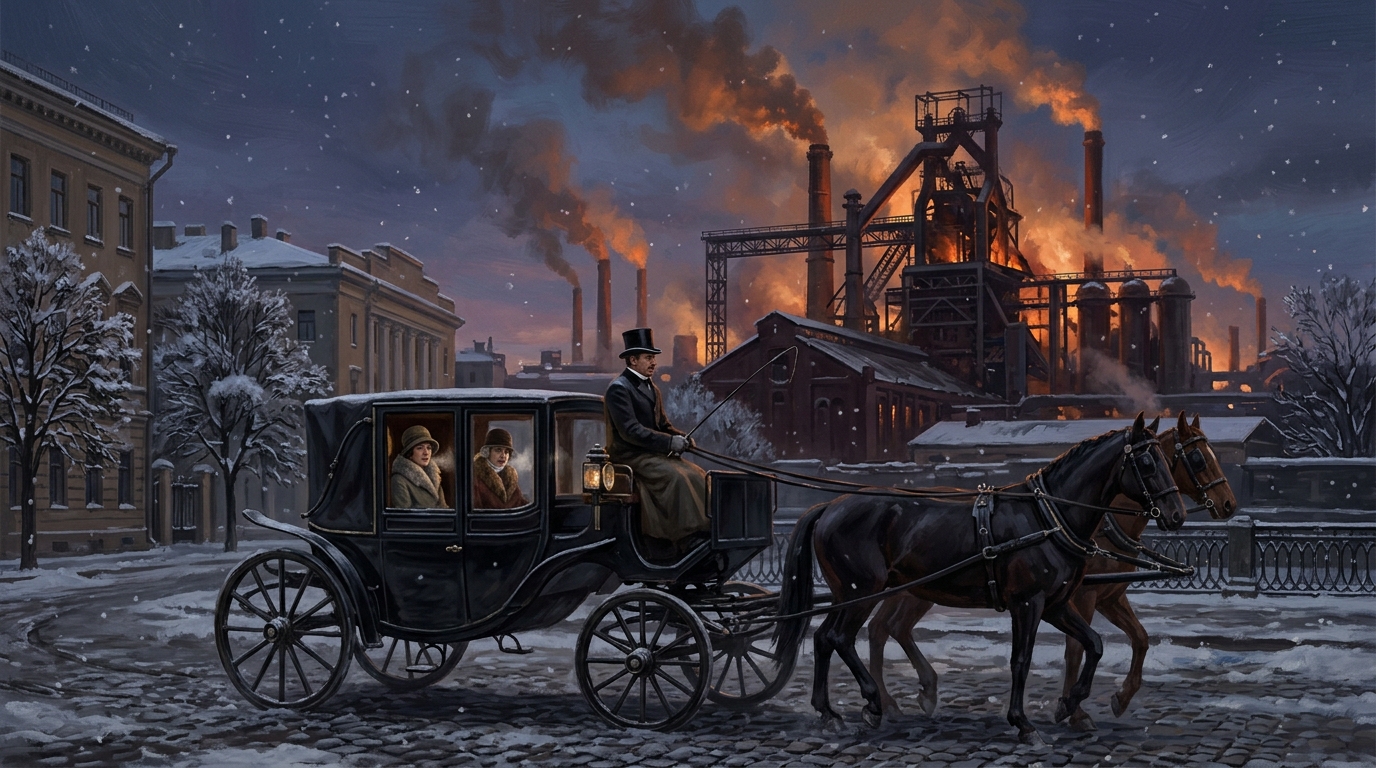
Without the catastrophic military defeats and economic starvation of a global war, the Russian Empire avoids the violent revolutions of 1917. Tsar Nicholas II clings to power, grudgingly yielding minor constitutional concessions to the Duma to quell urban strikes. Vladimir Lenin remains isolated in Zurich, his radical faction fractured, dying years later in obscurity. Yet, Russia is far from stable. It becomes a massive, creaking giant undergoing a slow, painful modernization. In St. Petersburg, aristocrats attend lavish ballets while radical labor movements organize in the freezing shadows of new steel mills. For the average Russian peasant, the era is defined not by sudden communist upheaval, but by a creeping industrial revolution managed by an autocracy that refuses to die.
The Commercial Skies
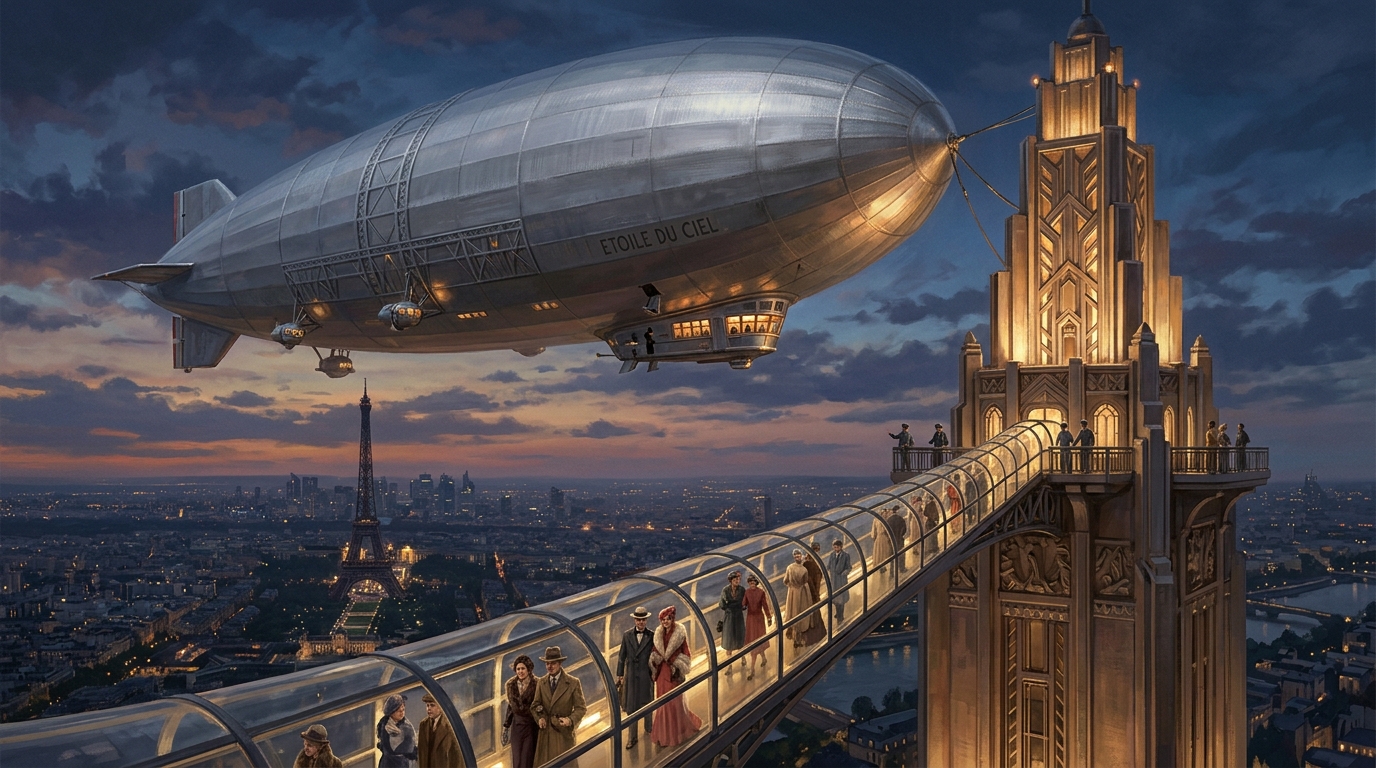
Because aviation was not rapidly accelerated by the desperate need for fighter planes, the 1920s and 30s see a different aerospace revolution. Governments heavily subsidize passenger zeppelins and grand, slow-moving luxury flying boats. A trip from London to Berlin is an opulent, leisurely affair, marketed to the lingering European aristocracy and booming industrial tycoons. In Paris, crowds gather to watch massive, silent airships dock at mooring masts atop newly built art-deco terminals. The sky is viewed not as a theater of strategic bombing, but as the ultimate extension of the ocean liner. Technology advances at a measured, civilian pace; radar is merely a maritime navigational curiosity, and the jet engine remains a scribbled theory on university chalkboards.
The Slow Death of the Sick Man
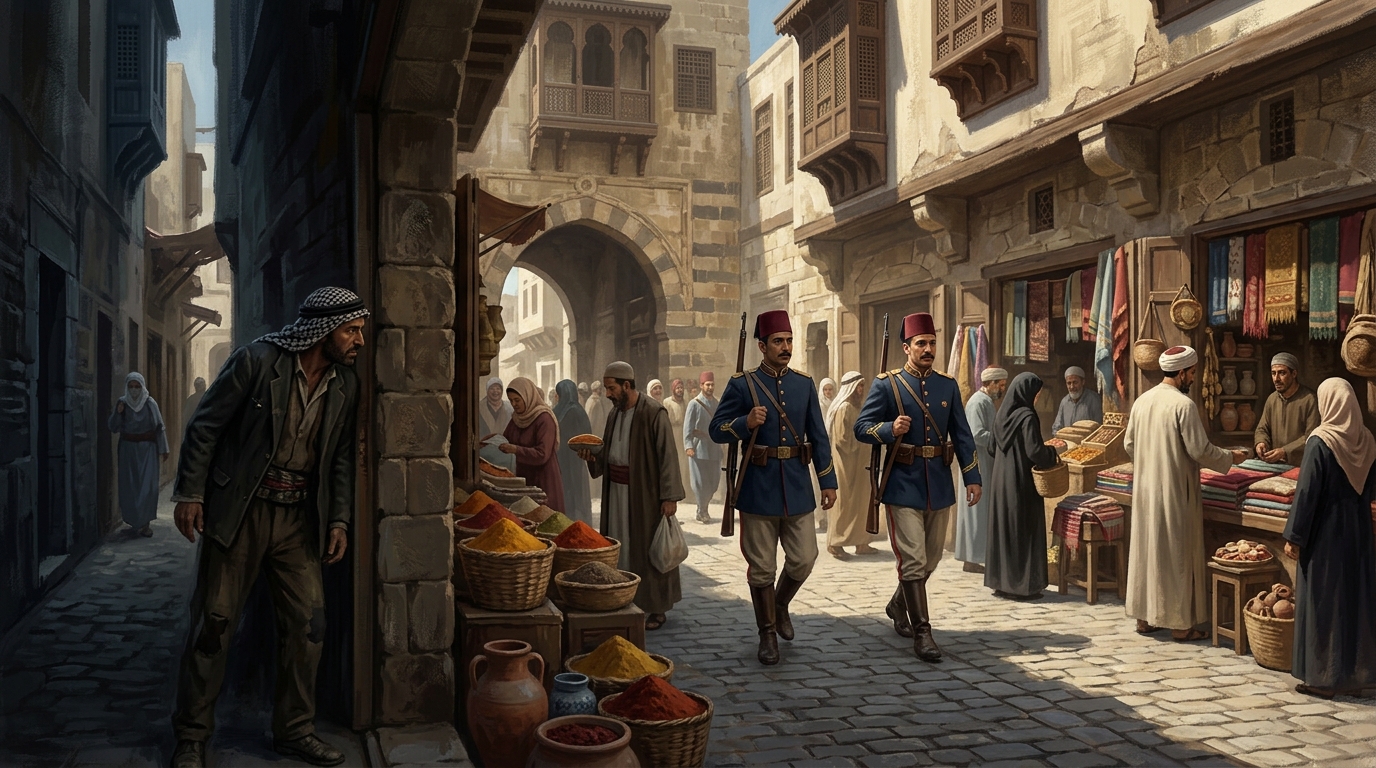
The Ottoman Empire, having avoided the sudden dismemberment of a world war, limps into the mid-twentieth century. However, the discovery of massive oil reserves in the Middle East changes the geopolitical calculus. Rather than arbitrary lines drawn by British and French diplomats, the region fractures organically through localized rebellions. Arab nationalist movements, funded secretly by Germany and Russia, wage protracted guerrilla wars against Ottoman garrisons in Damascus and Baghdad. The streets of Istanbul become a nest of international spies and desperate diplomats trying to hold the empire together. For a merchant in Beirut, life is a precarious balancing act between an aging imperial administration and passionate local revolutionaries. The Middle East takes a generation to redraw its own borders.
The Multi-Polar Cold War
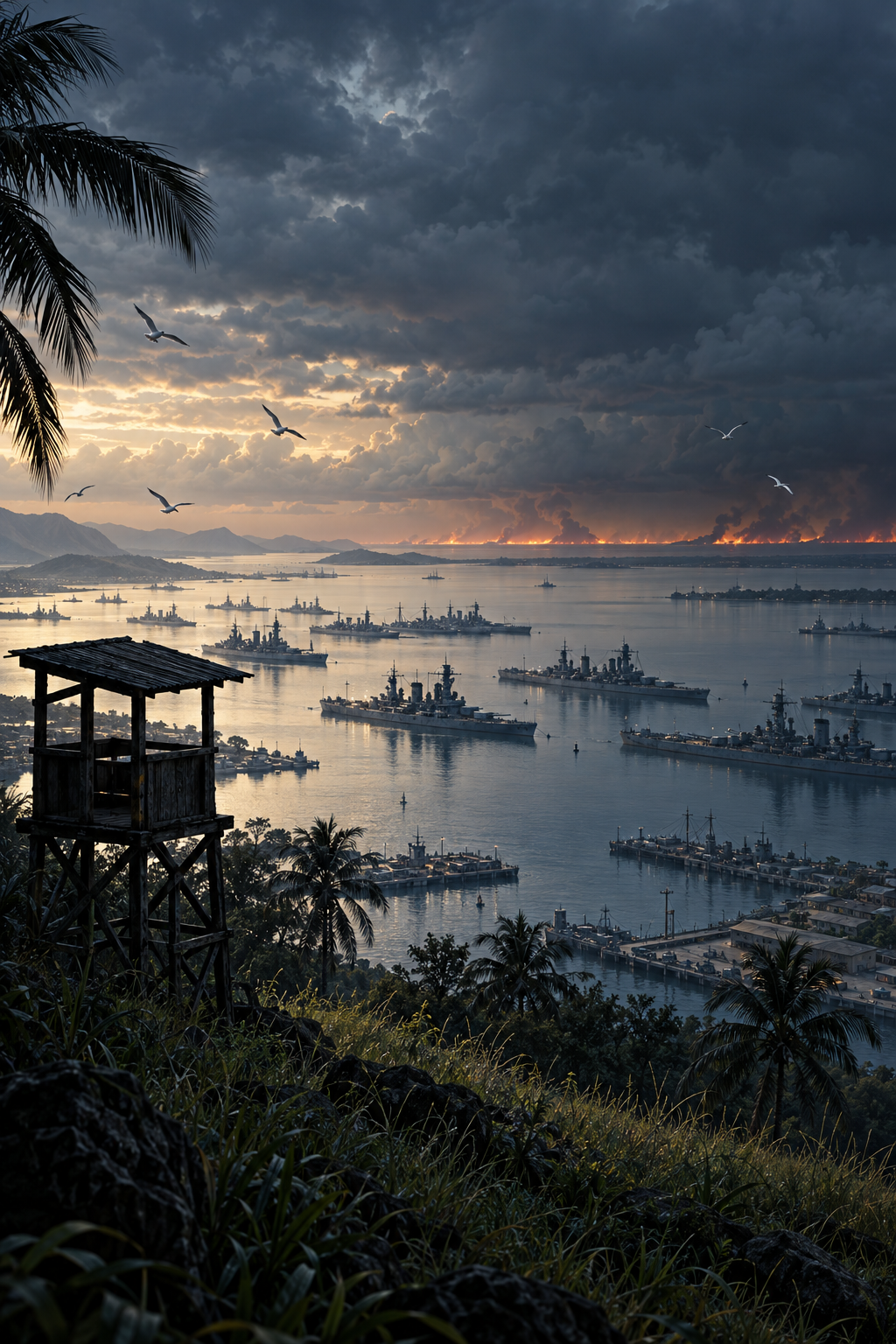
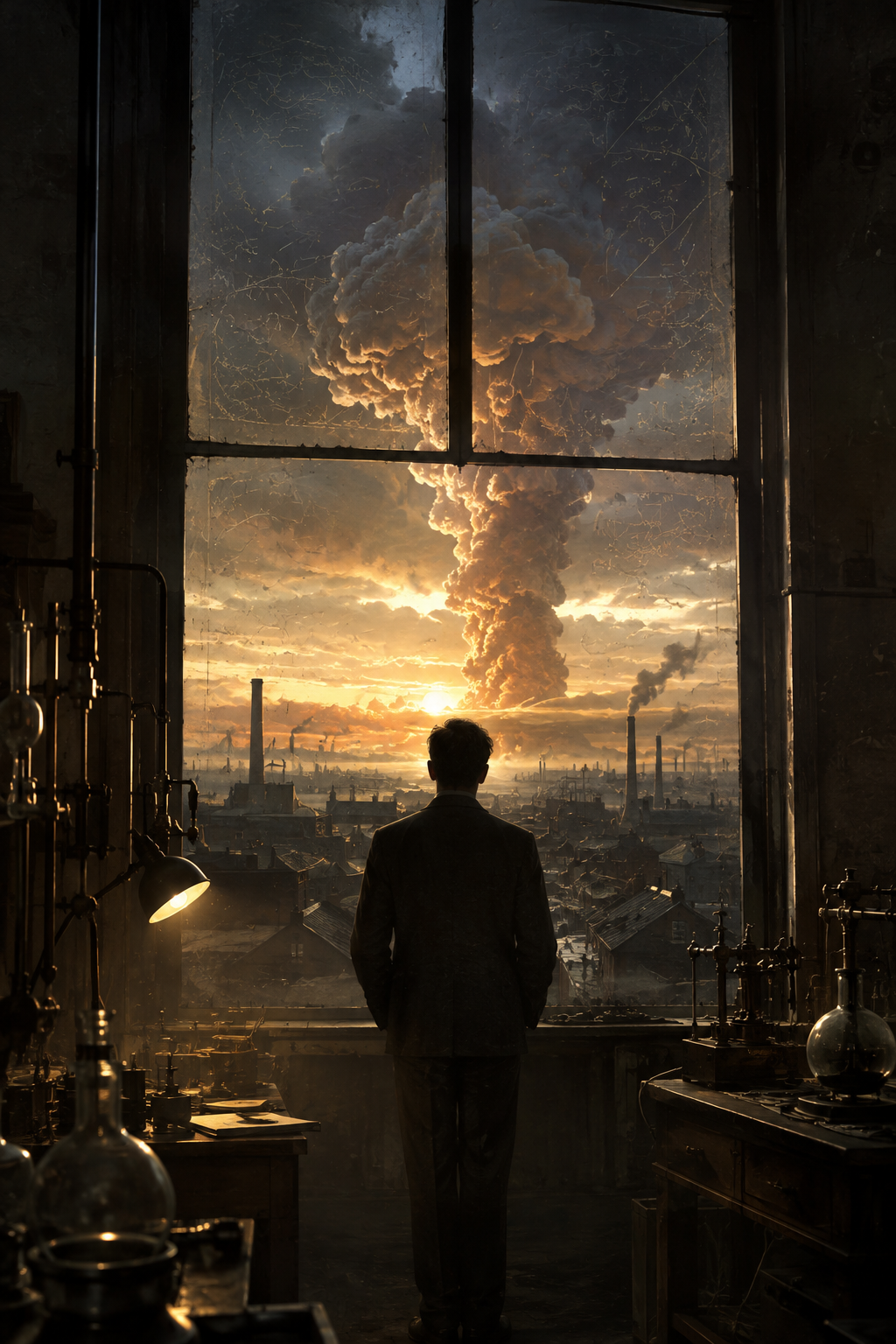
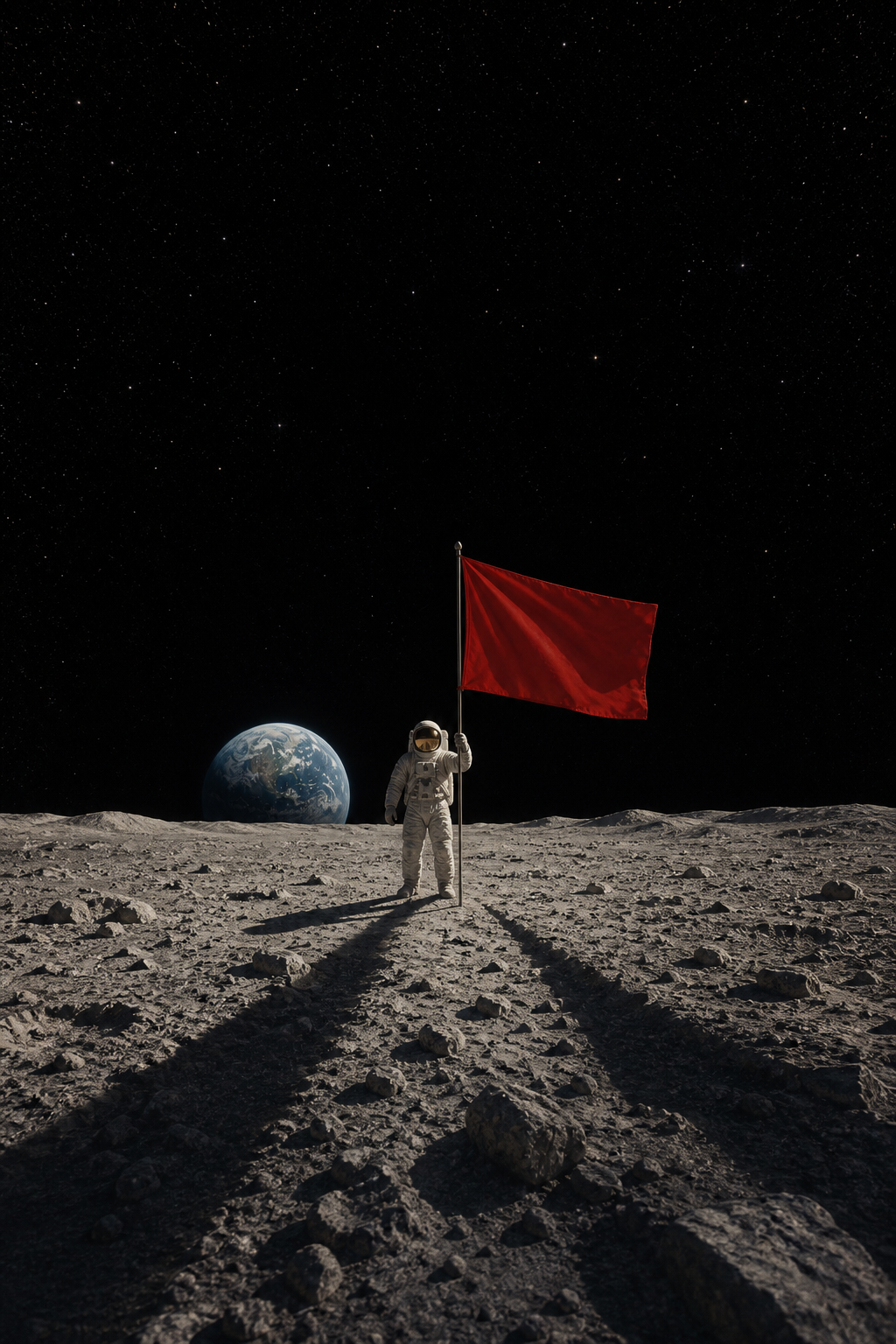
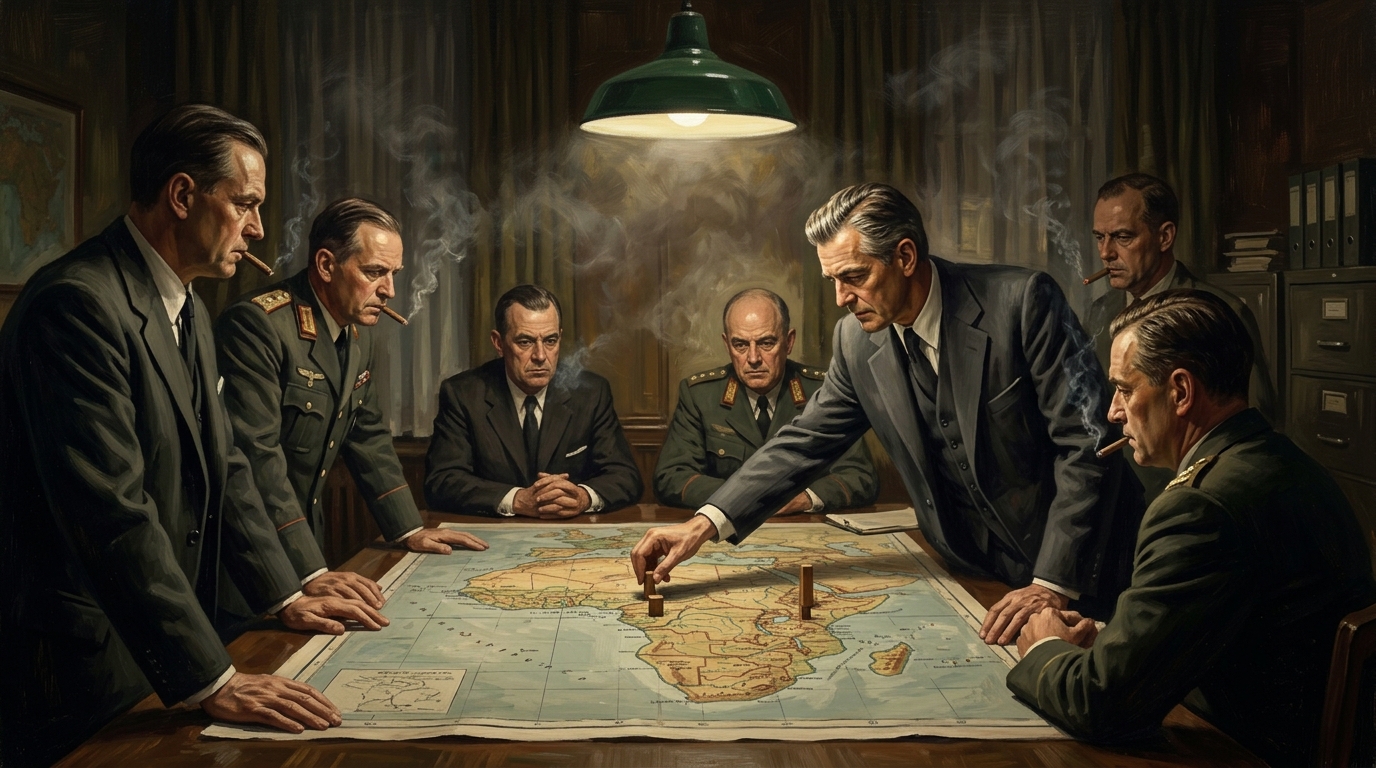
By the 1960s, a world that never fought two World Wars is dangerously overcrowded with Great Powers. Britain, France, Germany, Greater Austria, and Russia are locked in a tense global standoff. Without the mutual destruction of WWII, European treasuries are not bankrupted, and their empires remain stubbornly intact. The United States remains deeply isolationist, focusing its immense economic power strictly on the Americas. Geopolitical maneuvering takes place in the shadows—espionage, proxy skirmishes in Africa, and a fierce economic arms race. Nuclear physics advances slowly; atomic energy is explored for power generation, but without a Manhattan Project, a workable atomic bomb is only theoretical. The fear is not nuclear annihilation, but a conventional clash of unimaginable, mechanized scale.
The Unyielding Empires
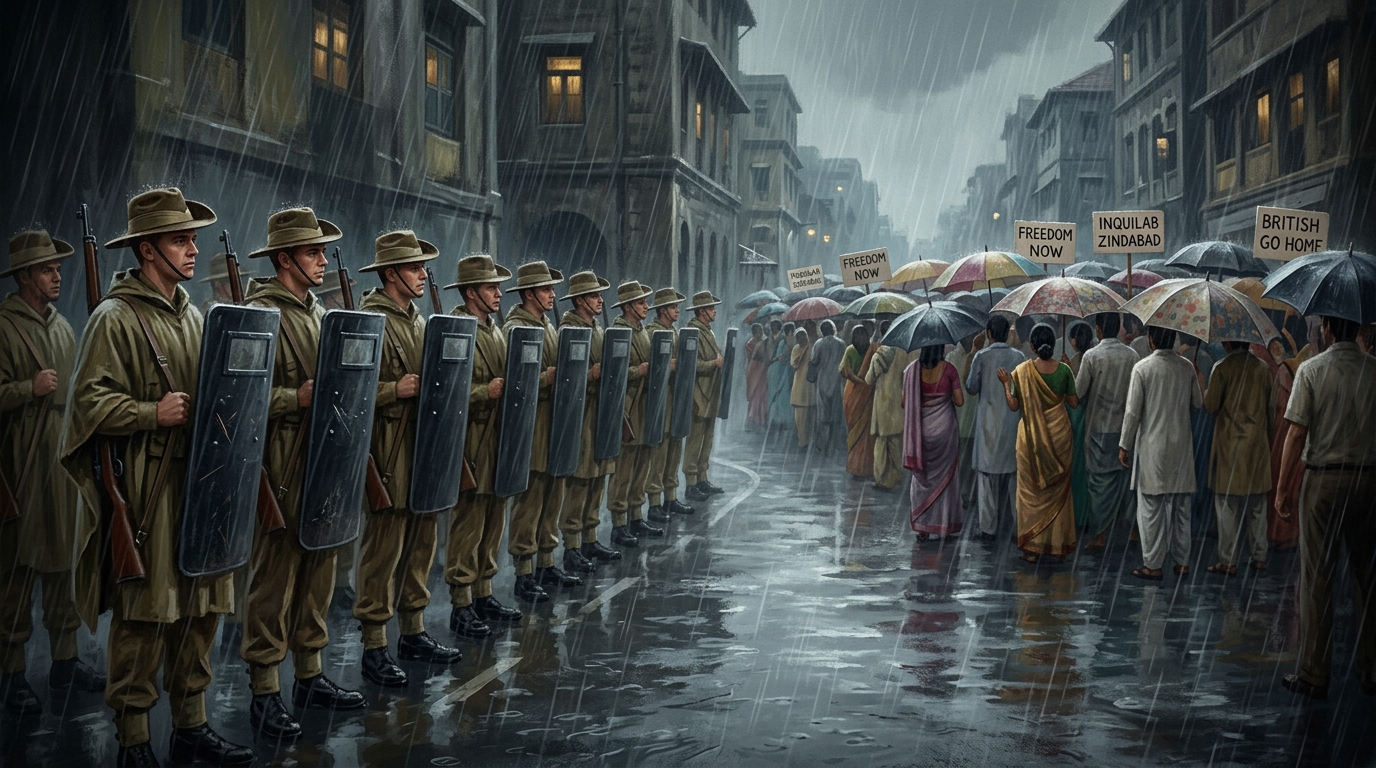
The absence of post-WWII exhaustion means European powers refuse to decolonize gracefully. In India, Africa, and Southeast Asia, the push for independence meets well-funded, fully entrenched imperial armies. The British Raj suppresses protests with sophisticated surveillance and overwhelming force. In Algiers and Nairobi, independence fighters wage bitter, multi-decade insurgencies against French and British troops who have the full backing of thriving home economies. For a student activist in Bombay, the struggle feels eternal, fought against an empire that shows no signs of financial weakness. International diplomacy is paralyzed; there is no United Nations to mediate, only a fragile web of imperial treaties. The global south suffers through a protracted, bloody era of liberation, largely ignored by comfortable European publics.
The Weight of Peace
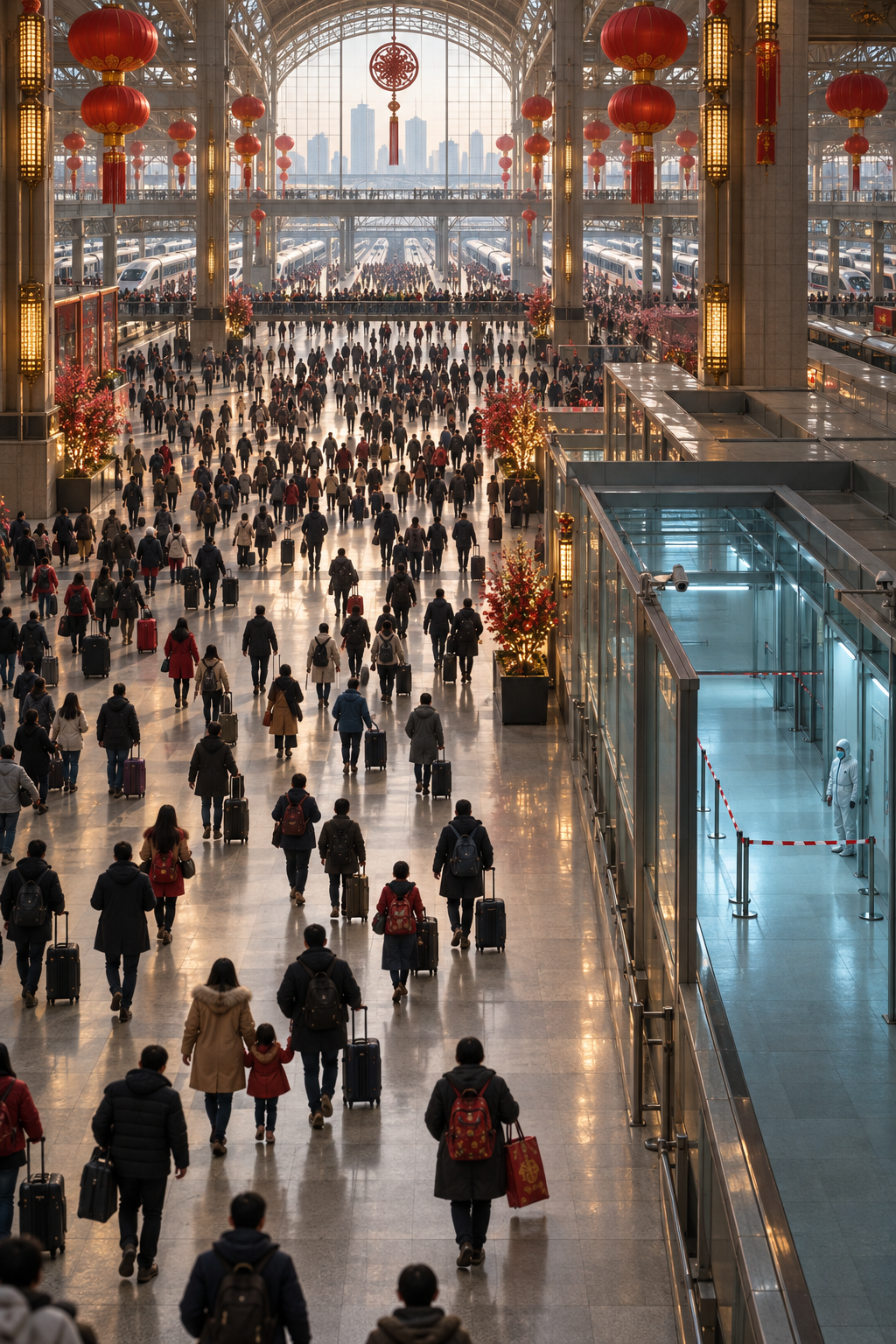
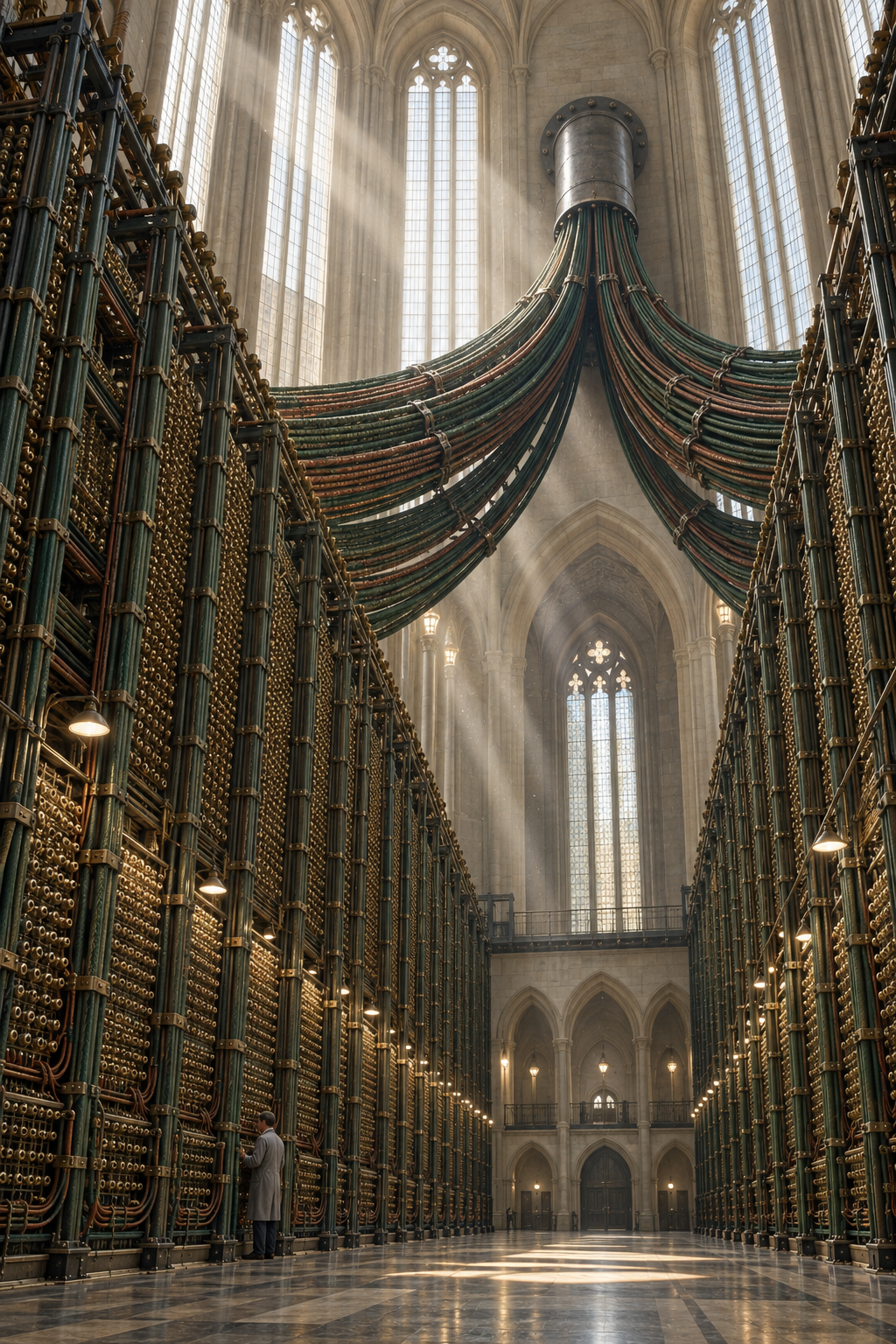
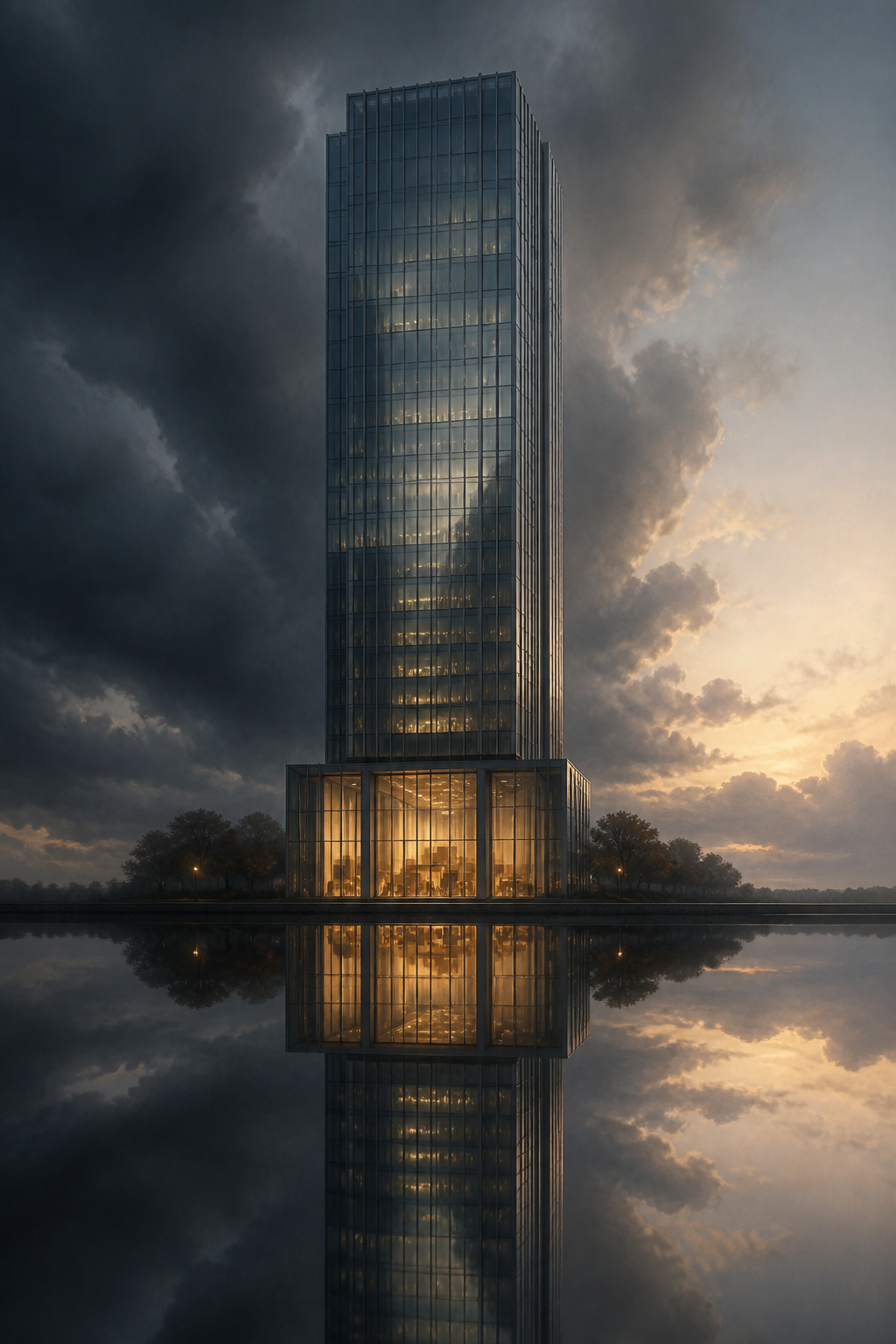
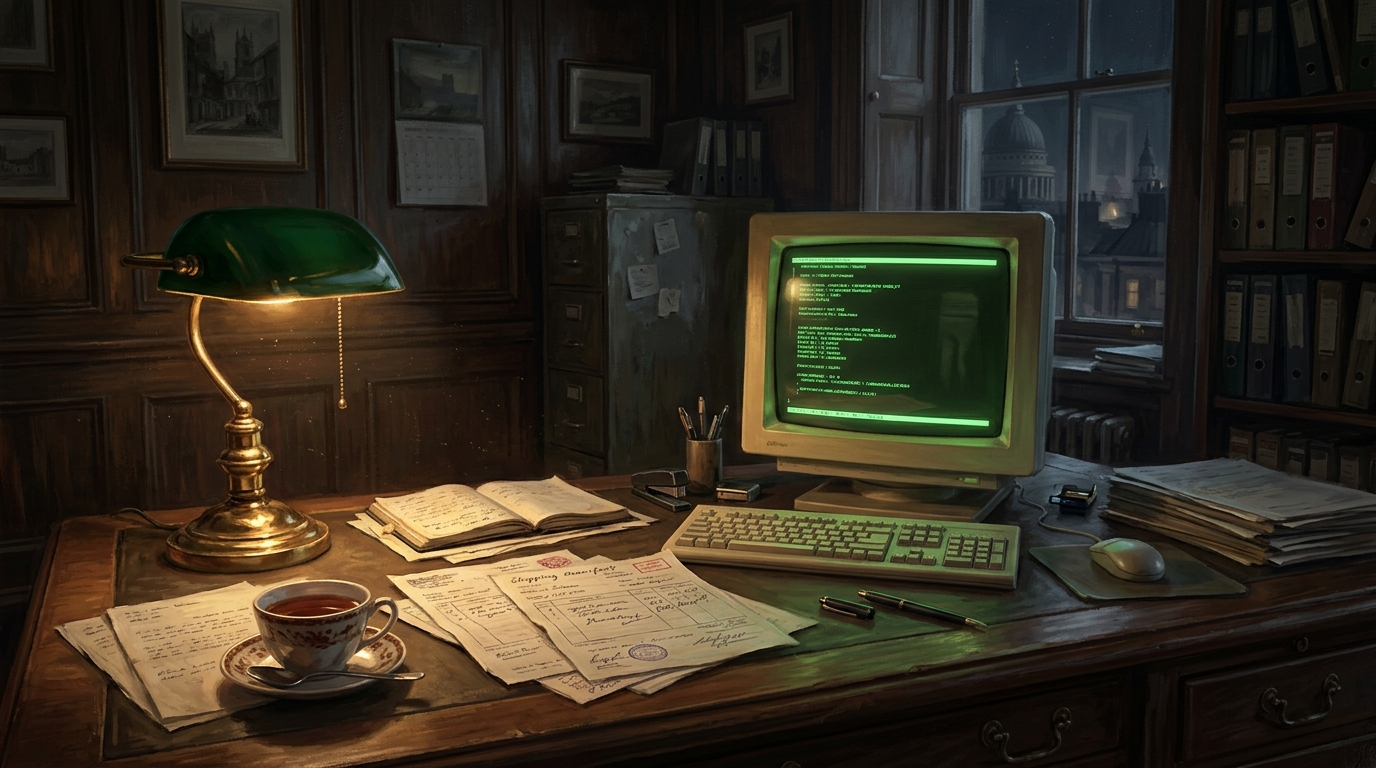
As the twentieth century draws to a close, the world is remarkably wealthy, technologically advanced, and deeply rigid. Computing and the early internet emerge, developed not by military defense networks, but by monopolistic international trading companies trying to track global shipping. The skyline of Vienna rivals New York, dominated by the bureaucratic monoliths of Greater Austria. Yet, global society is tightly stratified. The great empires have prevented global war, but at the cost of global freedom. Billions remain locked under colonial rule or autocratic monarchies. A young journalist in London, writing on a glowing phosphor monitor, reflects on the 'Long Peace.' It is a world that saved millions of lives by avoiding the trenches, but traded its soul for stability.
More from Alternate History