The Broken Taboo: The Limited Exchange of 1962
What if… Instead of being talked down, the captain of a Soviet submarine fires a nuclear torpedo at the US Navy during the Cuban Missile Crisis, triggering a localized nuclear war.

Synopsis
When a Soviet submarine fires a nuclear torpedo during the Cuban Missile Crisis, a localized nuclear exchange devastates parts of the Caribbean and Turkey. Shocked by the immediate reality of atomic destruction, the United States and the Soviet Union immediately halt hostilities, leading to an unprecedented era of rapid disarmament. The Cold War shifts from aggressive proxy conflicts to a cautious, defensive detente, fundamentally altering global politics, the space race, and environmental science as humanity unites in the shadow of its near-annihilation.
The Broken Taboo: The Limited Exchange of 1962
What if… Instead of being talked down, the captain of a Soviet submarine fires a nuclear torpedo at the US Navy during the Cuban Missile Crisis, triggering a localized nuclear war.
In October 1962, the United States and the Soviet Union stood at the brink of nuclear war over missiles stationed in Cuba. The historical climax occurred on October 27, "Black Saturday," when the US Navy dropped signaling depth charges on the Soviet submarine B-59. In reality, flotilla chief of staff Vasily Arkhipov convinced the exhausted, stressed captain not to fire a ten-kiloton nuclear torpedo. But in this timeline, Arkhipov is confined to his quarters with severe radiation sickness from an earlier reactor incident. Without his moderating voice, Captain Valentin Savitsky, believing war has already begun, authorizes the launch. The torpedo strikes the USS Beale, triggering a localized nuclear detonation in the Sargasso Sea and irreversibly altering the trajectory of the twentieth century.
The Sargasso Flash
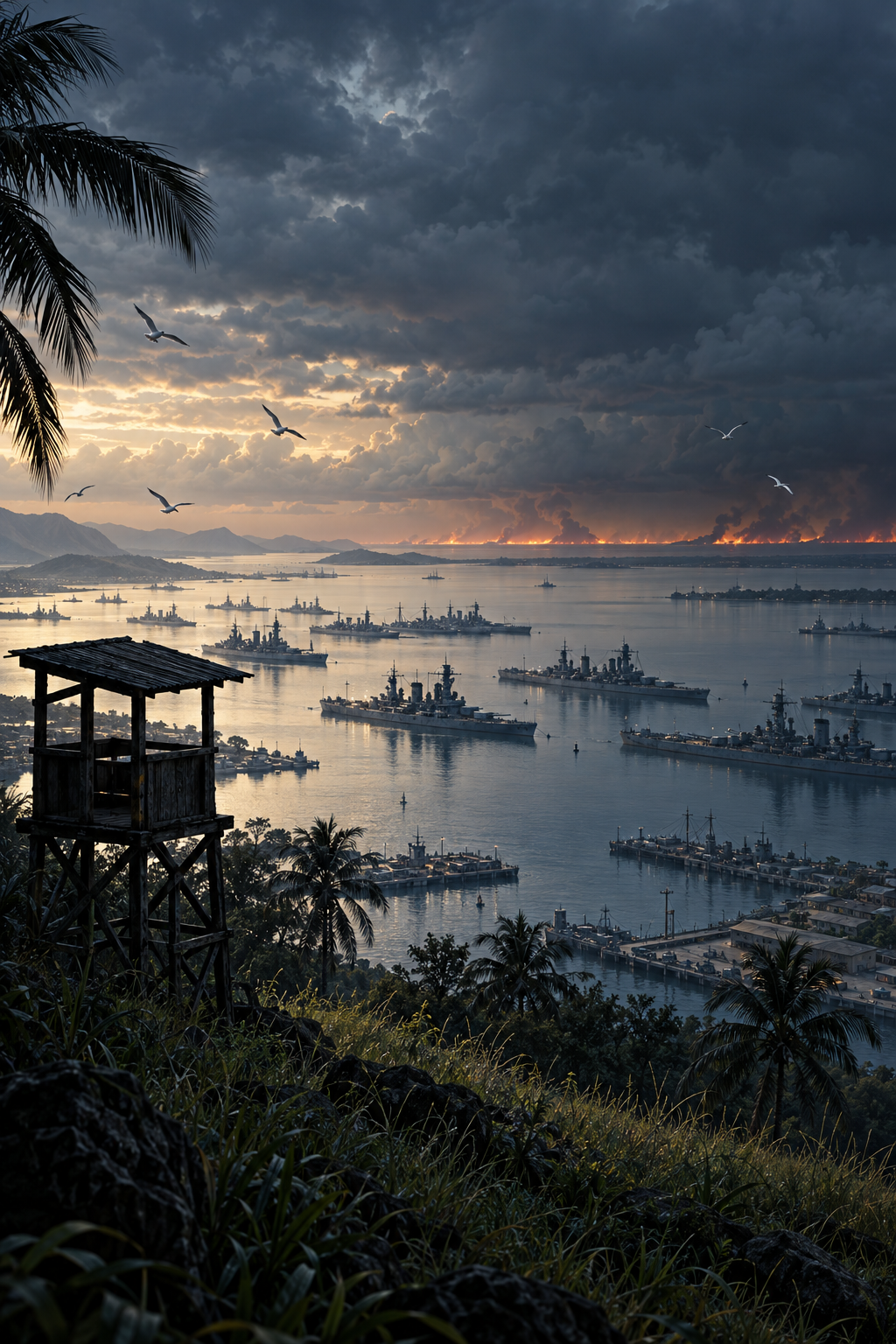
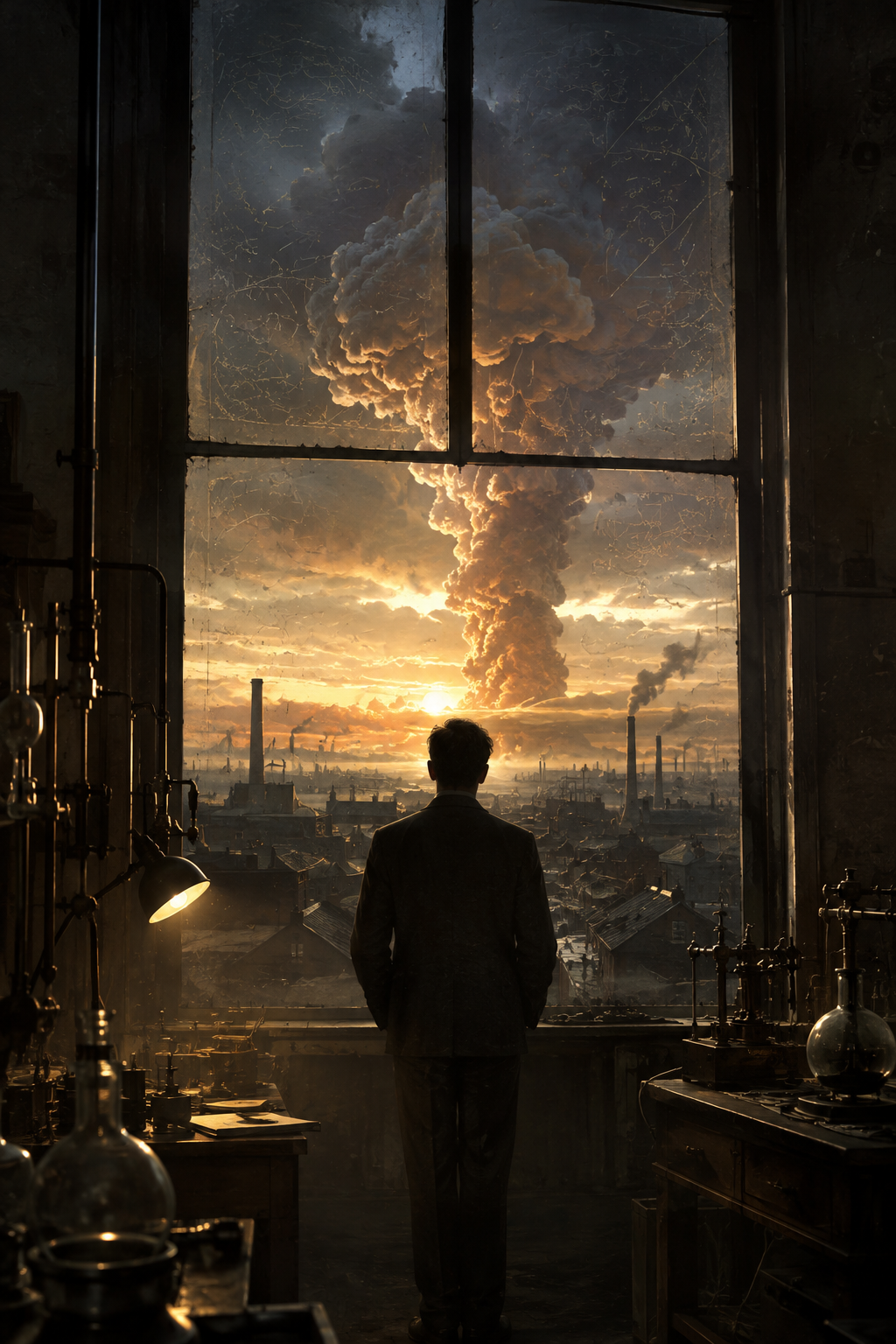
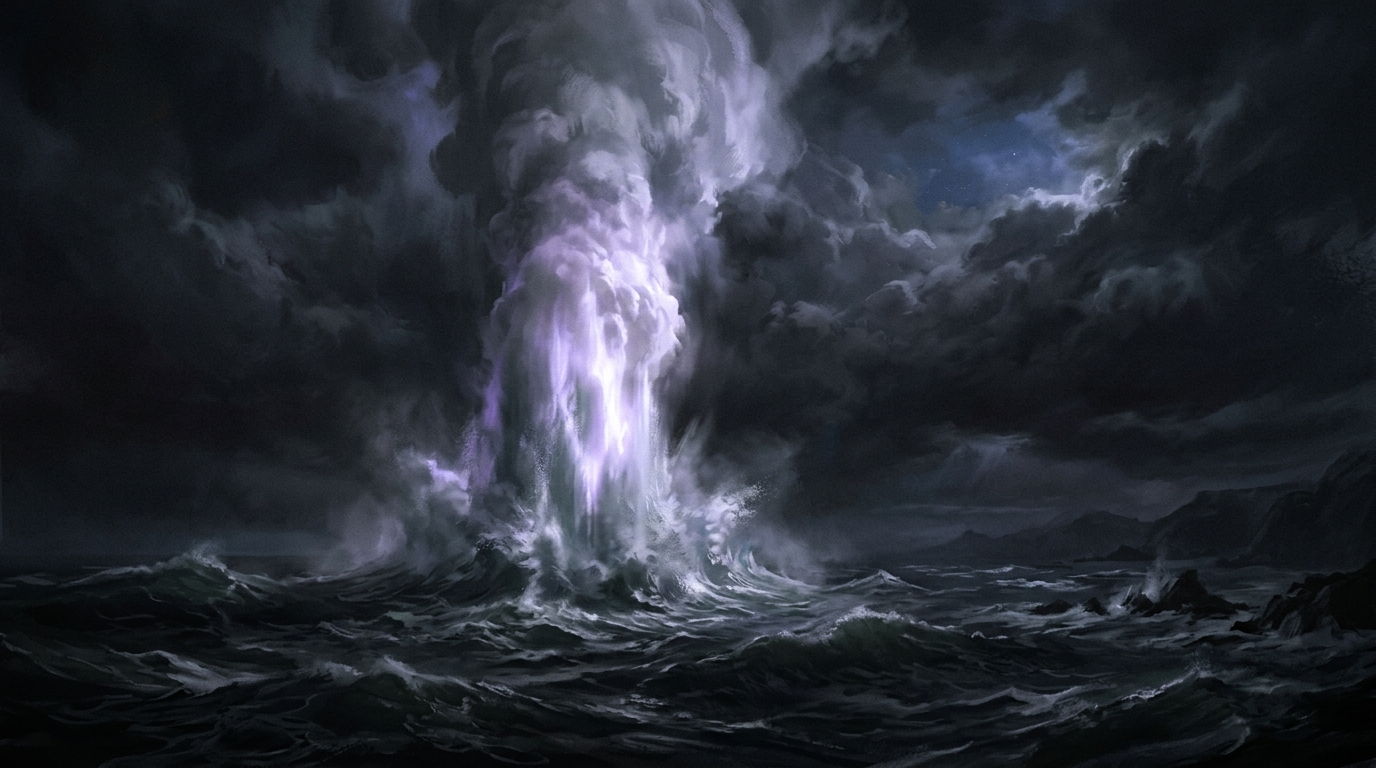
On the evening of October 27, 1962, the horizon off the coast of Cuba erupts in an unnatural, blinding second sunrise. The ten-kiloton torpedo from Soviet submarine B-59 annihilates the USS Beale and severely damages the aircraft carrier USS Randolph. A towering plume of radioactive steam climbs into the stratosphere. In Washington, the Pentagon descends into chaos as initial reports of a missing destroyer turn into confirmation of a nuclear detonation. President John F. Kennedy is rushed to the White House bunker. The Joint Chiefs demand a full, immediate nuclear strike against the Soviet homeland. Kennedy, staring down the reality of human extinction, refuses to authorize a general launch, instead ordering a limited tactical strike strictly confined to Soviet missile sites within Cuba.
The Turkish Trade-Off
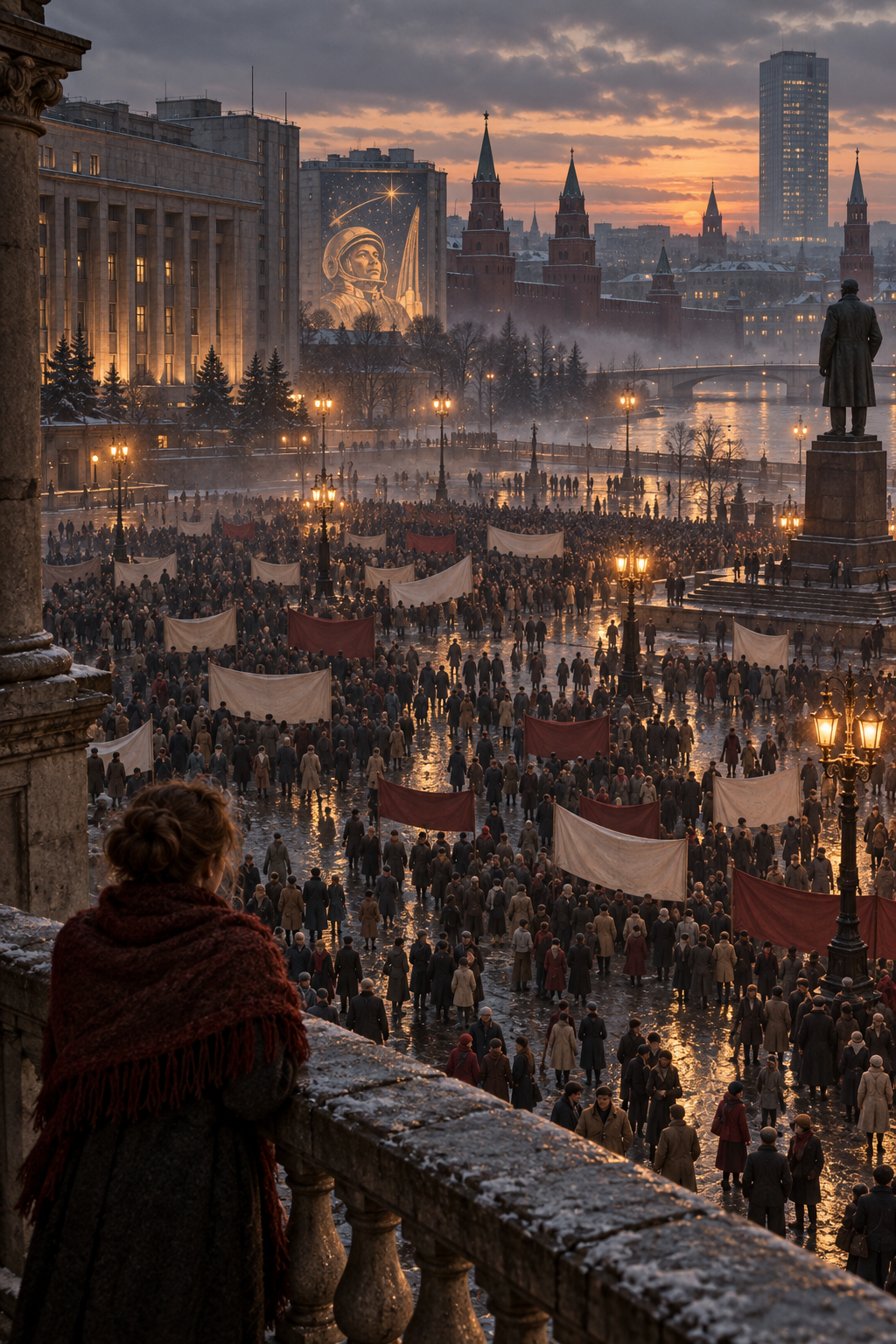
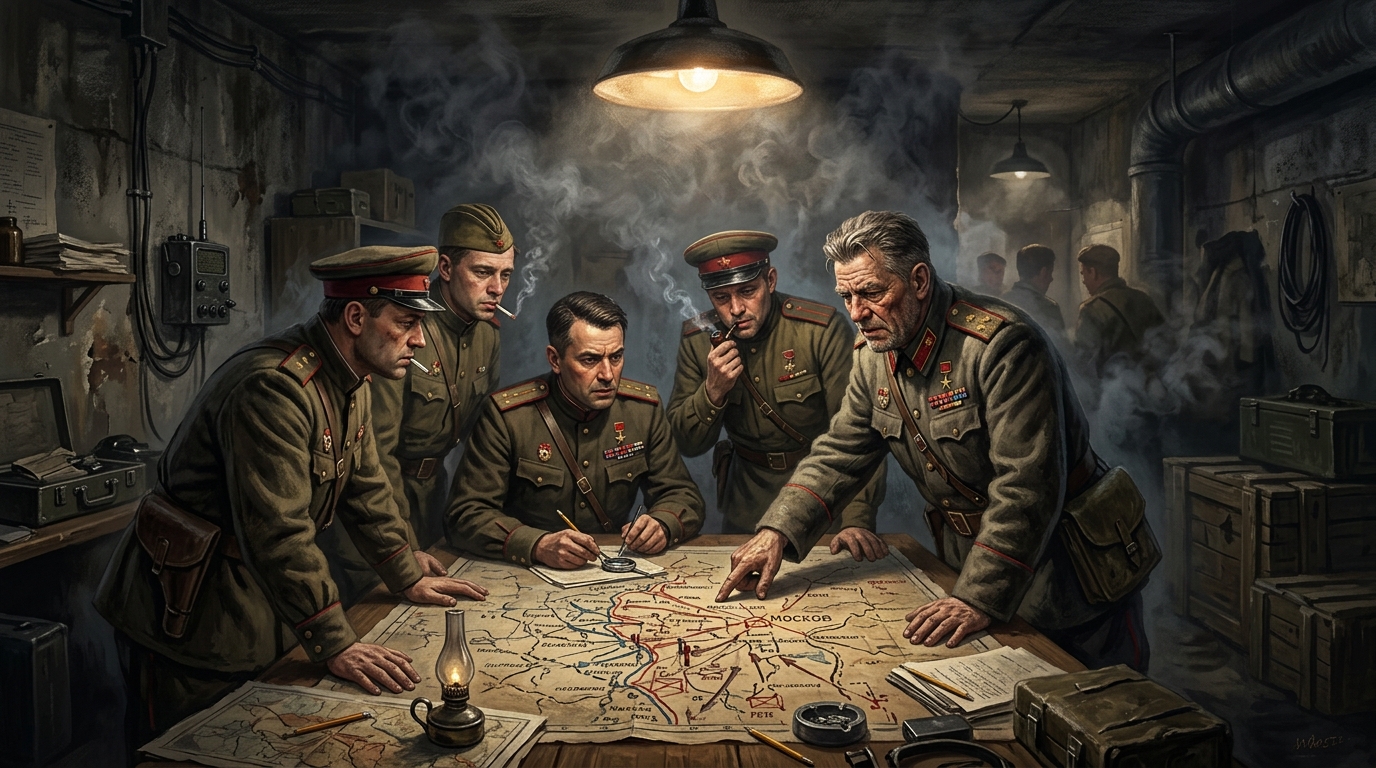
Within hours of the American strikes on Cuban missile sites, Soviet Premier Nikita Khrushchev faces his own military hardliners in Moscow. Believing the Americans are preparing for a full-scale invasion of the Soviet Union, the Presidium demands retaliation. Terrified of global annihilation but needing to project strength, Khrushchev orders a symmetrical response: a limited tactical strike against American Jupiter intermediate-range ballistic missile bases in Izmir, Turkey. On October 28, two Soviet mid-range missiles detonate over the Turkish countryside. The dual shockwaves of Cuba and Turkey paralyze the globe. Both superpowers have now bled, and millions of civilians bunker in their basements, waiting for the air raid sirens to signal the end of the world. Instead, the red telephones ring.
The Hotline Truce
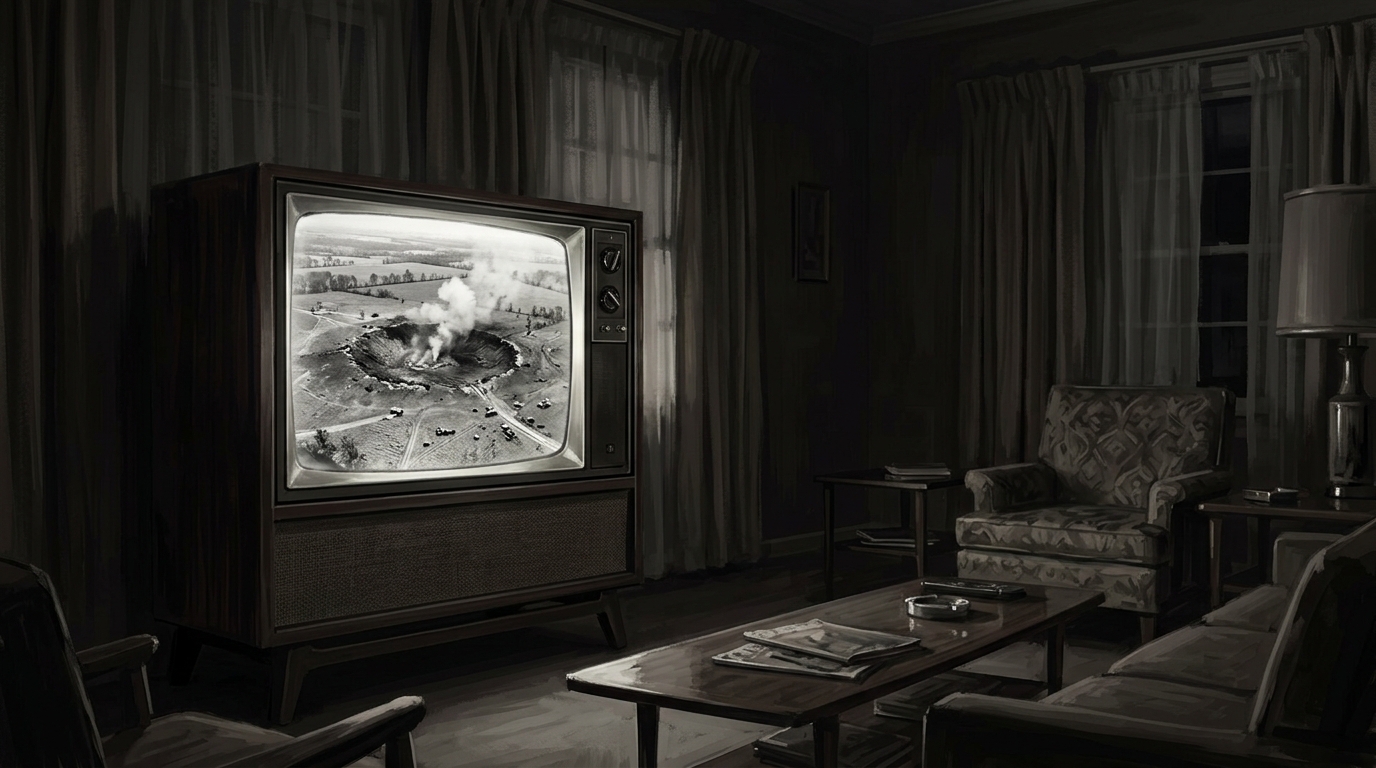
The anticipated rain of intercontinental ballistic missiles never comes. Battered by the sheer psychological terror of what they have unleashed, Kennedy and Khrushchev bypass their generals. Speaking through emergency lines, they agree to an immediate, unconditional ceasefire on October 29. The "Limited Exchange" leaves roughly thirty thousand dead between the naval casualties, the Cuban base personnel, and the Turkish civilians caught in the blast radius. But the psychological toll is immeasurable. The absolute taboo of the nuclear age has been broken. Across the world, television broadcasts show endless loops of the irradiated craters in Turkey and the burning wreckage in the Caribbean. A profound, global trauma takes root, replacing the patriotic fervor of the Cold War with a paralyzing grief.
The Geneva Accords of 1963
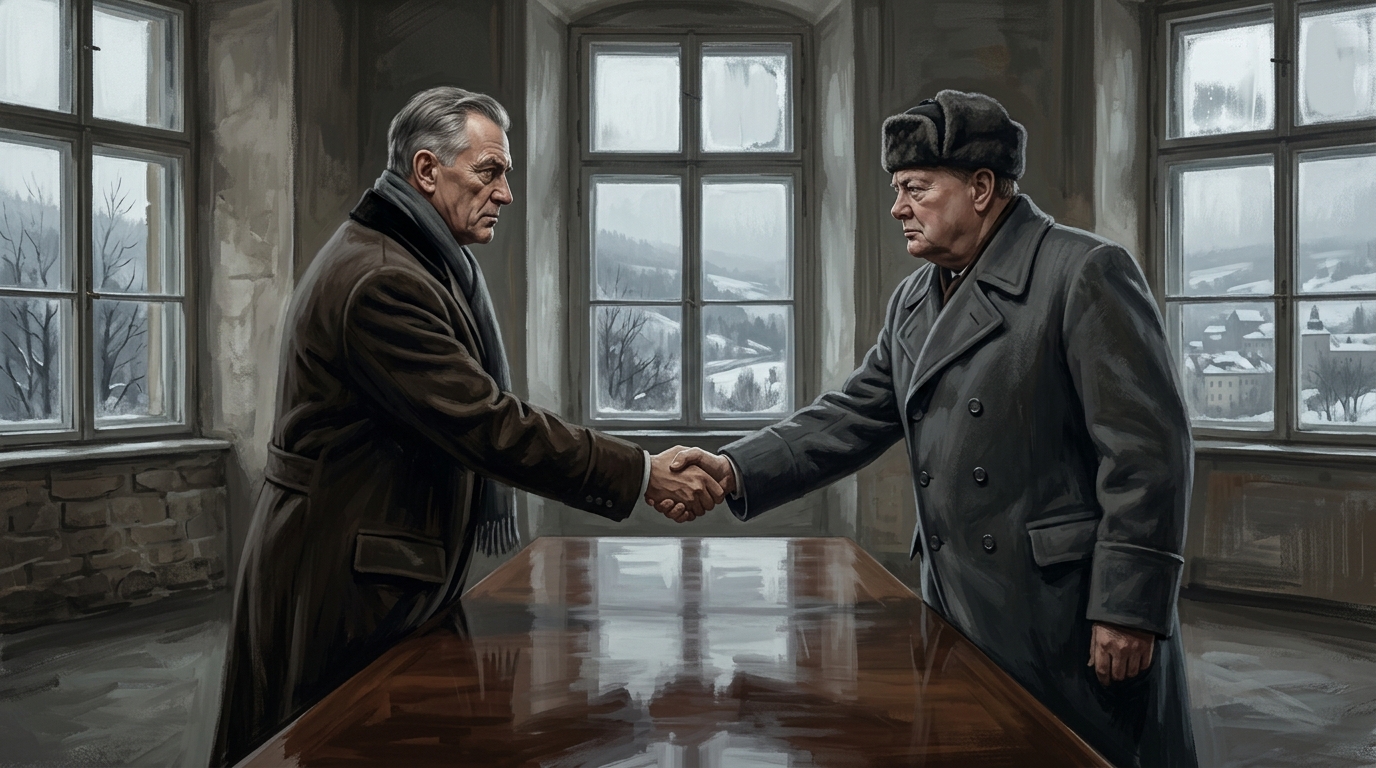
Driven by a terrified public and the raw memory of October, the United States and the Soviet Union meet in Switzerland in early 1963. The ideological posturing of the 1950s is entirely absent. Kennedy and Khrushchev, both politically wounded but viewed as leaders who ultimately stepped back from the abyss, sign the Treaty of Comprehensive De-escalation. The agreement mandates the immediate dismantling of fifty percent of all nuclear stockpiles and the total withdrawal of nuclear weapons from foreign soil. The military-industrial complexes in both nations attempt to push back, but public fury is absolute. The Iron Curtain remains, but the aggressive proxy wars that would have defined the latter half of the twentieth century are abandoned. The fear of another spark is simply too great.
The Exclusion Zones
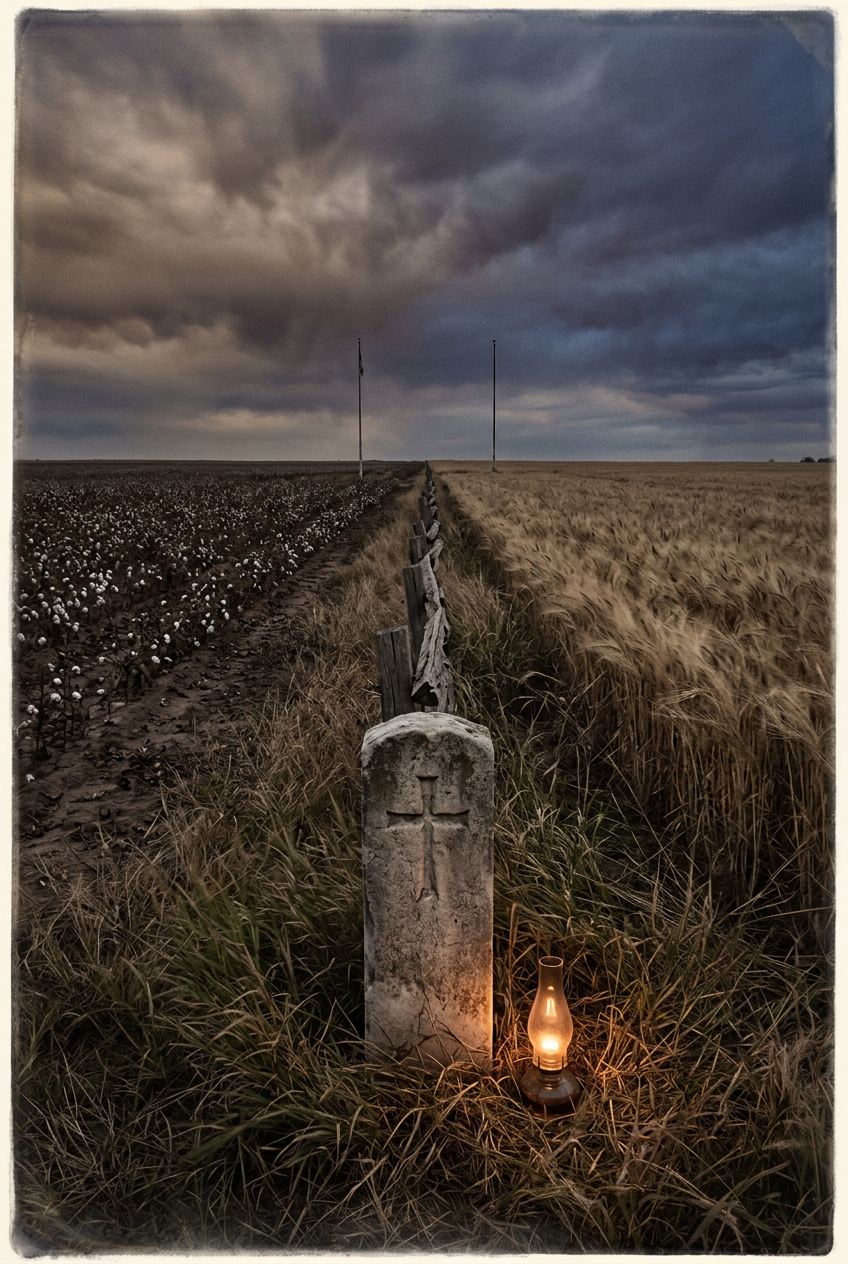
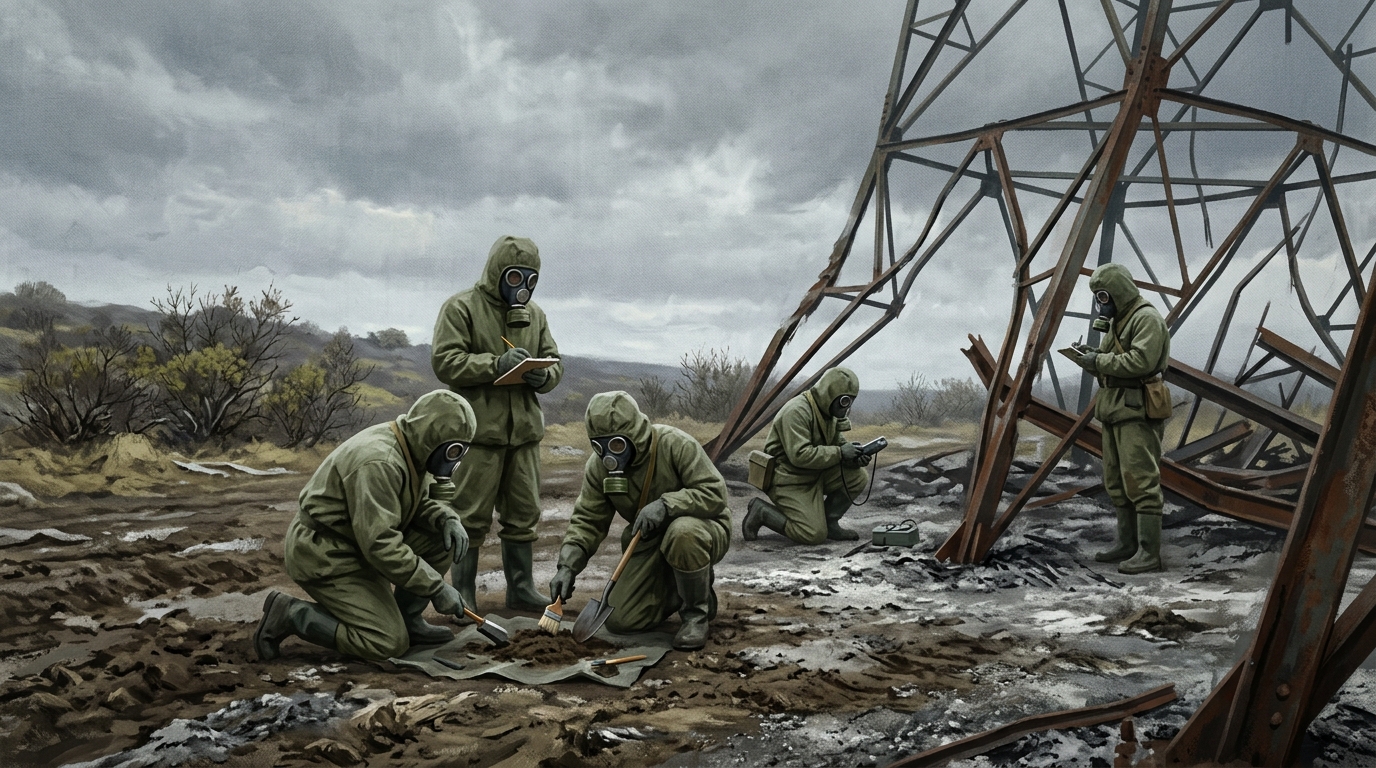
By 1965, the environmental and human realities of the limited exchange are impossible to ignore. The United Nations establishes international Exclusion Zones in western Cuba and the Izmir province of Turkey. Scientists from both sides of the Iron Curtain collaborate for the first time, studying radiation sickness, soil contamination, and ecological recovery. These zones become somber monuments to the fragility of civilization. In the United States, regular winds carrying trace radiation into southern Florida prompt massive evacuations, reshaping American demographics and creating a permanent, physical reminder of the Cold War's cost. The shared effort to contain the fallout inadvertently bridges scientific communities, laying the groundwork for international environmental agencies decades earlier than in our timeline.
The Anti-War Ascendancy
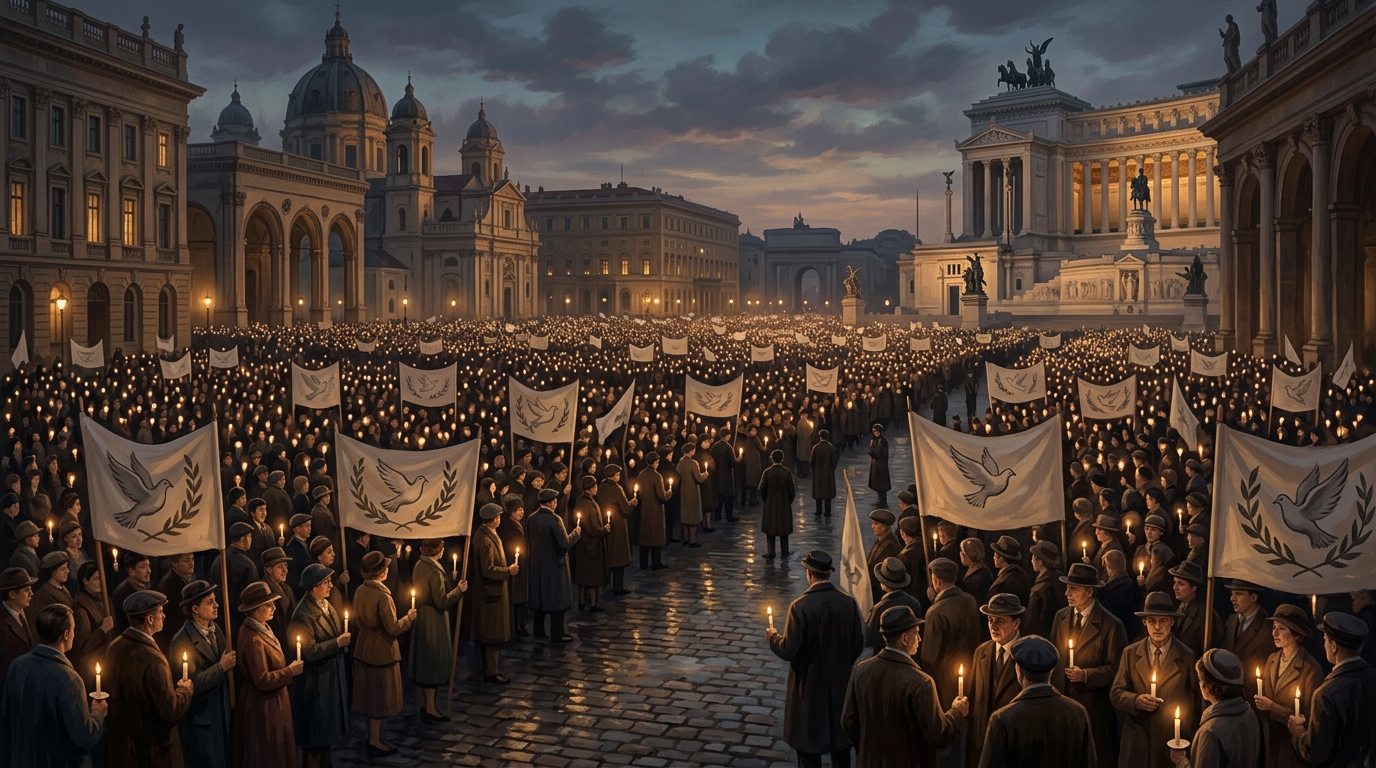
The late 1960s see a radical transformation of global domestic politics. The traditional "hawks" of the American and Soviet establishments are thoroughly disgraced, blamed for pushing the world to the brink of hell. In the US, the 1968 election is dominated not by civil unrest over a Vietnam War—which never escalates, as the US refuses to engage in foreign military adventures—but by aggressive disarmament platforms. An overwhelmingly pacifist Congress slashes the defense budget to fund domestic infrastructure and medical research. In the Soviet Union, hardliners are systematically sidelined by a new generation of technocrats prioritizing economic stability and agricultural reform over military expansion. The global counterculture movement is less rebellious and more deeply mournful, defined by a culture of absolute pacifism.
The Orbital Watchtowers
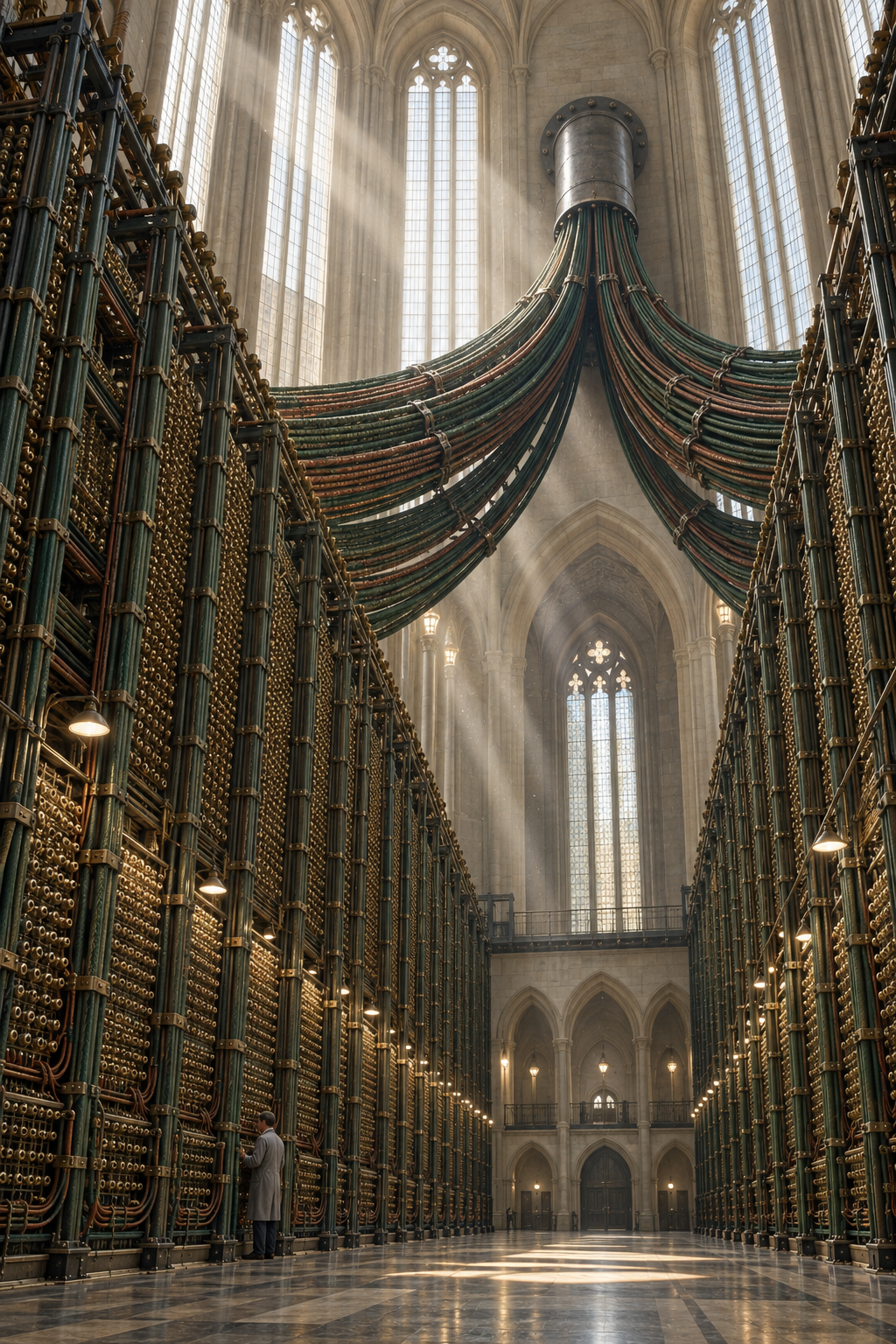
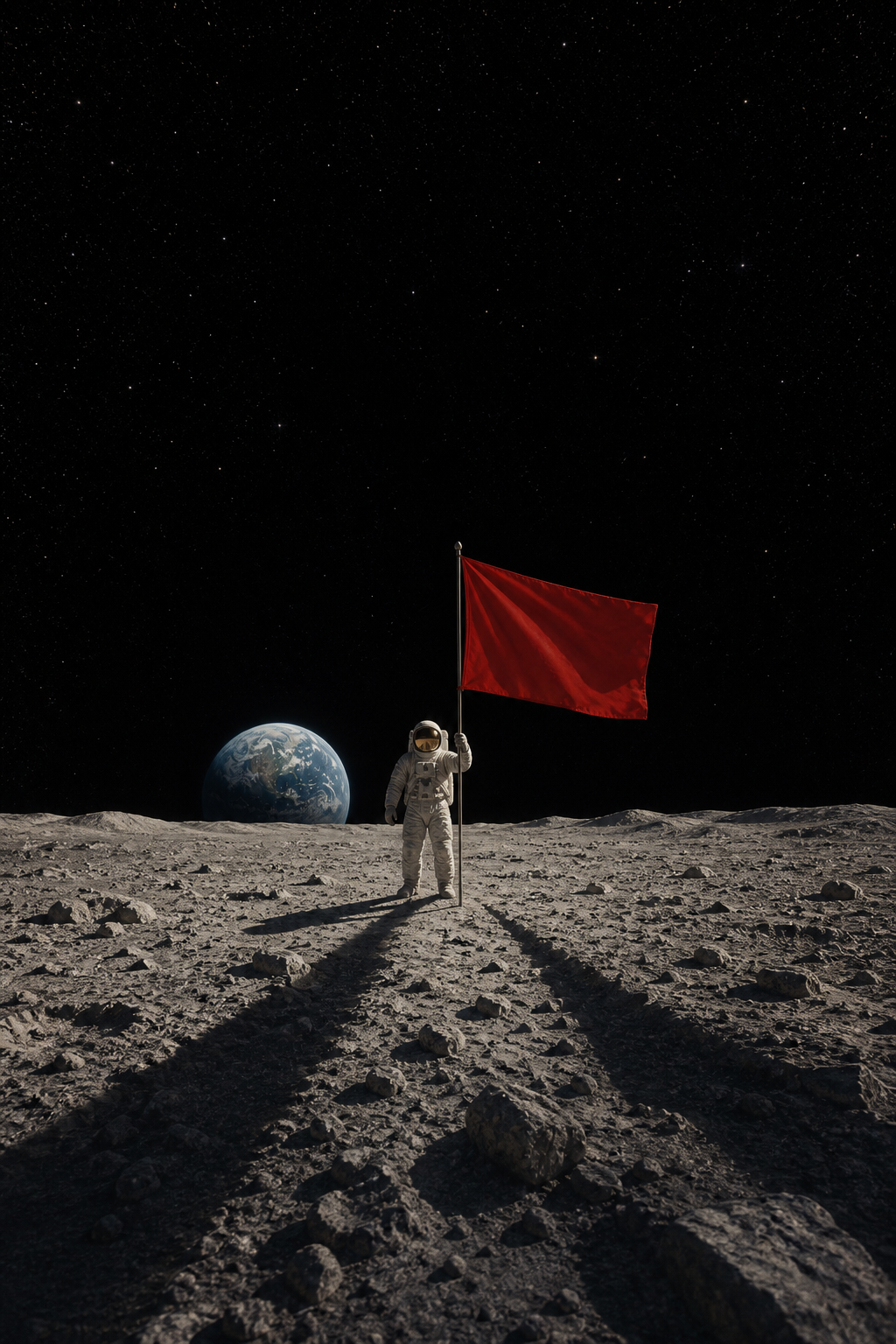
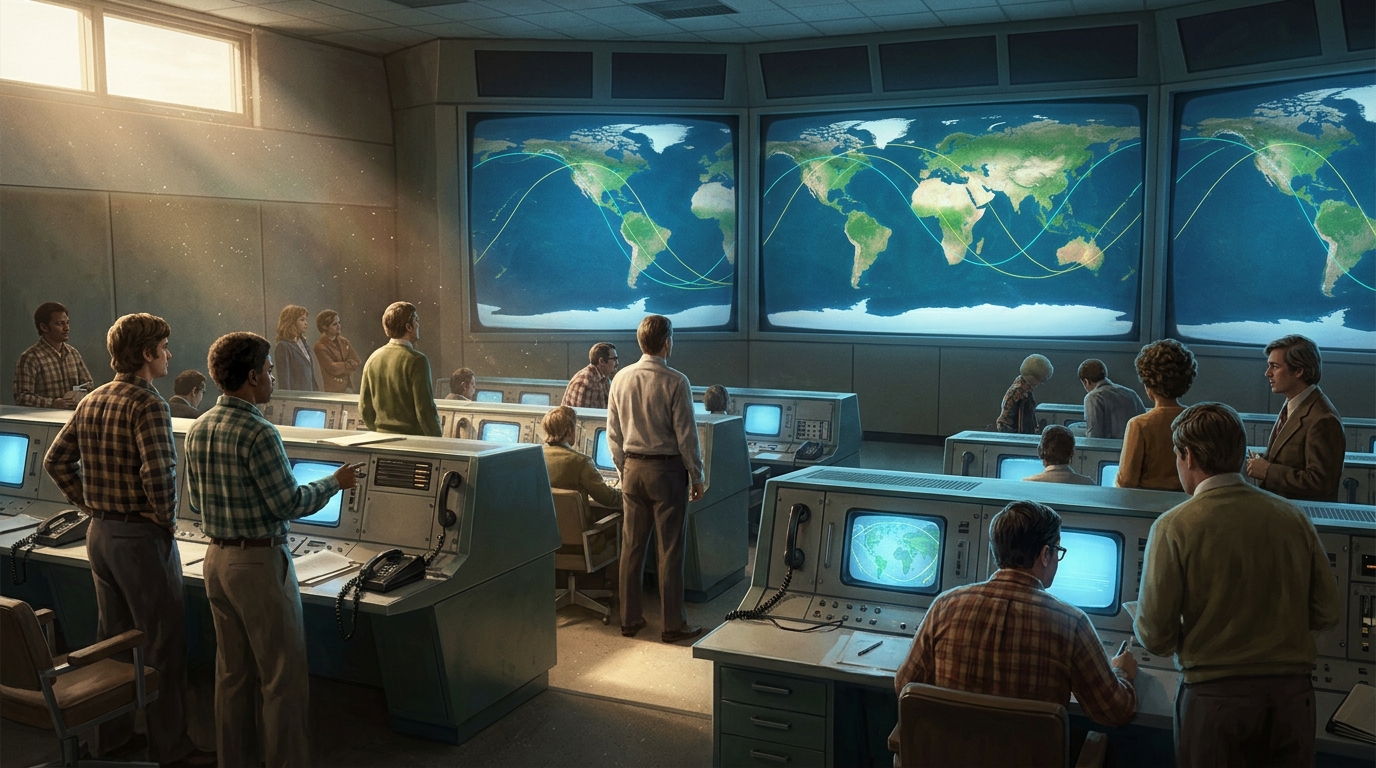
With ground-based proxy wars deemed too risky, superpower competition shifts entirely to space, but with a strictly defensive posture. In 1975, the US and USSR jointly launch the "Argus Network," a constellation of early-warning satellites designed to detect unauthorized missile launches by rogue states or splinter factions. This unprecedented joint venture requires Soviet and American engineers to work side-by-side in mission control centers in Vienna. The space race focuses less on lunar landings and more on planetary defense and orbital surveillance. The technological boom of the era is driven by detection, global communication, and environmental monitoring rather than weapons delivery systems. Humanity points its most advanced technology back at the Earth, terrified of itself.
A Scarred Millennium
The year 2000 dawns on a world that is quieter, more cautious, and highly interconnected. There are fewer than five hundred nuclear weapons left on Earth, all locked under dual-key international oversight. The Cuban and Turkish exclusion zones have been partially reclaimed by nature, serving as highly restricted wildlife reserves and global memorials. The memory of 1962 is treated with the same solemn, universal reverence as the great tragedies of the Second World War. Schoolchildren across the globe are taught the names of the ships sunk in the Sargasso Sea and the villages vaporized in Turkey. Humanity survived its adolescence, but it bears the permanent, aching scars of the lesson. The future is built not on triumph, but on mutual survival.

More from Alternate History