The Baku Imperative
What if… The Nazis repel the Soviet encirclement at Stalingrad, securing the Caucasus oil fields and shifting the entire strategic balance of World War II.
Synopsis
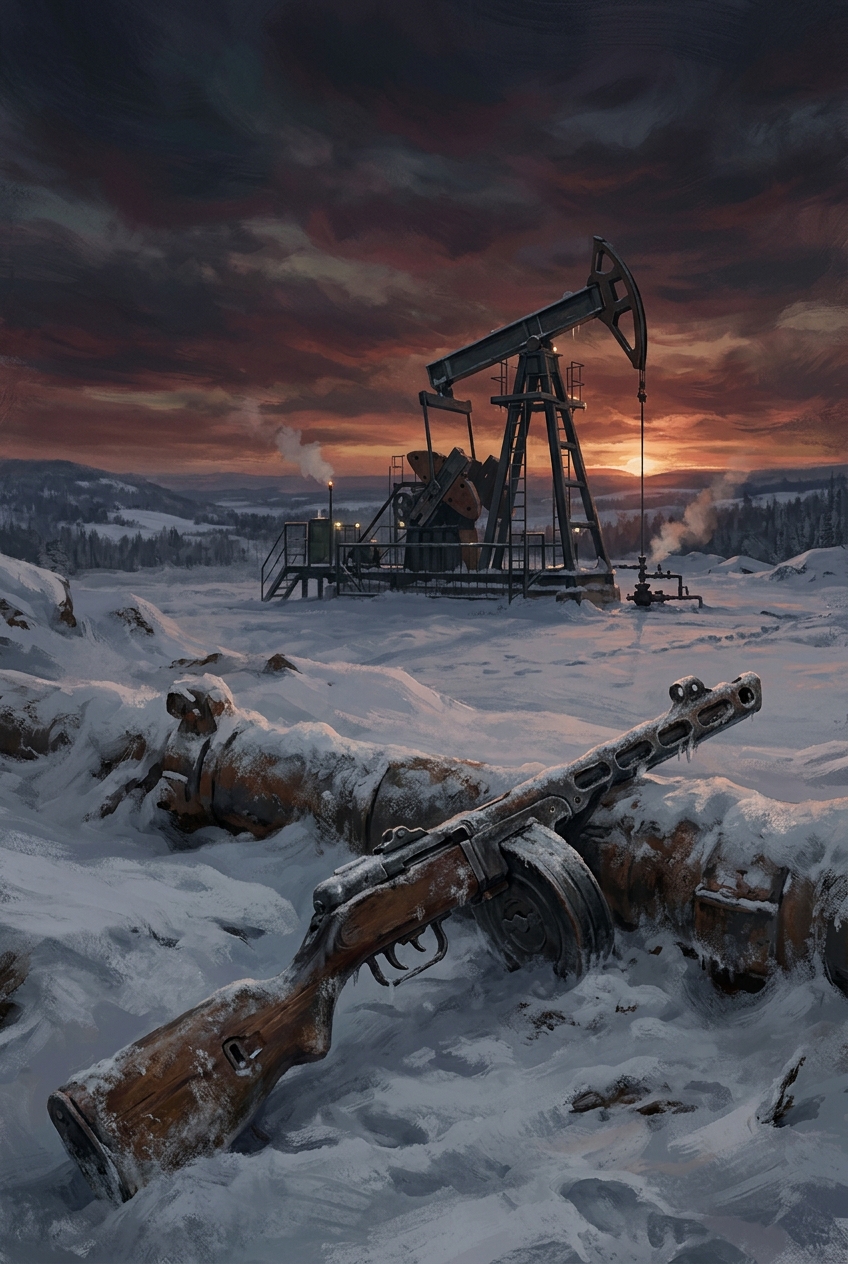
With the Soviet counter-offensive broken, the German 6th Army captures Stalingrad and severs the Volga River. Free to advance south, Germany secures the vital Baku oil fields, curing their chronic fuel shortages. A crippled Soviet Union retreats to the Urals, forcing a grinding partisan war. Flush with resources and veterans, the Wehrmacht heavily fortifies Western Europe, causing the Allies to delay the D-Day invasions. As the conventional land war stagnates into a bloody stalemate in Italy, the United States pivots its strategy entirely to the Manhattan Project. In August 1945, atomic bombs are dropped on Germany rather than Japan, forcing a sudden Nazi collapse and sparking a radically different, highly unstable Cold War.
The Baku Imperative
What if… The Nazis repel the Soviet encirclement at Stalingrad, securing the Caucasus oil fields and shifting the entire strategic balance of World War II.
In late 1942, the German 6th Army became bogged down in the brutal urban combat of Stalingrad. Historically, Soviet forces launched Operation Uranus in November, exploiting weakly defended Axis flanks to encircle and destroy the German army, permanently turning the tide of the war. In this timeline, unseasonably clear skies allow Luftwaffe reconnaissance to detect the massive Soviet buildup on the steppe. Forewarned, General Friedrich Paulus shifts his hardened German panzer divisions to reinforce the vulnerable Romanian and Hungarian flanks. When the Soviet pincers strike, they are met with concentrated armor and shattered. With the encirclement foiled, Stalingrad finally falls. The Volga River is severed, and the path to the vital oil fields of the Caucasus is thrown wide open, fundamentally altering the trajectory of the Second World War.
The Pincers Broken
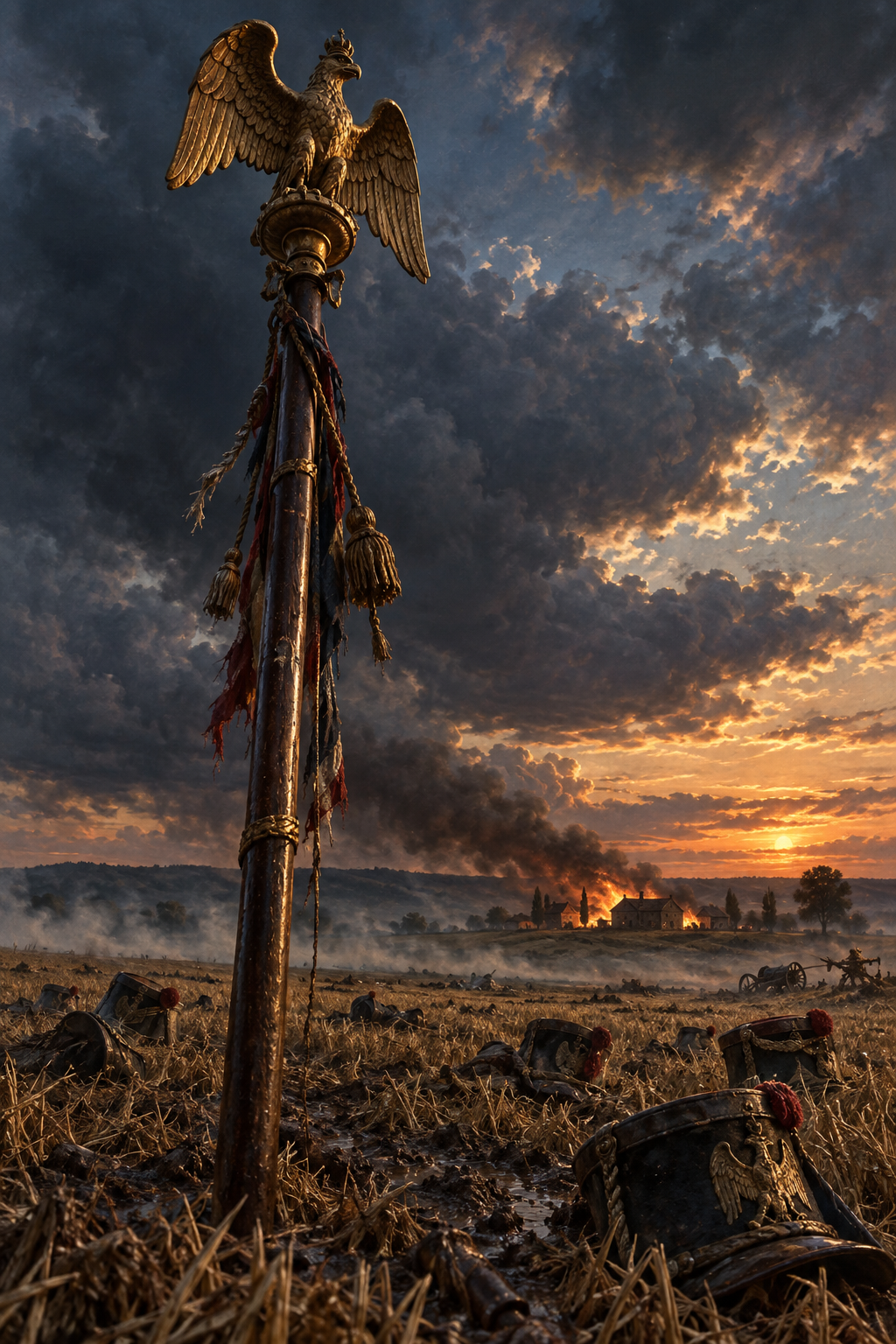
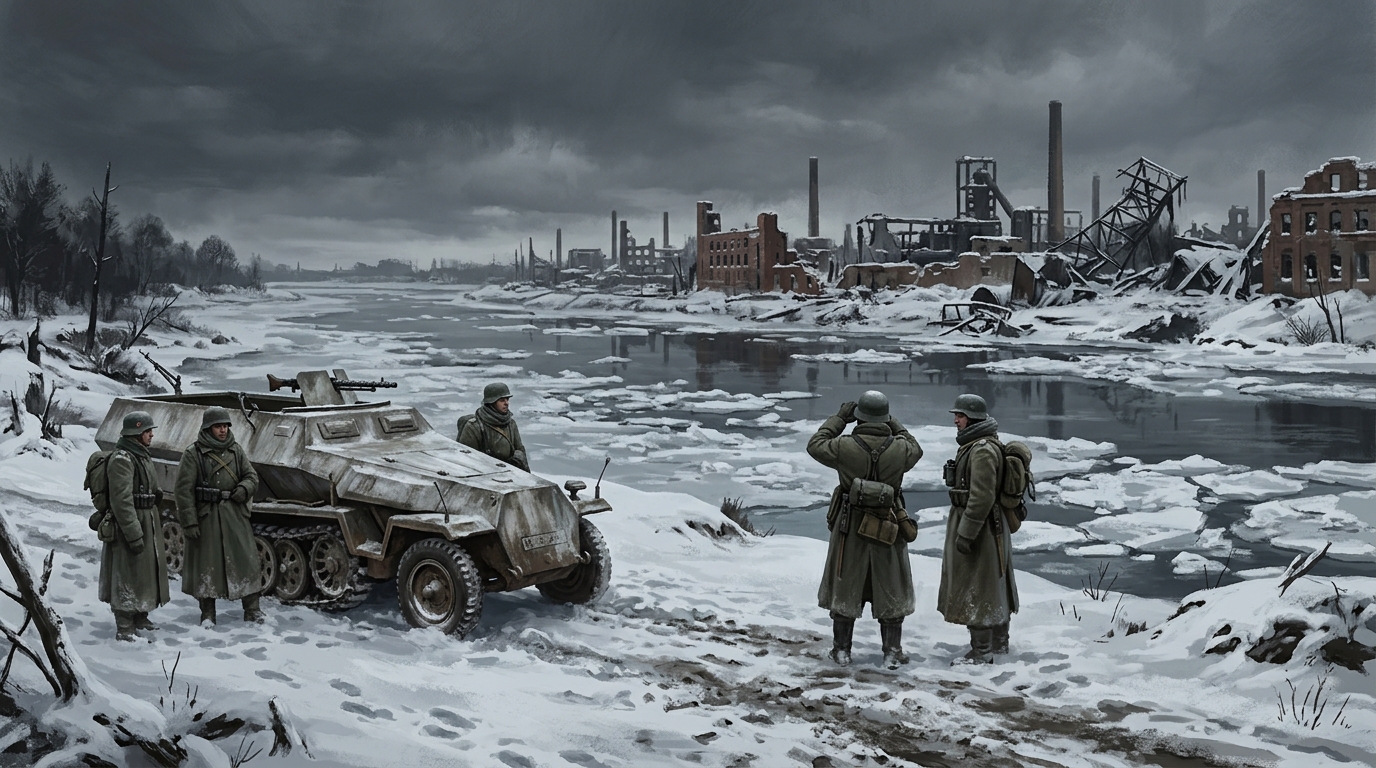
After the failure of Operation Uranus, the exhausted defenders of the Red Army find themselves trapped against the freezing banks of the Volga. Relentless German artillery and newly supplied Luftwaffe bomber squadrons systematically reduce the remaining Soviet pockets. Morale collapses as the realization sets in: there will be no relief force. By Christmas, the swastika flies over the ruined tractor factory. The psychological blow to the Soviet Union is staggering, matching the strategic disaster of losing their primary north-south transportation artery. German troops, though battered, avoid the historical death trap, preserving hundreds of thousands of veterans for the campaigns to come. The myth of Soviet invincibility in winter is broken, and a grim shadow falls over Moscow.
The Oil Flows West
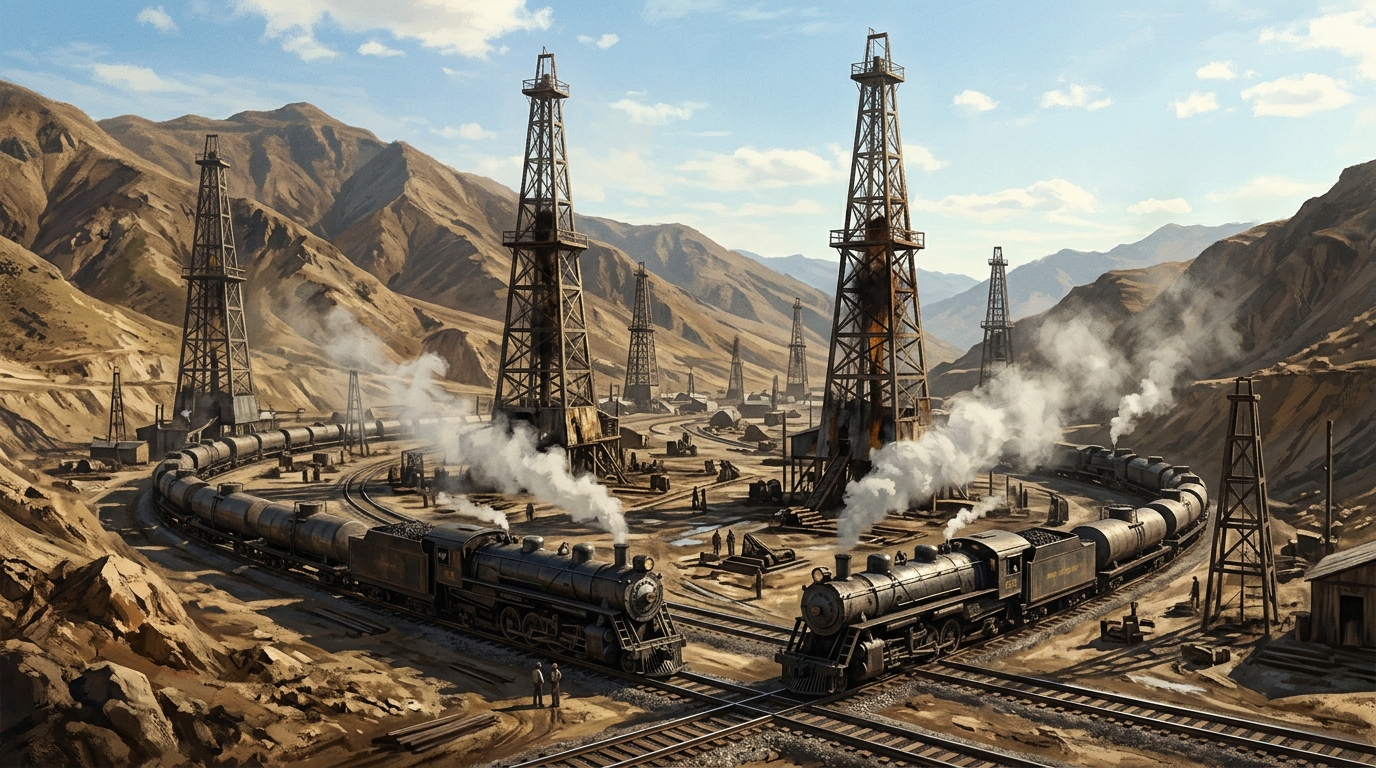
With the Soviet southern flank collapsing, Army Group A advances unchecked into the Caucasus. Although retreating Soviet forces dynamite the derricks and set the oil lakes ablaze, German engineering battalions arrive in force. Utilizing newly drafted local labor and pre-fabricated drilling equipment brought by rail, they begin capping the wells. By late summer of 1943, the first steady shipments of crude oil are moving via heavily guarded trains back to refineries in the Reich. The chronic fuel shortages that historically crippled the Wehrmacht evaporate. Panzer divisions and Luftwaffe squadrons are suddenly revitalized, able to conduct prolonged, mobile operations without the constant fear of empty fuel tanks, fundamentally shifting the logistical balance of power in Europe.
The Ural Line
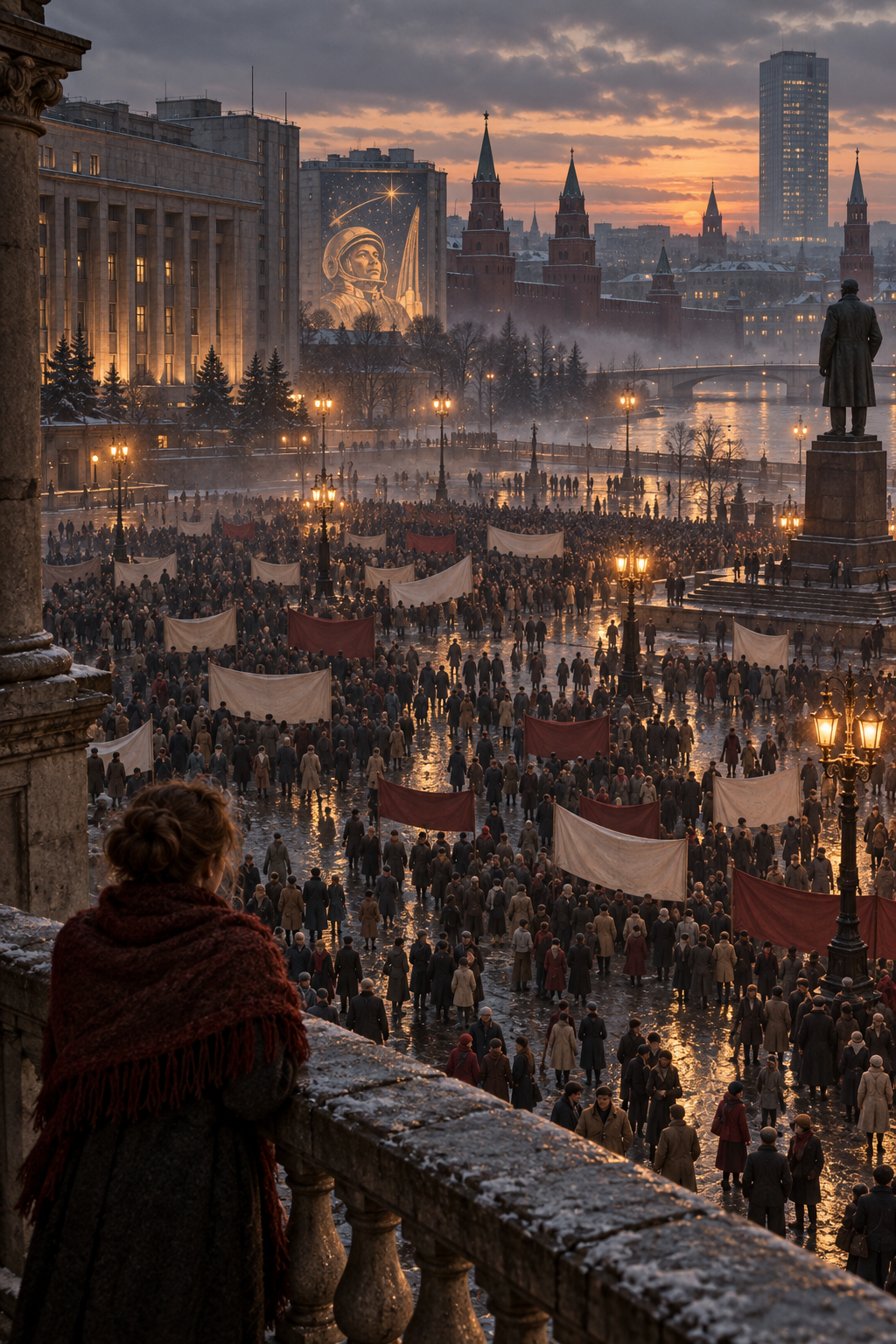
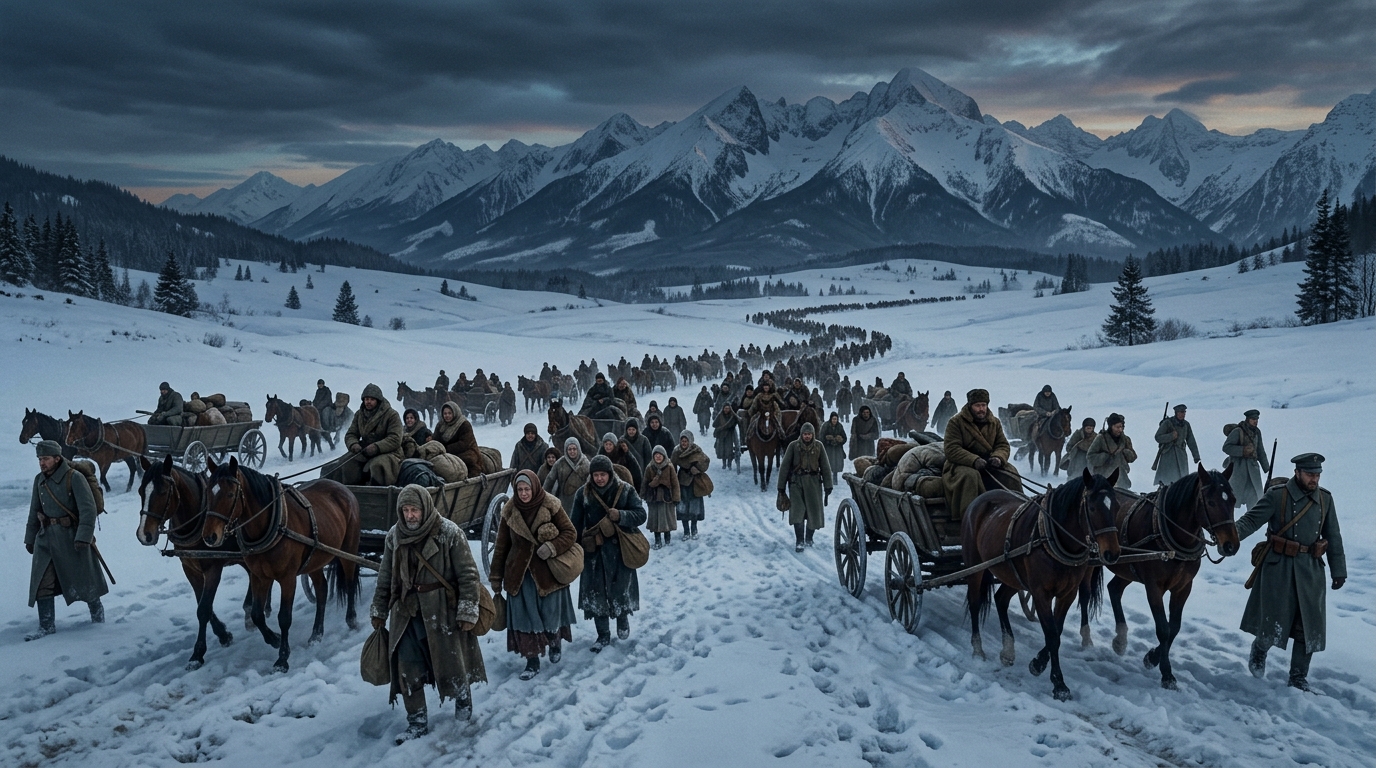
Deprived of Caucasus oil and with southern Lend-Lease routes through Iran severed, the Red Army's mechanization grinds to a halt. Stalin orders a strategic, agonizing retreat toward the Ural Mountains to preserve his remaining forces. Vast stretches of the Russian interior are abandoned to German occupation. The war in the east transforms into a brutal, low-intensity partisan conflict across thousands of miles of frozen steppe. Millions of Soviet citizens endure a harrowing exodus eastward, dismantling factories and carrying what they can into the bitter cold. The Soviet state survives, but it is crippled, forced into a defensive posture, fighting a desperate war of survival from the mountains while German forces consolidate their massive territorial gains.
The Atlantic Wall Reinforced
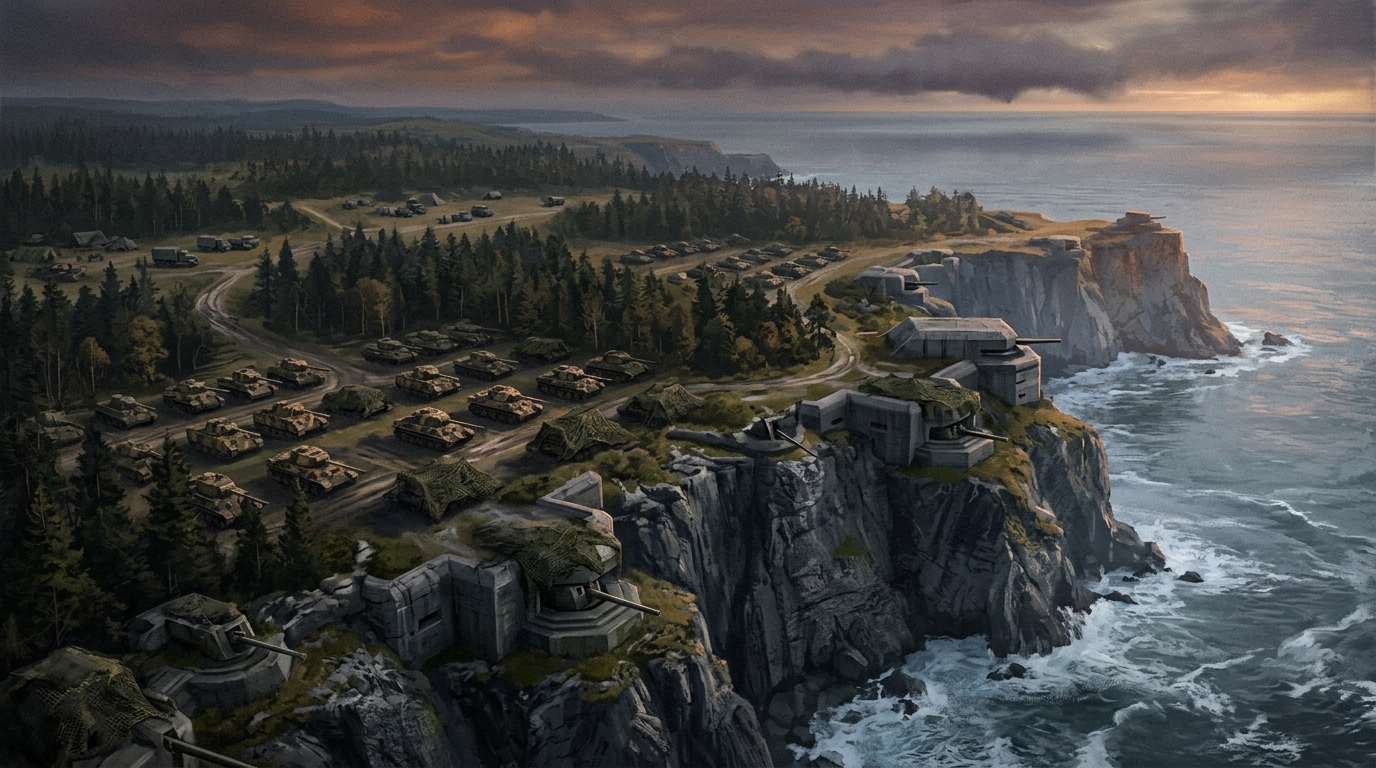
In London and Washington, Allied planners watch the Eastern Front with mounting dread. Germany’s victory in the east allows them to redeploy dozens of battle-hardened divisions and newly fueled panzer reserves to France. The Atlantic Wall, historically a thin crust of defense, becomes an impenetrable fortress in depth. Reconnaissance flights over Normandy and Calais reveal staggering concentrations of armor. Fearing a catastrophic slaughter on the beaches, General Eisenhower and the combined chiefs make the agonizing decision to postpone Operation Overlord. The delay causes immense political friction between the Western Allies and the isolated Soviet leadership, who accuse the West of cowardice while they bleed in the Urals.
The Italian Grind
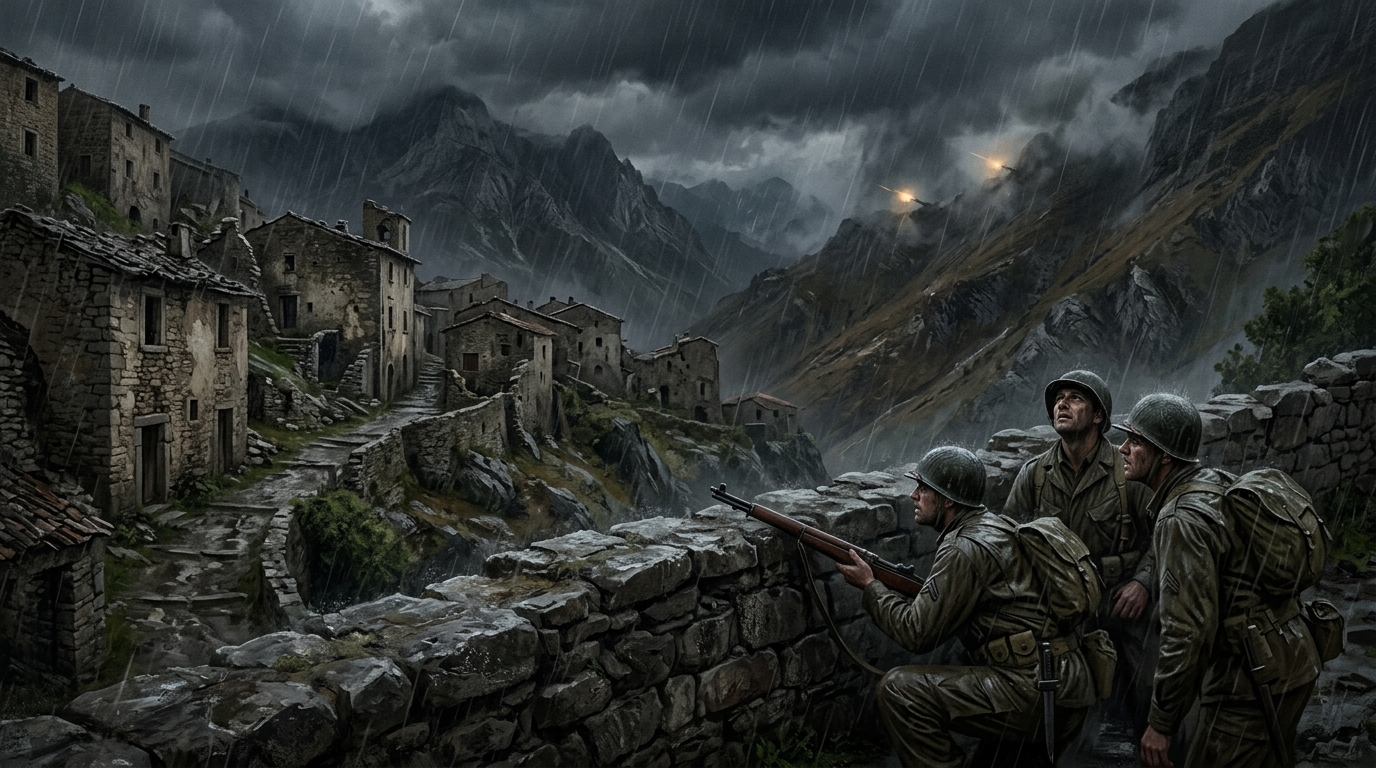
With the cross-Channel invasion delayed, the Allies pour their resources into the Mediterranean theater. The campaign in Italy, already notoriously difficult, becomes a nightmare. Fully motorized German forces, unrestricted by fuel rationing, execute masterful defensive maneuvers through the Apennine Mountains. Allied troops face relentless counterattacks from rapid-response panzer forces. Entire mountainsides are reduced to rubble by endless artillery barrages. Progress is measured in yards, at the cost of tens of thousands of casualties. The grinding attrition exhausts public support in Britain and America. Newspapers begin questioning if the war can be won by conventional means against an enemy that holds an entire continent and possesses boundless resources.
The Manhattan Imperative
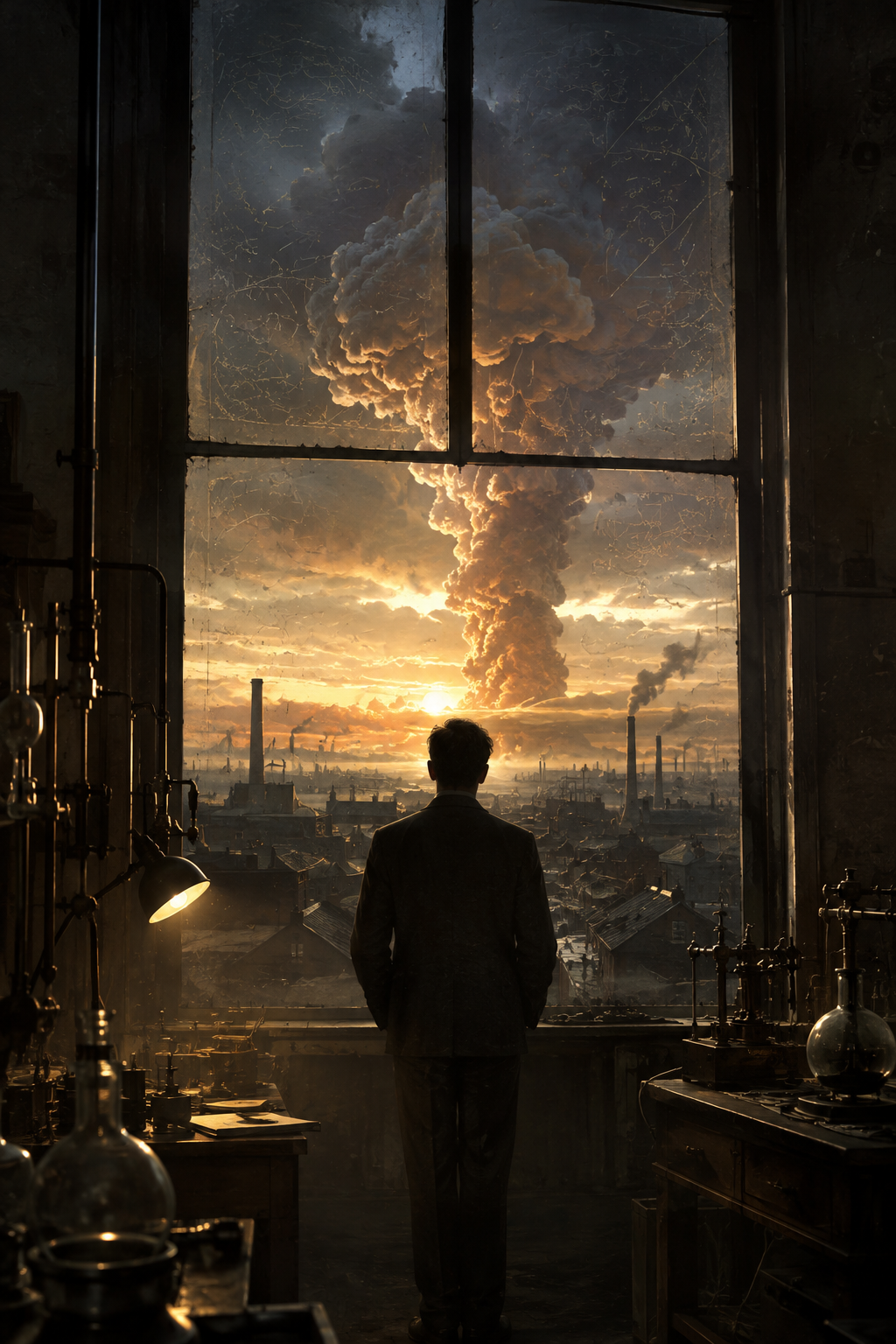
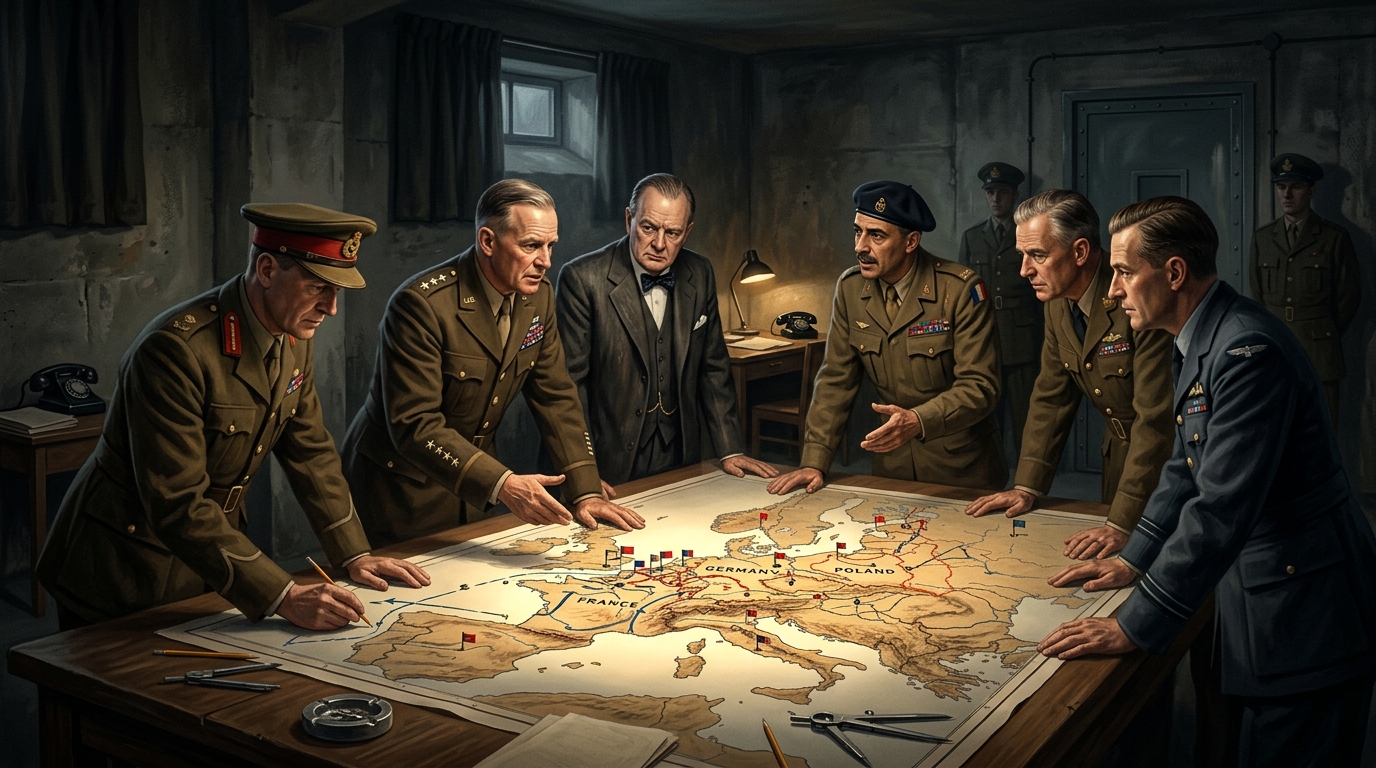
As the conventional land war stagnates, the ultimate priority of the United States shifts entirely to the deserts of New Mexico. The Manhattan Project is given a blank check and unprecedented urgency. Scientists work under immense pressure from the War Department, knowing that an atomic weapon is now the only viable way to crack Fortress Europe and force a German surrender without millions of Allied casualties. Target selection committees pivot their maps from the Pacific to the industrial heartlands of the Third Reich. The successful Trinity Test in July 1945 is met not just with scientific awe, but with grim relief by the few military leaders who comprehend its meaning.
Fire from the Sky
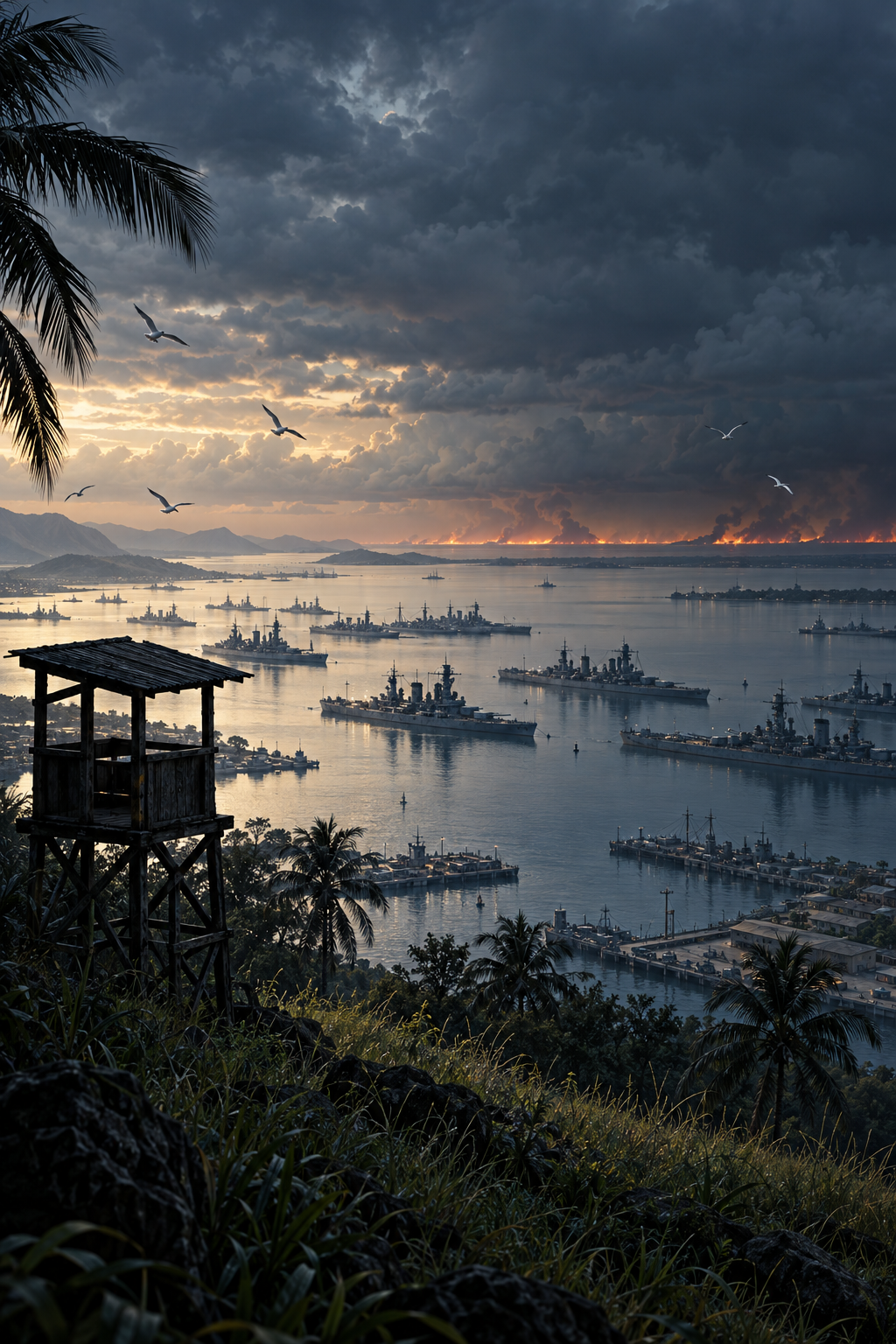
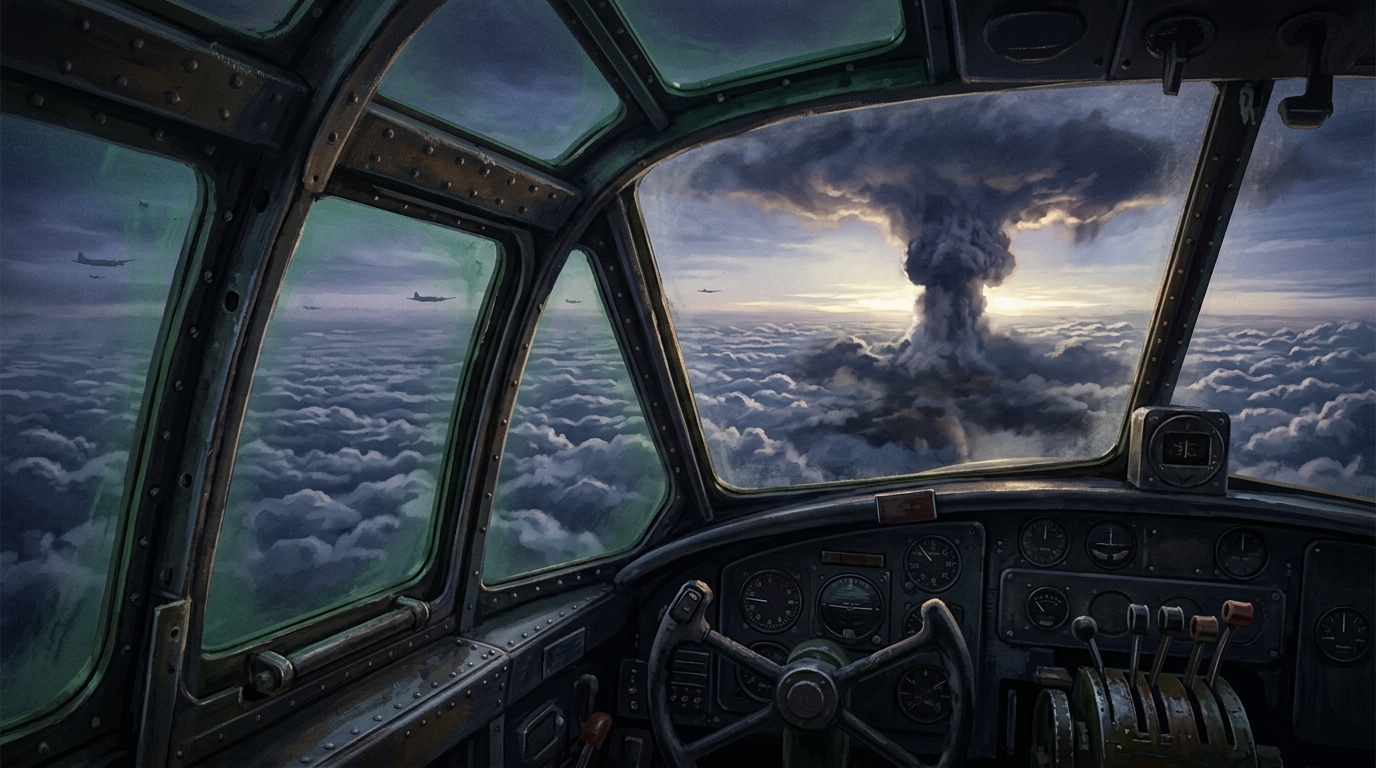
The B-29 Superfortress, originally designed for the immense distances of the Pacific, is deployed to bases in North Africa and Britain. In August 1945, the United States executes Operation Thunderclap. Atomic bombs are dropped on the vital German logistics hubs of Frankfurt and the Ruhr Valley. The devastation is absolute. Whole industrial centers are instantly vaporized, and the sudden, terrifying display of unprecedented destructive power sends shockwaves through the German high command. Facing total nuclear annihilation of their cities, and with the sudden realization that their eastern conquests cannot protect them from this new weapon, the Nazi regime fractures. An internal coup deposes the top leadership, and the provisional government hastily sues for peace.
A Fractured Continent
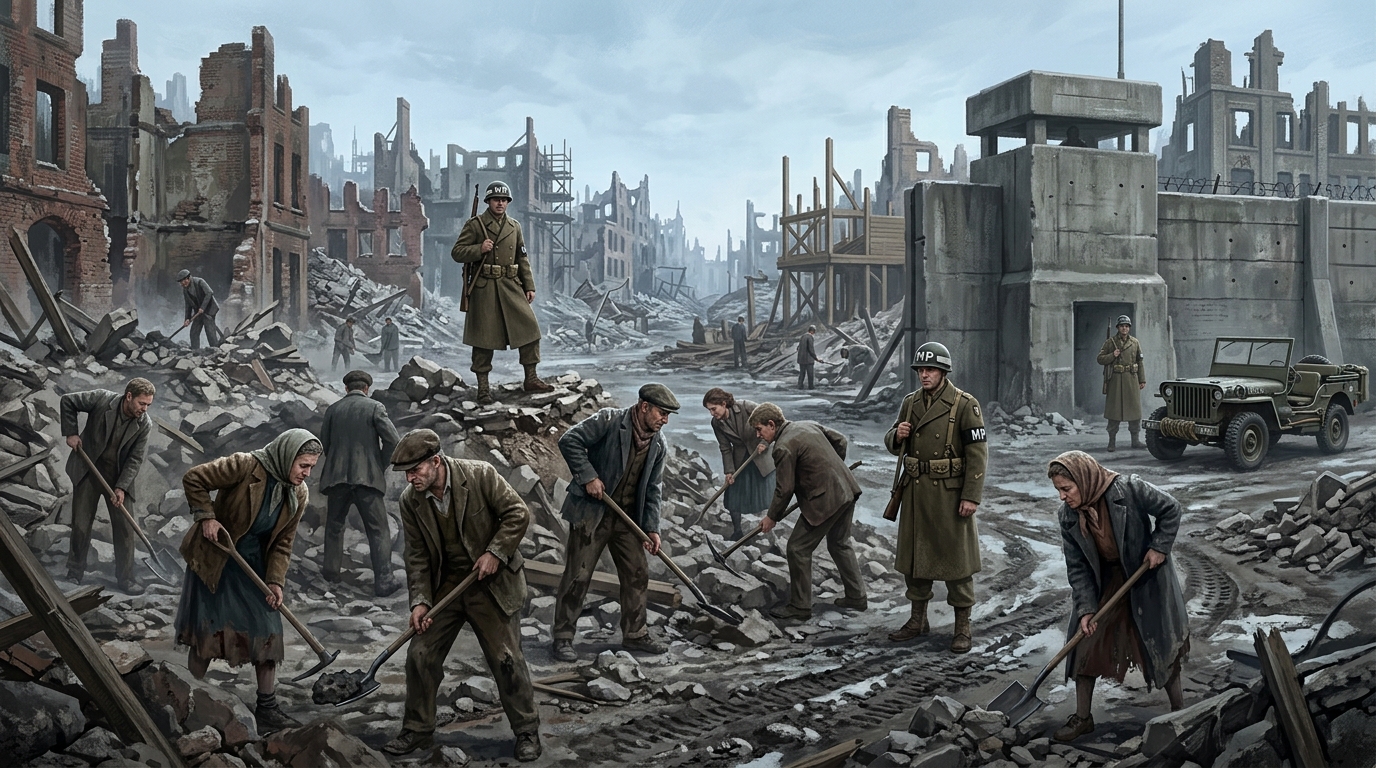
The post-war map is unrecognizable. American and British forces occupy a deeply scarred, radioactive western Germany. The Soviet Union, having barely survived beyond the Urals, is exhausted, deeply paranoid, and refuses to interact with the West, viewing the atomic bombings as a veiled threat against Moscow as much as a strike on Germany. Eastern Europe remains a chaotic buffer zone of shattered states and roaming partisan armies. The Iron Curtain falls not through Berlin, but along the Polish-Soviet border and the Urals. The world enters a profoundly unstable Cold War, characterized by an America holding an atomic monopoly, a broken Europe slowly rebuilding under heavy military occupation, and a fractured Russia brooding in the frozen east.
More from Alternate History