The Better Angels
What if… Abraham Lincoln's bodyguard stays at his post at Ford's Theatre, preventing the assassination and allowing Lincoln to personally oversee Reconstruction.
Synopsis
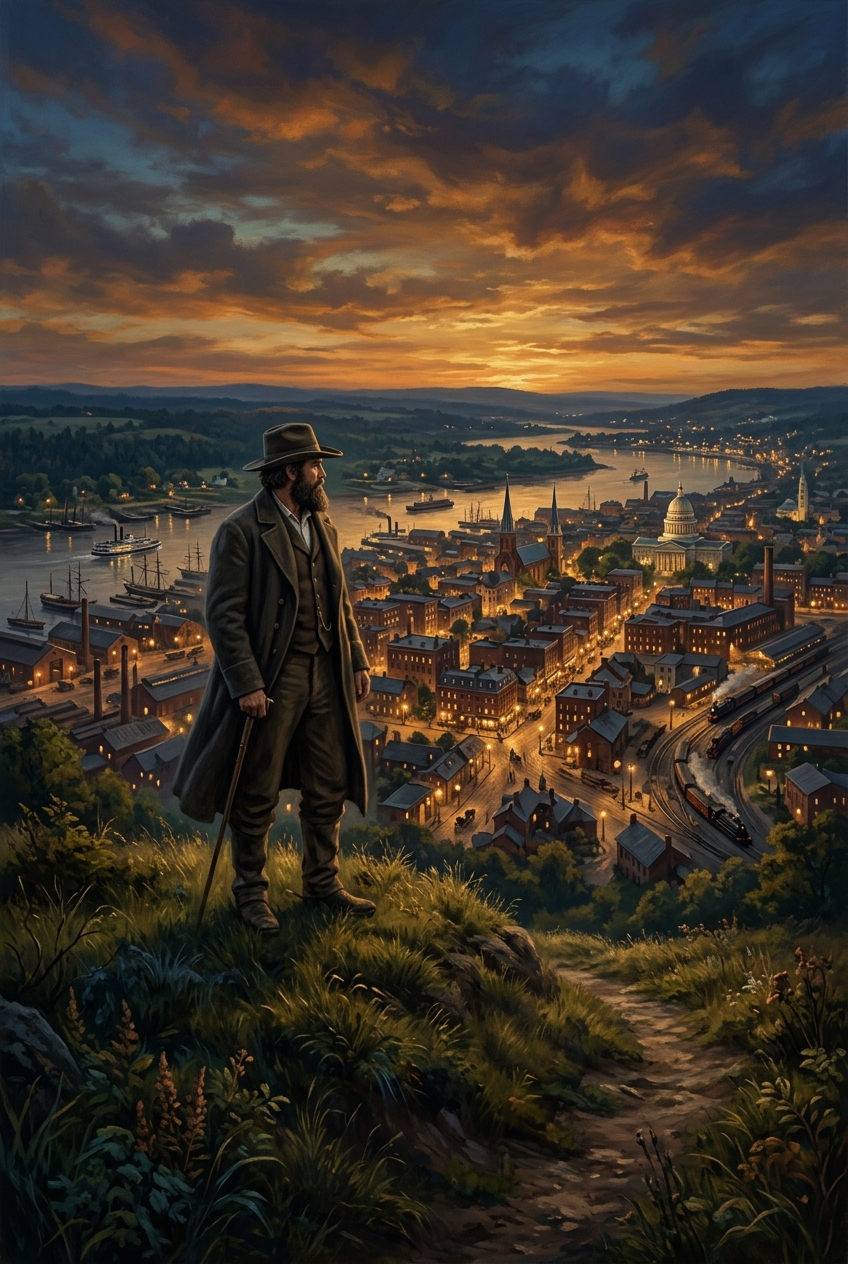
With Abraham Lincoln surviving the attempt on his life, the catastrophic presidency of Andrew Johnson is averted. Lincoln uses his immense political capital to enforce a moderate but unyielding Reconstruction, utilizing the military to crush early hate groups while instituting land reform for freedmen. Aided by an unbroken chain of capable Republican successors, federal protections for marginalized citizens remain intact through the late 19th century. By the dawn of the 20th century, the South is a more integrated, modernized region, and the brutal era of Jim Crow is entirely bypassed.
The Better Angels
What if… Abraham Lincoln's bodyguard stays at his post at Ford's Theatre, preventing the assassination and allowing Lincoln to personally oversee Reconstruction.
In our timeline, April 14, 1865, marked the tragic end of Abraham Lincoln's life and the beginning of a deeply compromised Reconstruction. A single gunshot at Ford’s Theatre plunged the victorious Union into political chaos, leaving the healing of the nation to the ill-equipped and deeply prejudiced Andrew Johnson. But history turned on the poorest of security details. Lincoln’s assigned bodyguard, a Metropolitan Police officer named John Parker, was known to wander off to the saloon next door. In this timeline, Parker’s thirst is outweighed by a sudden sense of duty. He remains seated in the dress circle hallway outside the State Box. When an actor named John Wilkes Booth approaches the door, demanding entry with a derringer in his pocket, Parker stands his ground.
The Intercepted Assassin
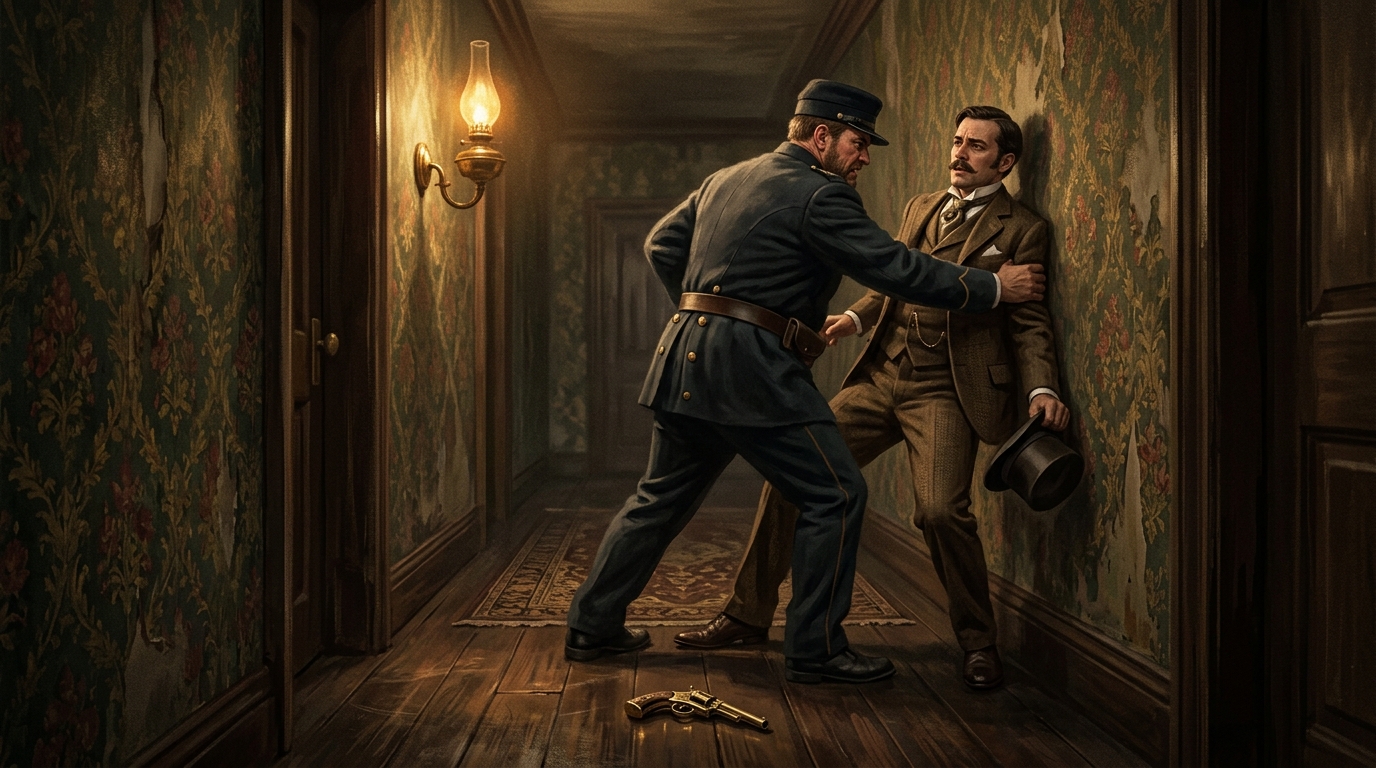
The scuffle in the gaslit corridor outside the State Box is brief but decisive. John Wilkes Booth, expecting an unguarded door, is completely unprepared for the sturdy presence of John Parker. When Booth reaches for his pocket, Parker grabs the actor’s wrist, twisting it until a small brass derringer clatters to the wooden floorboards. The commotion draws the attention of Major Henry Rathbone from inside the box, who rushes out to assist. By the time President Lincoln realizes what has happened, his would-be assassin is pinned to the wall, cursing the tyrant. News of the foiled plot spreads rapidly through Washington, turning the capital's post-war jubilation into a sobering realization of the Confederacy’s lingering venom. Lincoln returns to the White House shaken, but alive.
A President's Justice
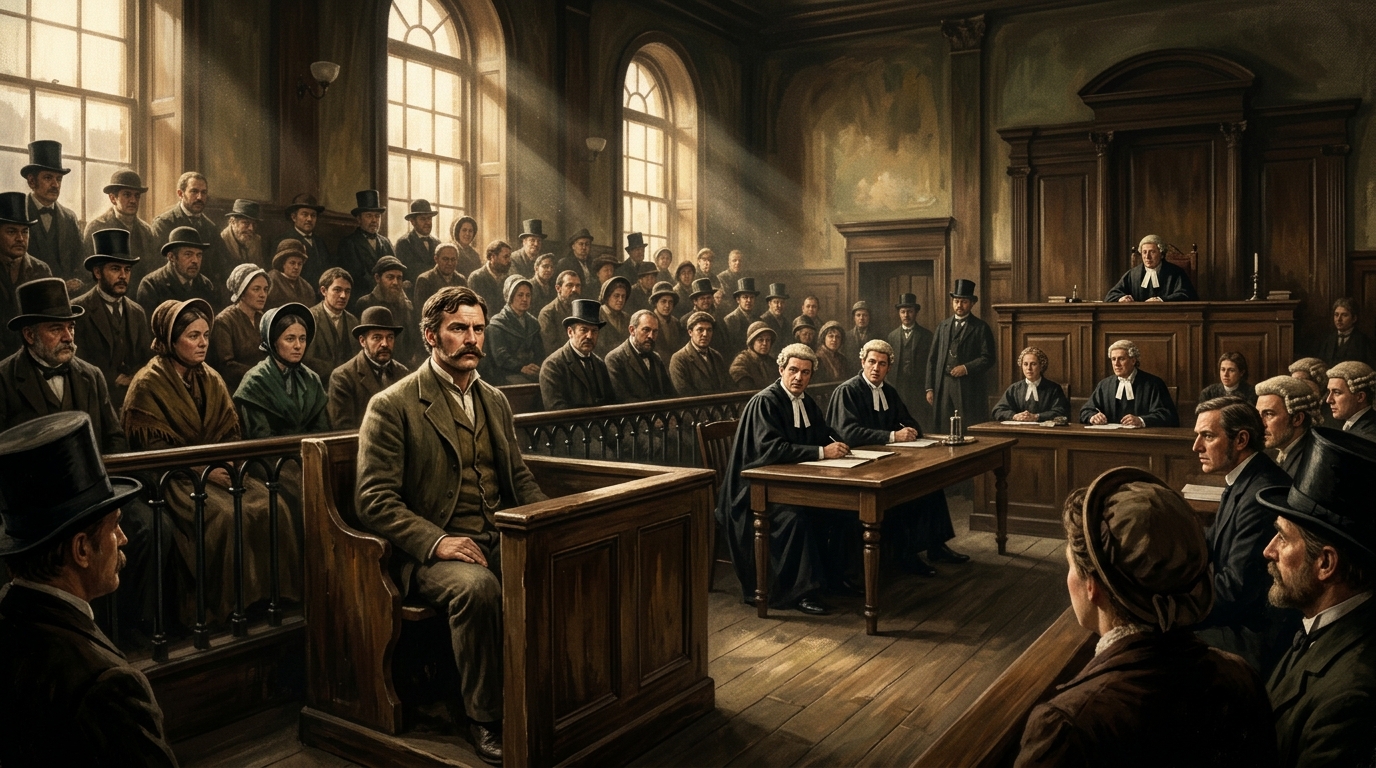
The trial of John Wilkes Booth and his co-conspirators in the summer of 1865 captivates the recovering nation. Radical Republicans demand a swift military tribunal and executions, but Lincoln insists on a civilian trial to demonstrate the unshakeable rule of law. The proceedings expose the extensive network of Confederate sympathizers who aided the plot, extinguishing the romanticized myth of the 'Lost Cause' before it can fully take root. Booth, stripped of his martyr status, is exposed as a desperate fanatic. Through it all, Vice President Andrew Johnson is quietly marginalized; Lincoln’s survival means Johnson’s reactionary sympathies are politically neutralized. The President uses the momentum of the trial to unite moderate and radical factions behind a firmer, uncompromising vision for the post-war South.
The Homesteads of Freedom
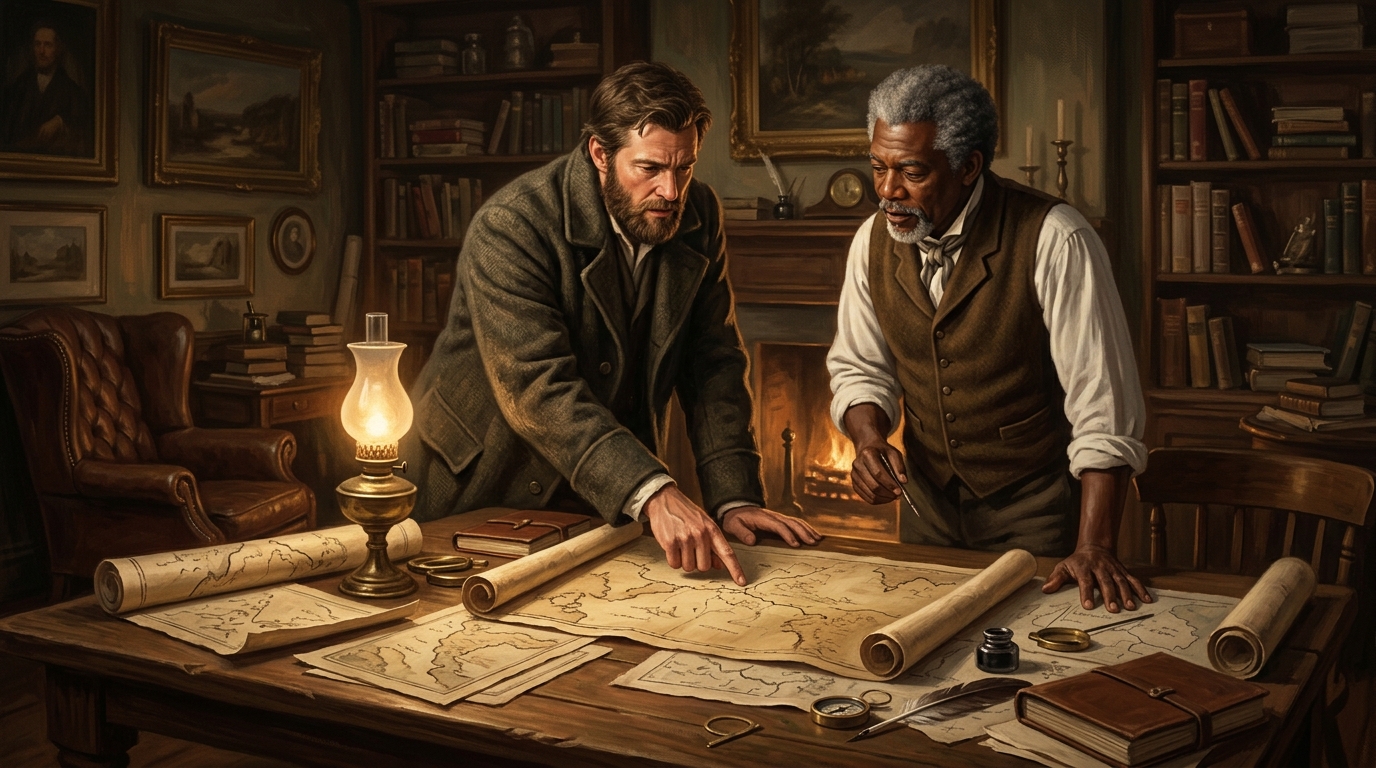
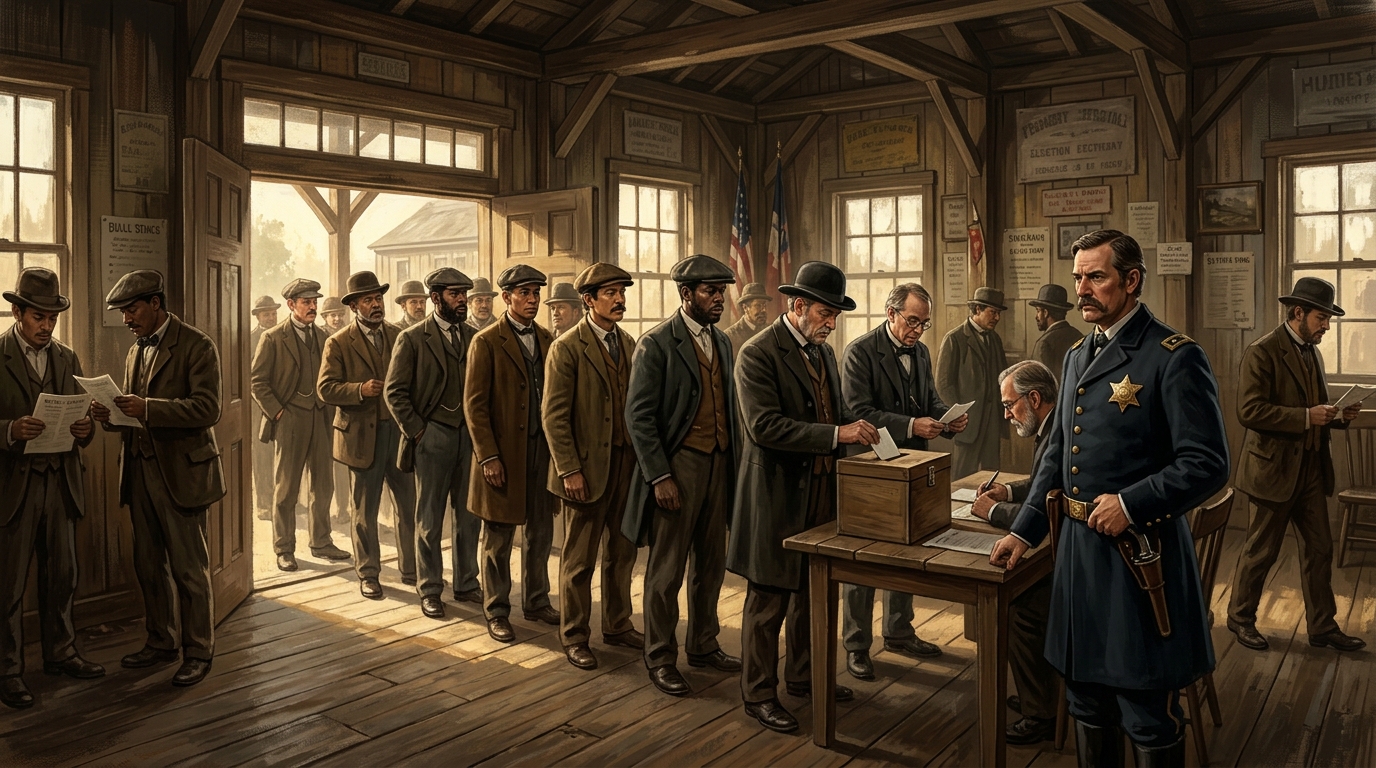
With his political capital at an absolute zenith, Lincoln embarks on his second term with a modified, more aggressive approach to Reconstruction. Abandoning the leniency of his wartime plans, he works closely with Frederick Douglass and Congress to draft the Reconstruction Acts of 1866. This legislation bypasses obstructionist southern legislatures by permanently stationing federal election supervisors across the former Confederacy. Crucially, Lincoln champions the 'Freedmen’s Homestead Act,' distributing seized federal lands to emancipated families rather than returning them to pardoned plantation owners. This economic foundation gives newly freed citizens the leverage they need to protect their political rights. The process is fraught with tension, but Lincoln’s deft maneuvering prevents the devastating political compromises that would have abandoned the newly enfranchised citizens.
Crushing the White League
As federal land distribution begins, a violent reactionary movement surges in the South. Early incarnations of the Ku Klux Klan and White Leagues attempt a campaign of terror against black farmers and sympathetic northerners. However, they face a President who recently commanded the largest army on earth. Lincoln does not hesitate. In the spring of 1867, he suspends habeas corpus in key rebellious counties and deploys veteran cavalry units under General Philip Sheridan to root out the insurgents. The federal response is overwhelming and surgically precise. Without a sympathetic Andrew Johnson in the White House to pardon their leaders, the nascent terror groups are crushed in their infancy, their ringleaders imprisoned or driven into permanent exile, ensuring peace through strength.
The Transition of 1868
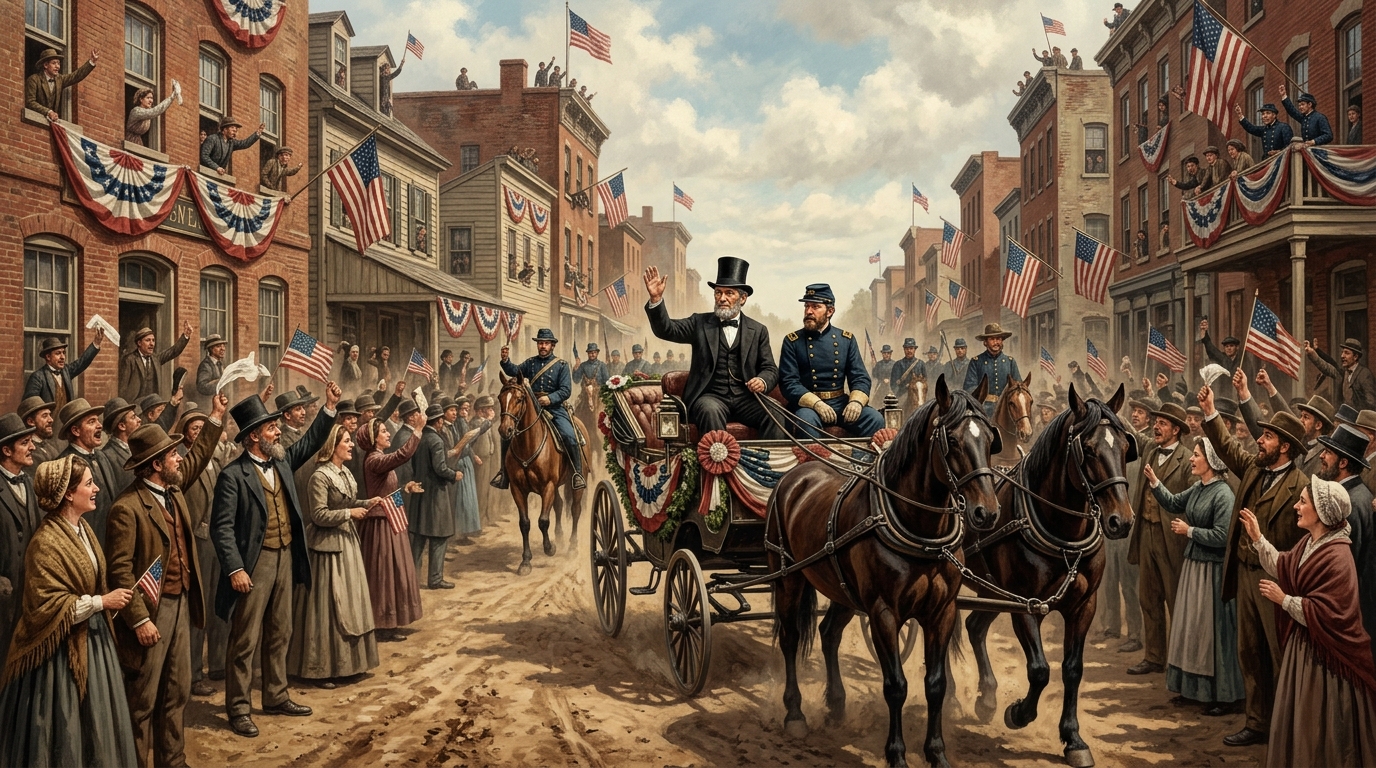
Approaching the election of 1868, calls for Lincoln to seek an unprecedented third term are deafening. The nation feels secure under his steady hand. Yet, Lincoln refuses, citing the precedent set by George Washington and the need for the Republic to prove it is governed by laws, not indispensable men. He formally endorses Ulysses S. Grant, whose immense popularity guarantees a Republican victory. The transition of power is a monumental event; the ailing but triumphant Lincoln rides alongside Grant down Pennsylvania Avenue. This peaceful handover cements the success of Reconstruction. Grant inherits a stabilized South, a functioning civil rights apparatus, and a cabinet experienced in maintaining the fragile equality won on the battlefields of the Civil War.
The Compromise Averted
The Centennial Election of 1876 unfolds remarkably differently in this timeline. Because the federal government never abandoned the freedmen, Black voter turnout in the South remains exceptionally high and protected. The robust, integrated Republican coalitions in states like South Carolina and Louisiana hold firm against Democratic challengers. As a result, Rutherford B. Hayes wins a decisive electoral college victory without the need for a contested, backroom deal. The infamous Compromise of 1877—which in our timeline removed federal troops from the South and birthed the Jim Crow era—never occurs. Federal marshals remain stationed in the South not as an occupying army, but as permanent fixtures of the justice system, safeguarding the multiracial democracy envisioned by the architects of emancipation.
The Sage of Springfield
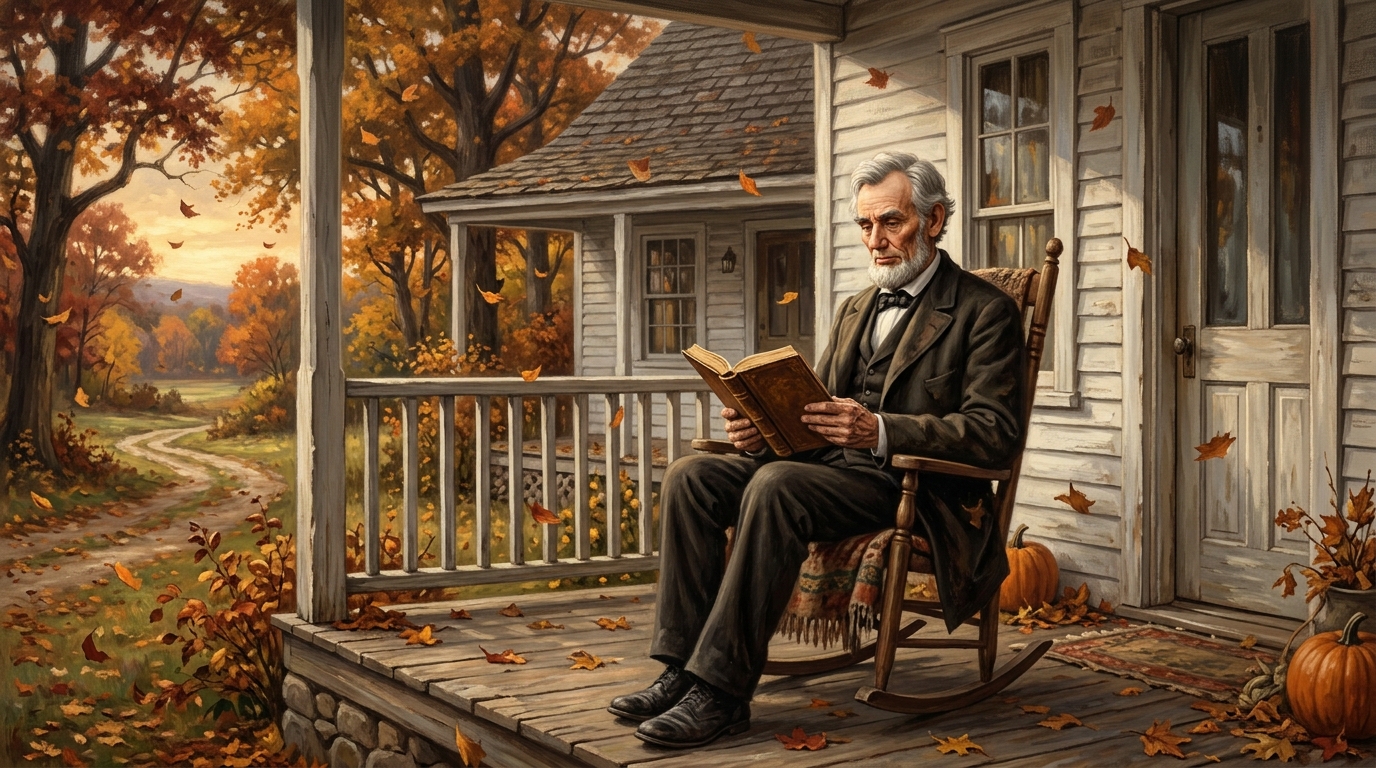
In his twilight years, a venerable Abraham Lincoln retires to his home in Springfield, Illinois. He spends the late 1870s penning his highly anticipated memoirs, which become an immediate global sensation. Foreign dignitaries, journalists, and young politicians make the pilgrimage to his doorstep to seek counsel from the 'Savior of the Union.' Though his physical health slowly deteriorates, his mind remains razor-sharp. He occasionally publishes open letters in northern newspapers, acting as the conscience of the nation during the booming, tumultuous Gilded Age, frequently warning against the corrupting influence of monopolistic wealth. On a quiet evening in February 1882, a few days shy of his seventy-third birthday, Abraham Lincoln passes away peacefully in his sleep, surrounded by his family.
The New Century's Foundation
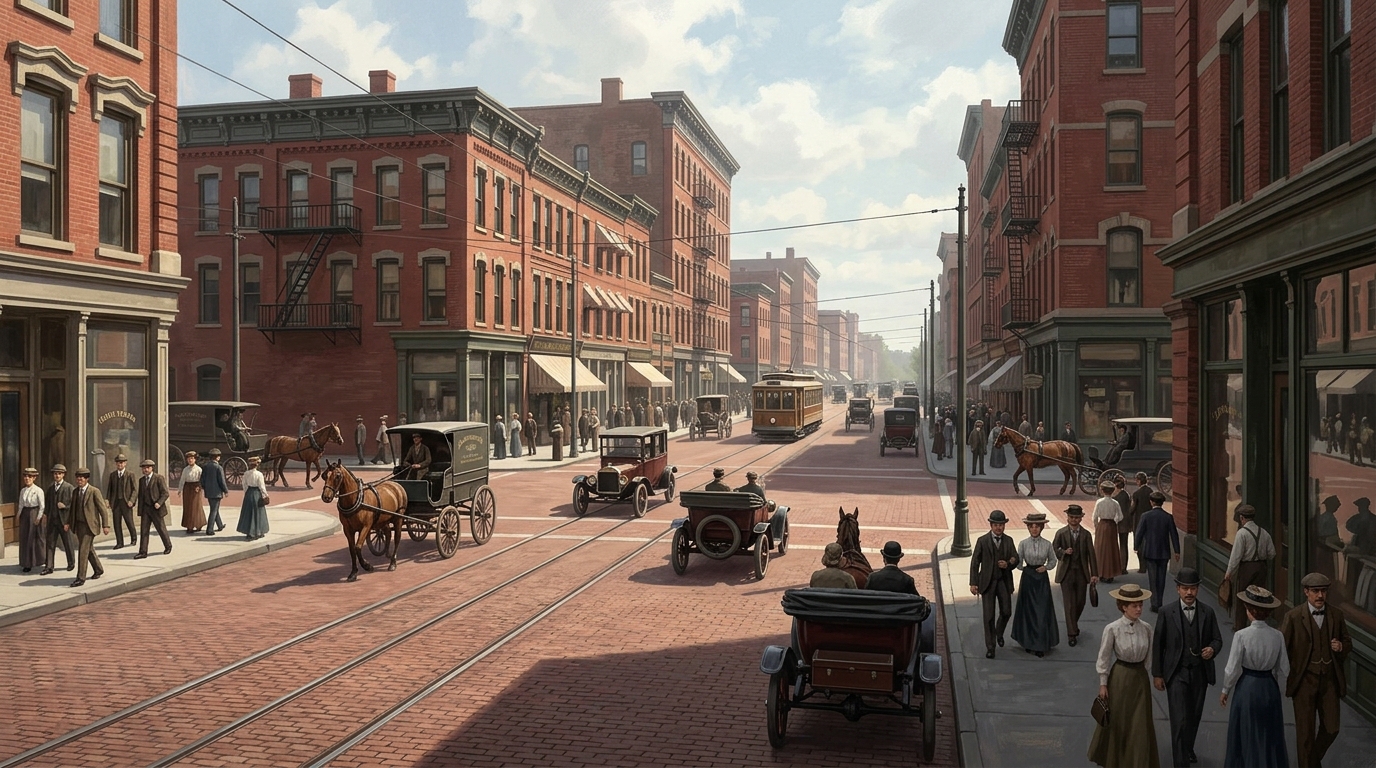
The twentieth century dawns on a profoundly different United States. Without the generational trauma of Jim Crow and mass disenfranchisement, the American South modernizes alongside the North. Black Americans possess deep roots in southern agriculture and local politics, resulting in a steady, unbroken line of Black representatives in Congress from the 1870s onward. While prejudice and systemic inequalities remain challenges, the legal framework of segregation was never allowed to solidify. The civil rights struggles of the 1900s are fought over housing discrimination and labor rights, rather than basic suffrage and horrific racial violence. Lincoln’s survival secured a fundamentally more equal Republic, proving that the brutal wounds of the Civil War could heal true, so long as the physician remained.
More from Alternate History