Homemade Dill Pickles
📍 Across the Midwest — Garden Season, Canning Season, Pickle Season
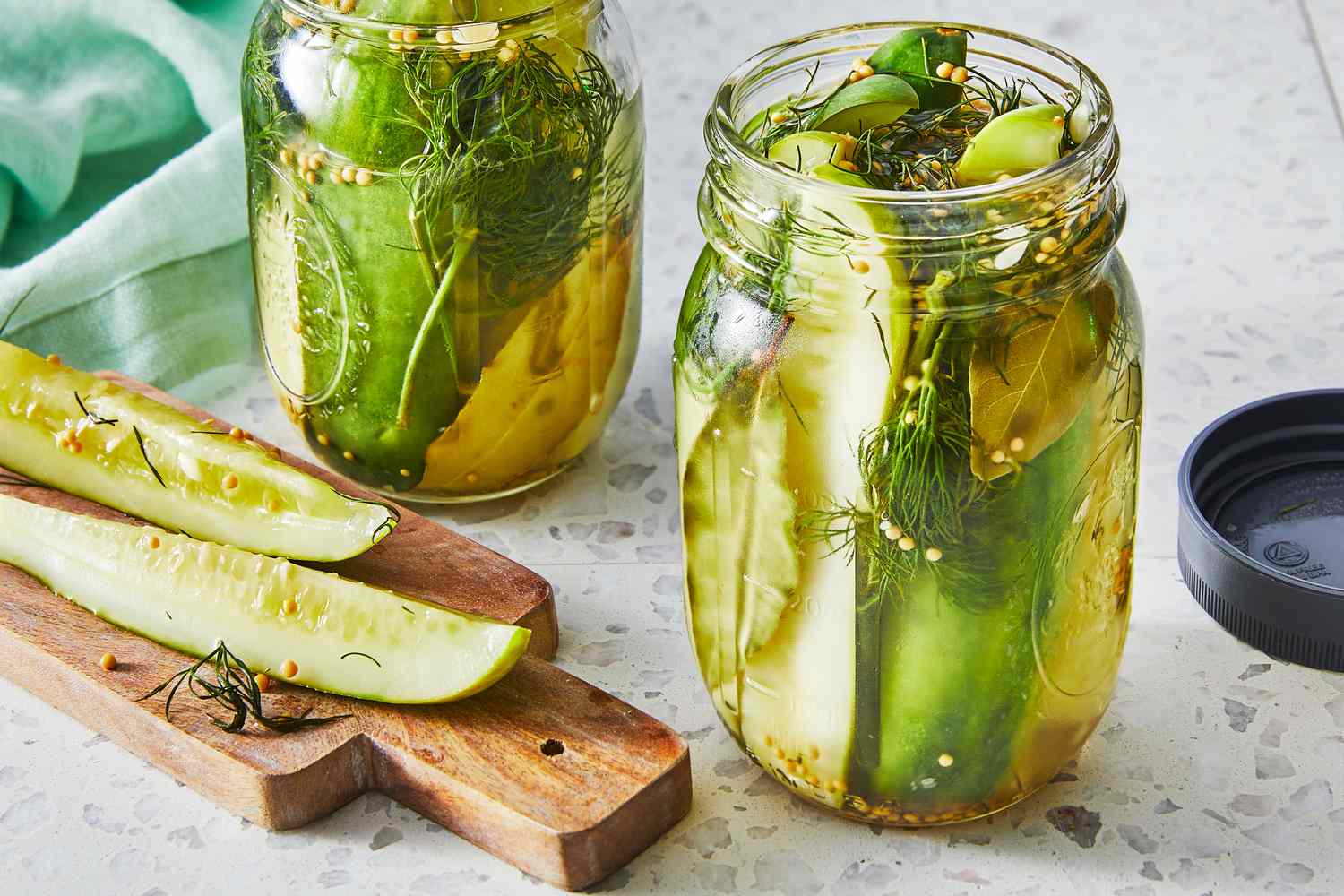
Homemade Dill Pickles
📍 Across the Midwest — Garden Season, Canning Season, Pickle Season
Crisp, cold, garlic-punched, dill-fragrant pickles made in your own kitchen with cucumbers that were in the garden this morning. The brine is sharp, the crunch is audible, and the satisfaction of a shelf lined with jars of homemade pickles is the kind of quiet pride that doesn't need a social media post. (You're going to post it anyway.)
At a Glance
| Detail | Info |
|---|---|
| Yield | About 6 pint jars |
| Prep Time | 30 minutes |
| Processing Time | 15 minutes (for canning) |
| Wait Time | 2–4 weeks for full flavor |
| Total Time | 1 hour active + 2 weeks waiting |
| Difficulty | Moderate |
| Category | Preserves |
🫕 Midwest Nice Rating: 🫕🫕🫕🫕
A jar of homemade pickles is the Midwest's version of a business card. Hand one to a neighbor and you've just signed a mutual aid treaty.
Ingredients
The Pickles
- 3–4 pounds pickling cucumbers (Kirby or similar — small, firm, unwaxed)
- 6–12 heads fresh dill (or 6 tablespoons dried dill seed)
- 6 cloves garlic, peeled and halved
- 1 tablespoon whole black peppercorns
- 2 teaspoons mustard seed
- 1 teaspoon red pepper flakes (optional — for a little kick)
- 6 fresh grape leaves or oak leaves (optional — keeps pickles crisp)
The Brine
- 3 cups white distilled vinegar (5% acidity)
- 3 cups water
- 3 tablespoons pickling salt (not iodized table salt — it clouds the brine)
Instructions
Prep the cucumbers. Wash the cucumbers thoroughly. Trim off ⅛ inch from the blossom end (the end opposite the stem) — there's an enzyme there that can make pickles soft. Leave them whole for classic dills, or slice into spears or chips. Pack them tightly — pickles that float in the brine don't cure evenly.
Prep the jars. Wash 6 pint jars, lids, and bands in hot soapy water. Keep the jars warm (in a 200°F oven, or in simmering water) until ready to fill.
Season the jars. Into each warm jar, place: 1–2 heads of fresh dill (or 1 tablespoon dill seed), 2 garlic clove halves, ½ teaspoon peppercorns, ⅓ teaspoon mustard seed, a pinch of red pepper flakes, and a grape leaf if using.
Pack the cucumbers. Pack the cucumbers tightly into the jars, standing them upright. Pack them in snugly — they'll shrink slightly during processing. Leave ½ inch of headspace from the top of the jar.
Make the brine. In a saucepan, bring the vinegar, water, and pickling salt to a boil, stirring until the salt is dissolved.
Fill the jars. Pour the hot brine over the cucumbers in each jar, maintaining ½ inch of headspace. Use a butter knife or chopstick to remove any air bubbles by running it along the inside edge of the jar. Wipe the jar rims clean with a damp cloth. Place lids and bands, tightening to fingertip-tight.
Process (for shelf-stable pickles). Place the jars in a boiling water bath canner. Process pint jars for 15 minutes (start timing when the water returns to a full boil). Remove and let cool on a towel. You'll hear the lids pop and seal — that's the sound of success.
Wait. This is the hard part. The pickles need at least 2 weeks — preferably 4 — for the flavors to fully develop. The garlic mellows, the dill permeates, the brine equalizes. Patience makes perfect pickles.
Tips & Variations
- Refrigerator Pickles (No Canning): Skip the boiling water bath. Pack jars, pour hot brine, let cool, and refrigerate. They'll be ready in 3–5 days and keep in the fridge for 2–3 months. No canning equipment needed. This is the beginner-friendly method.
- Cucumber Choice: Pickling cucumbers (Kirbys, National Pickling, Homemade Pickles variety) are essential. Regular slicing cucumbers from the store are too watery and will make mushy pickles. Farmers' markets in July and August are your best source.
- Grape Leaves: Grape leaves contain tannins that help keep pickles crisp. Oak leaves work too. If you can't find either, adding ⅛ teaspoon of calcium chloride (Pickle Crisp) per jar does the same thing.
- Spicy Dill Pickles: Add a whole dried chile (cayenne or árbol) to each jar. Or double the red pepper flakes.
- Bread and Butter Pickles: For a sweeter pickle, use a brine of equal parts vinegar and sugar, with turmeric, celery seed, and sliced onions. Completely different animal, equally beloved.
- Pickle Salt Matters: Pickling salt is pure sodium chloride with no additives. Iodized table salt makes the brine cloudy. Kosher salt works but measure by weight, not volume, since the flake size differs.
🤫 Grandma's Secret: "A tiny pinch of alum in each jar — it keeps them extra crunchy. Some people say it's unnecessary with modern methods. Some people also have soft pickles. And always make the brine fresh — don't reuse brine from an old batch. The acidity changes, and you'll end up with mush."
Pairs Well With
A summer garden that produced more cucumbers than any reasonable family could eat, a Saturday spent in the kitchen with the windows open, and the deep satisfaction of opening a jar in January and tasting August.
🌾 Did You Know?
Home canning and pickling in the Midwest isn't just a hobby — it's a living tradition with roots in both immigrant preserving cultures and frontier necessity. German, Polish, Czech, and Scandinavian immigrants all brought their own pickling traditions to the region, and the vast cucumber harvests of the Midwest's fertile gardens provided endless raw material. At its peak in the mid-20th century, home canning was so widespread that Ball jars were practically a Midwestern unit of currency. The tradition declined with the rise of supermarkets and year-round produce availability, but it never died — and it's experienced a significant revival in the 2010s and 2020s, driven by farm-to-table culture, sustainability movements, and the simple fact that homemade pickles taste dramatically better than store-bought ones. The county fair pickle competition remains one of the most fiercely contested categories at Midwestern fairs. Judges evaluate crunch, brine clarity, spice balance, and visual appeal. Ribbons are displayed with genuine pride. Wars have been fought over less.
📸 Photography note: A row of mason jars filled with pickles — some whole, some spears, the green of the cucumbers and the sprigs of dill visible through the glass, brine slightly hazy with garlic and spices. A few fresh cucumbers and dill heads on the counter alongside. Bright, clean kitchen light. The photo should feel like August in the Midwest — garden abundance, canning jars, summer at its peak.
More from Recipes