Image Collections 1971-01-01
Music Yearbooks — 1971
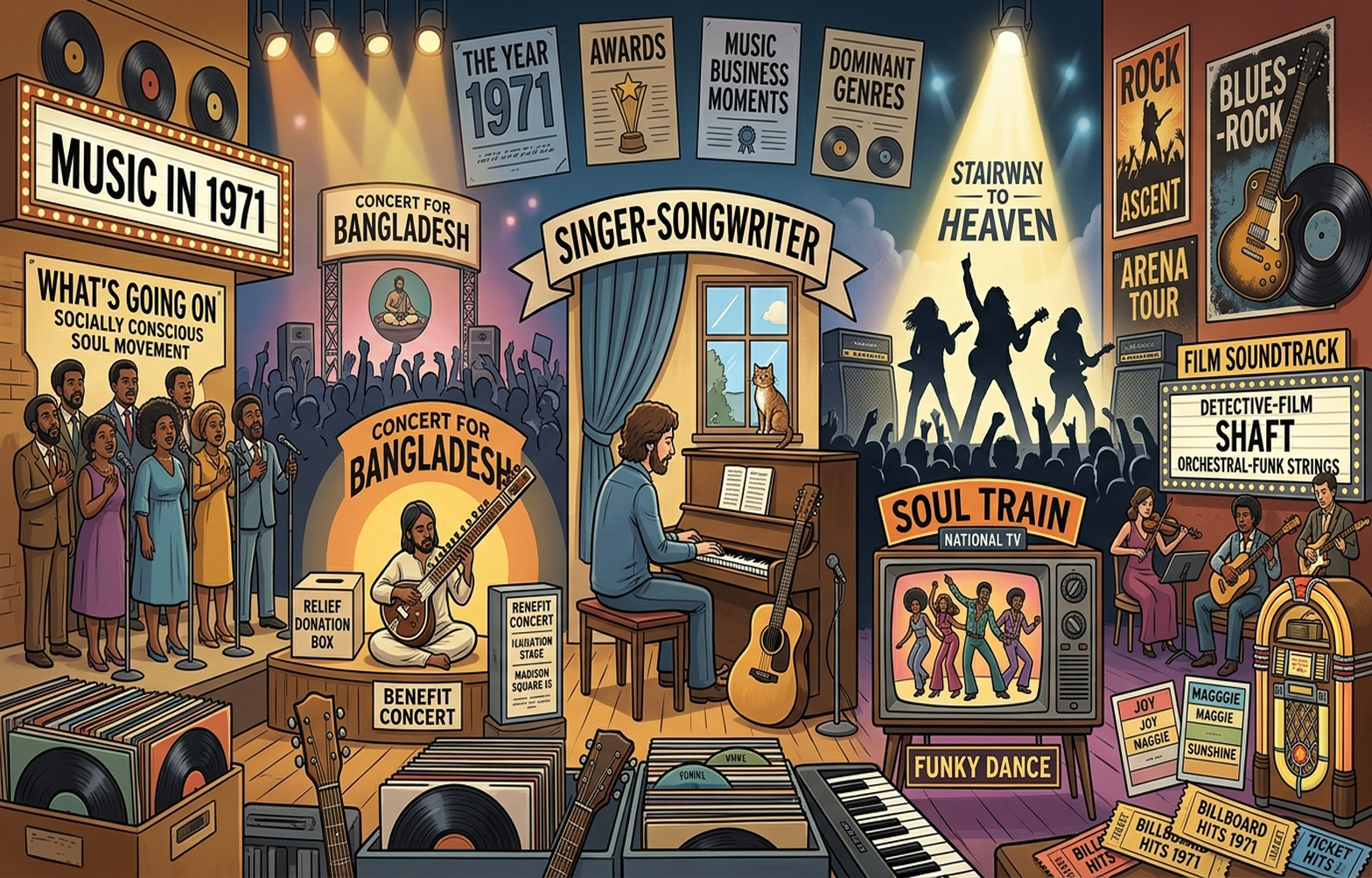
Carole King, Tapestry - singer-songwriter piano intimacy and early-1970s album culture.
Music Yearbooks - 1971
Generation date: 2026-06-20
Model: gemini-3.1-flash-image
Saved image: My-Library/Images/Collections/Music-Yearbooks/Images/Music-Yearbook_1971.png
Selected Music Moments
- Carole King,
Tapestry- singer-songwriter piano intimacy and early-1970s album culture. - Marvin Gaye,
What's Going On- socially conscious soul and city-street chorus imagery. - Joni Mitchell,
Blue- acoustic songwriter focus and a blue stage wash. - Led Zeppelin IV - hard-rock ascent through anonymous band silhouettes and stage beams.
- The Rolling Stones,
Sticky Fingersera - blues-rock guitar and gritty vinyl poster cues. - Isaac Hayes,
Shaftsoundtrack - orchestral funk, wah-wah guitar, and film-music crossover. - The Concert for Bangladesh - benefit-concert stage, sitar, and relief-donation imagery.
Soul Trainnational television dance culture - dance-line energy on a 1971 TV set.- 1971 hit singles - jukebox cards for short generic labels like
JOY,MAGGIE, andSUNSHINE. - Festival and arena rock culture - tickets, amps, spotlights, and crowd scale.
Sources
- https://www.rollingstone.com/music/music-lists/best-albums-of-1971-1209285/
- https://www.grammy.com/awards/14th-annual-grammy-awards
- https://www.billboard.com/charts/year-end/1971/hot-100-songs/
- https://www.georgeharrison.com/concert-for-bangladesh/
- https://www.soultrain.com/history/
- https://staxrecords.com/artists/isaac-hayes/
Rights And Sensitivity Notes
The image uses anonymous performers, symbolic props, generic records, and short descriptive labels. It avoids photorealistic real-artist likenesses, official logos, and exact album-art reproduction.
Final Prompt Used
Use case: illustration-story
Asset type: year-by-year music yearbook collection image
Primary request: Create a vibrant cartoon-editorial music-yearbook montage for the year 1971, showing the landmark albums, hit songs, dominant genres, festivals, awards, tours, and music-business moments that defined the year.

Scene/backdrop: a cohesive concert-poster-meets-record-shop magazine spread set in 1971: a warm record-store wall opening into an arena stage and TV dance-floor scene, with vinyl bins, hand-lettered posters, stage lights, a benefit-concert marquee, a film-soundtrack corner, and anonymous musicians performing. The scene should feel like one unified music world rather than disconnected stickers.

Subject: combine these selected moments into one unified illustrated montage: Carole King / Tapestry-era singer-songwriter piano and cat-at-window motif suggested without copying album art, Marvin Gaye / What's Going On socially conscious soul represented by a city-street choir and protest-sign shapes, Joni Mitchell / Blue represented by an acoustic guitar and blue stage wash, Led Zeppelin IV / hard-rock ascent represented by anonymous long-haired rock band silhouettes and a stairway-like light beam, The Rolling Stones / Sticky Fingers-era blues rock represented by a gritty guitar-and-vinyl poster without album-cover reproduction, Isaac Hayes / Shaft soundtrack represented by orchestral-funk strings, wah-wah guitar, and a generic detective-film marquee, The Concert for Bangladesh represented by a Madison Square Garden-style benefit stage with sitar and relief-donation box, Soul Train's national TV dance culture represented by a funky dance line on a 1971 television set, Billboard 1971 hits represented by jukebox cards for "JOY", "MAGGIE", and "SUNSHINE", and festival/arena rock culture represented by ticket stubs, amps, spotlights, and a crowd.

Year text requirement: include clear readable text in the image that says:
"1971"

Optional title text: include a short readable title such as:
"MUSIC IN 1971"

Style/medium: polished vibrant cartoon-editorial illustration, concert-poster energy, magazine-quality digital art. Stages, instruments, crowds, festival fields, headphones, vinyl cues, award trophies, marquee text, genre-specific motifs, expressive anonymous performers, dynamic stage lighting.

Composition/framing: wide landscape image, one unified scene rather than separate panels. Use foreground vinyl records, guitar necks, piano keys, and ticket stubs; midground anonymous performers, dancers, and record-store listeners; background arena marquee, TV studio lights, and benefit concert stage. Make the biggest 2-3 music moments most prominent: Tapestry-era singer-songwriter intimacy, What's Going On soul consciousness, and the Concert for Bangladesh / arena benefit model. Smaller references should be integrated as posters, marquees, record sleeves, trophies, TV screens, ticket stubs, and stage props.

Lighting/mood: energetic, celebratory, nostalgic, and readable, with 1970s stage-light glow, warm record-store light, spotlights, and clear visual hierarchy.

Color palette: varied and era-aware - earthy 70s warmth, denim blue, vinyl black, brass gold, soul/funk jewel tones, rock-stage red, and soft spotlight white. Avoid a one-note palette.

Text constraints: short readable labels are allowed on posters, marquees, record sleeves, trophies, ticket stubs, or screens. Use 1-5 words per label, such as "MUSIC IN 1971", "BENEFIT CONCERT", "SOUL", "SINGER-SONGWRITER", "FUNK SOUNDTRACK". Keep text high-contrast, correctly spelled, and large enough to read. Do not use long captions, fake paragraphs, official logos, or a row of labels at the bottom.

Avoid: official label/network/platform/brand logos, exact album-art reproduction, photorealistic real-artist likenesses, copyrighted character likenesses, graphic depictions of tragedy, hateful imagery, cluttered sticker-collage layout, tiny unreadable labels, distorted lettering, fake full article text, and generic stock imagery.
More from Image Collections

Internet Culture Timeline — 2025
2025-01-01
Music Yearbooks — 2025
2025-01-01
News & Culture — 2025
2025-01-01
NFL Super Bowls — 2025
2025-01-01

Science Breakthroughs — 2025
2025-01-01
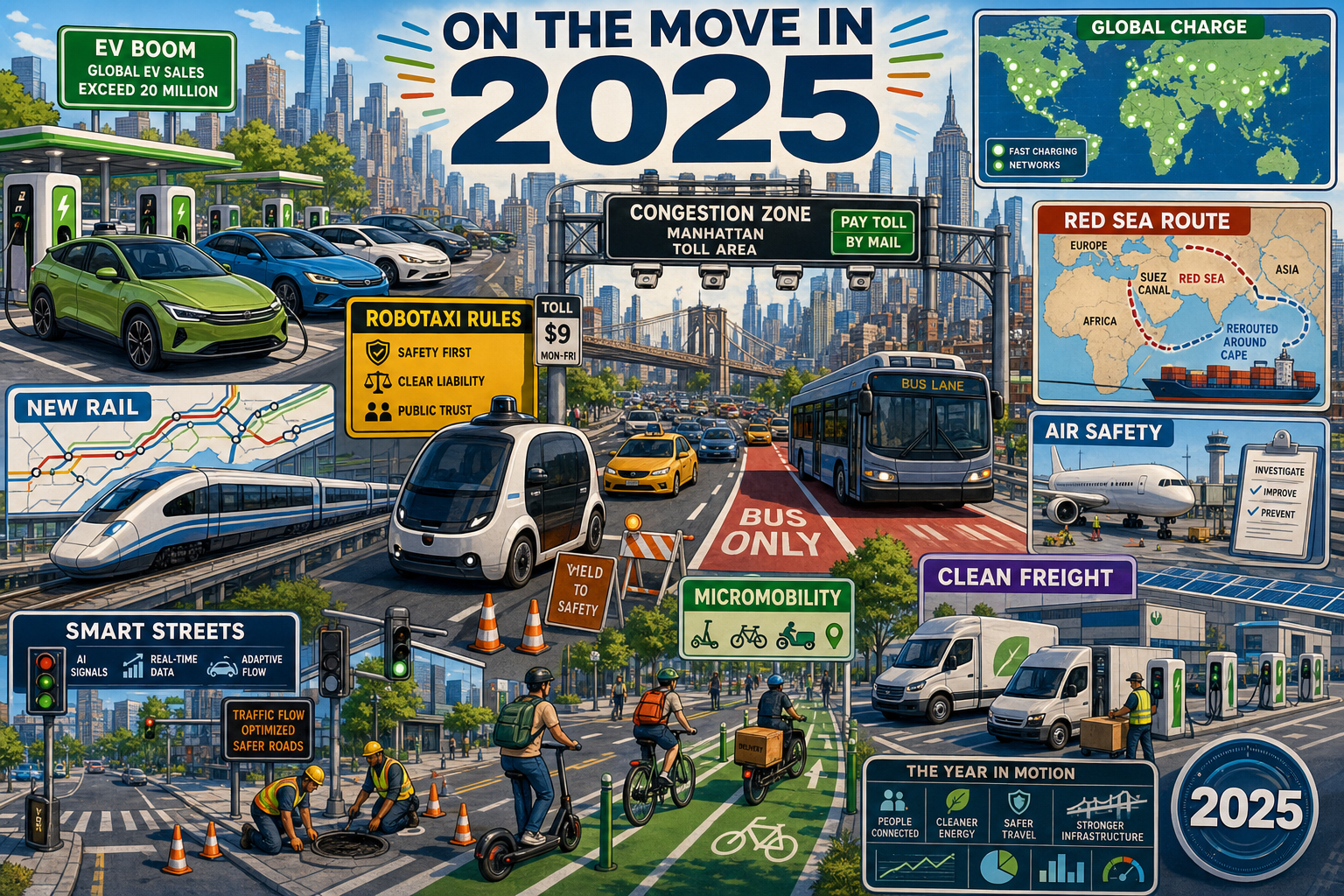
Transportation & Mobility — 2025
2025-01-01
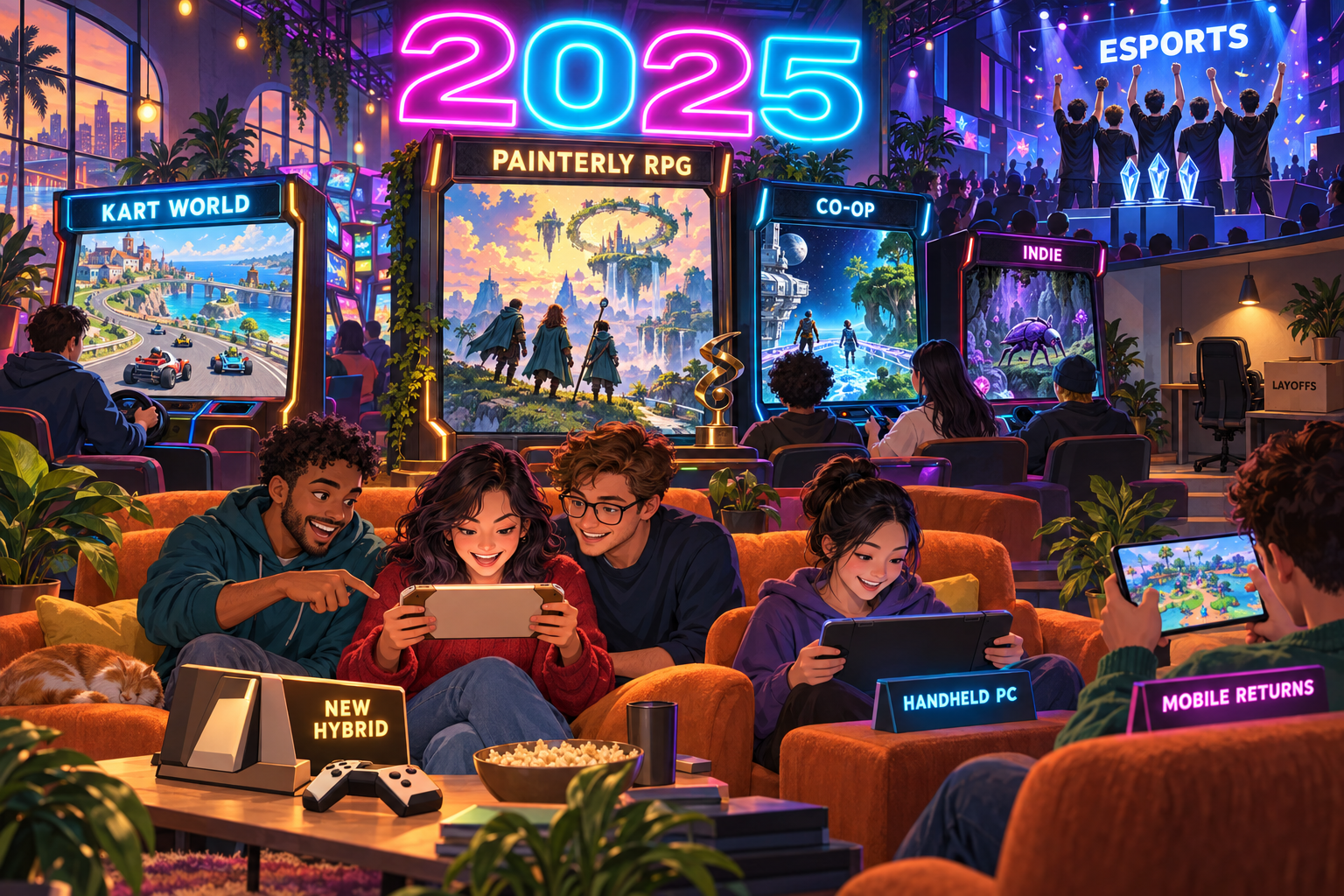
Video Game History — 2025
2025-01-01

Internet Culture Timeline — 2024
2024-01-01
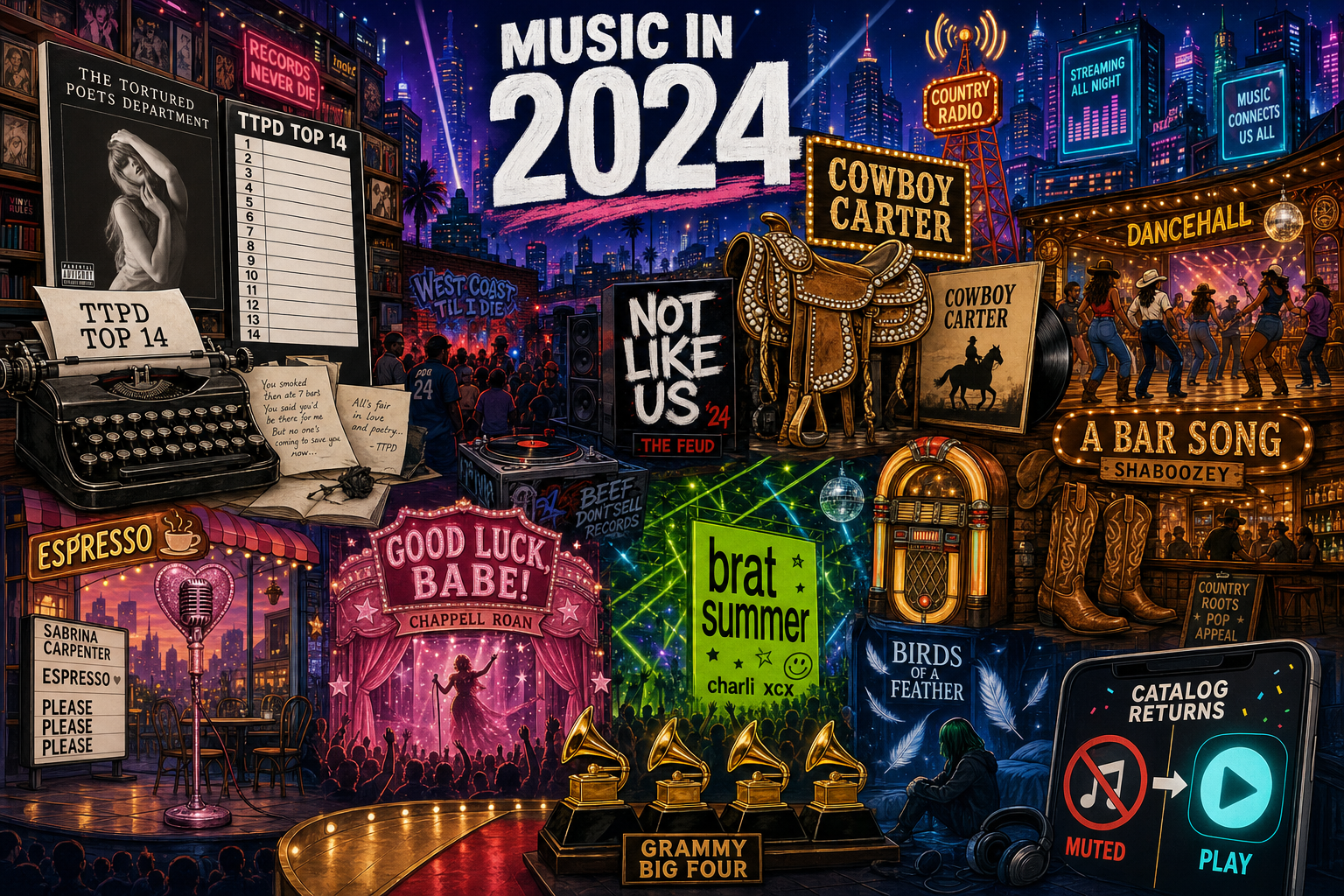
Music Yearbooks — 2024
2024-01-01
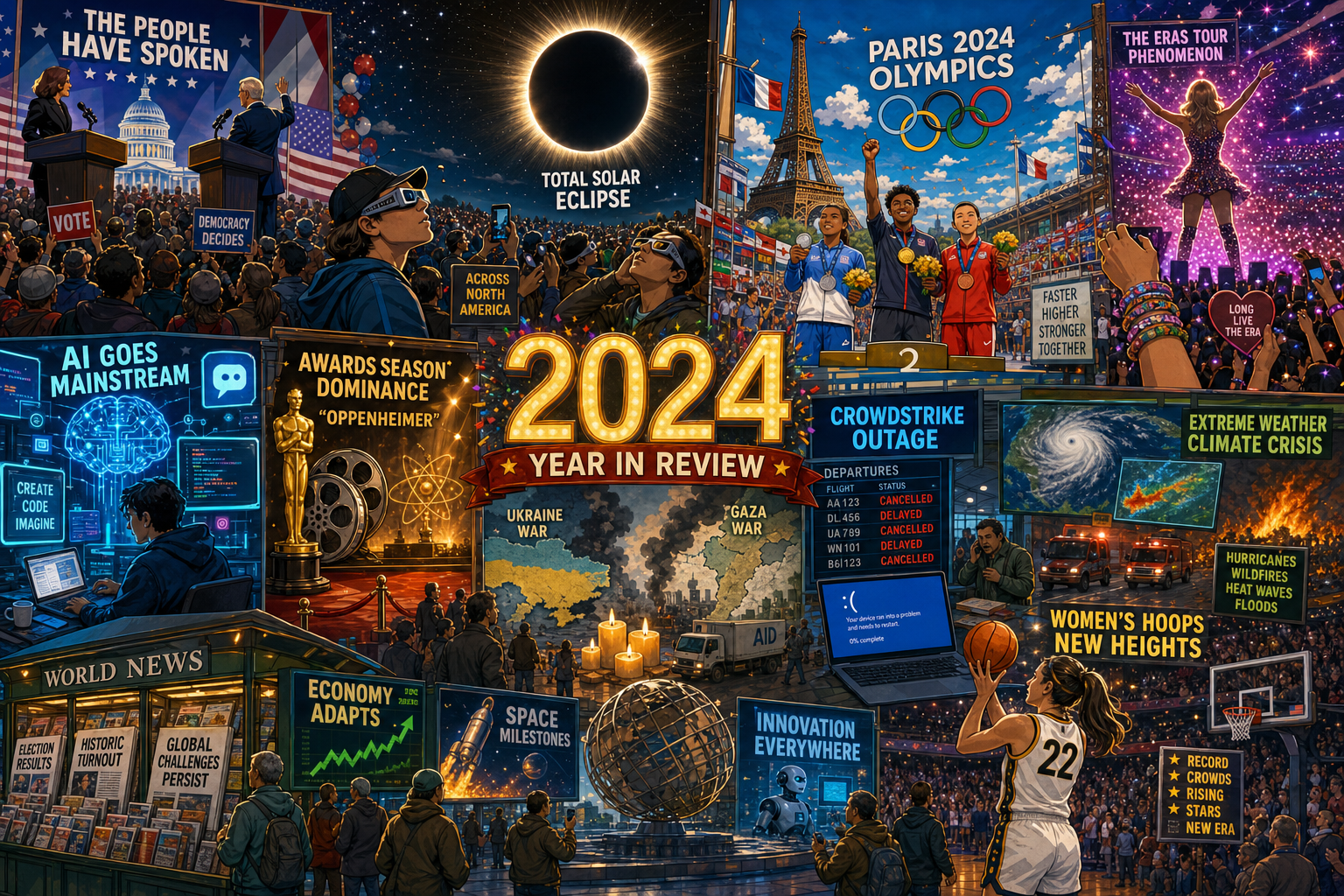
News & Culture — 2024
2024-01-01
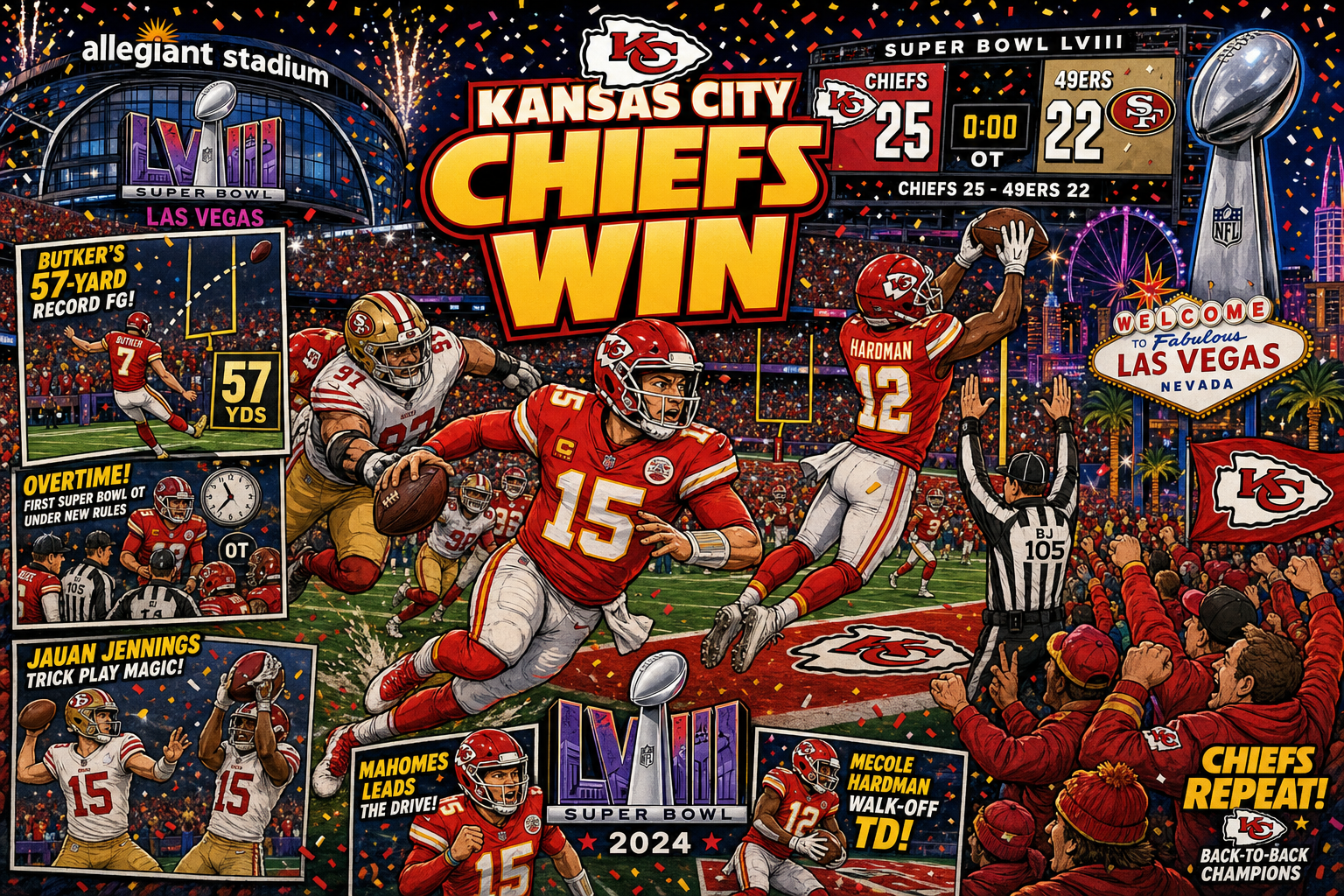
NFL Super Bowls — 2024
2024-01-01

Science Breakthroughs — 2024
2024-01-01