The Union of Sovereign States
What if… The August 1991 hardline coup never launches, Gorbachev's New Union Treaty is signed on schedule, and the USSR survives as a looser, reformed federation.
Synopsis
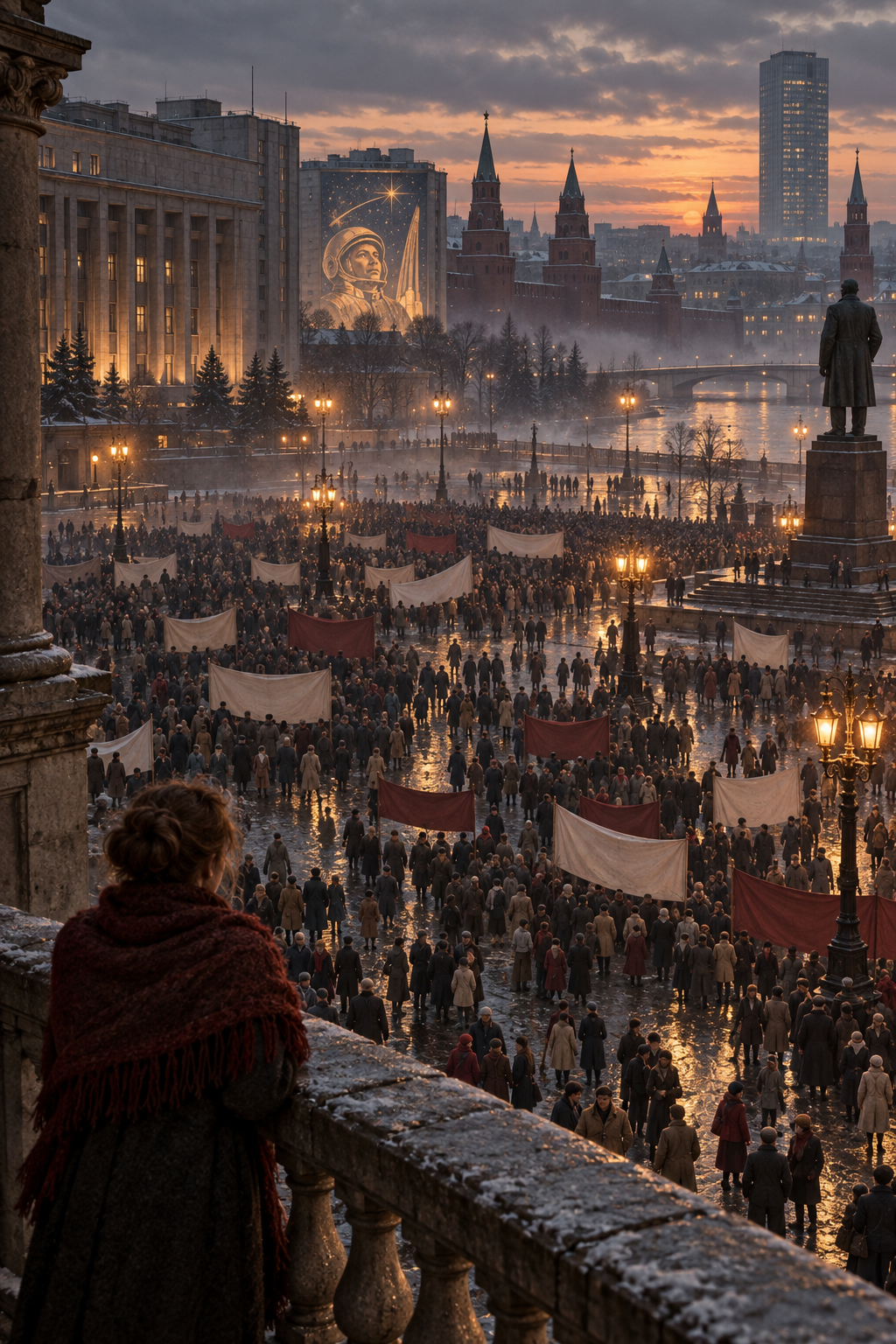
When the August 1991 coup collapses before it begins, the New Union Treaty is signed and the Soviet Union reinvents itself as the Union of Sovereign States, a loose confederation. It sheds the Baltics and the Caucasus holdouts but keeps its core, trades shock therapy for a gradual opening borrowed from Beijing, and muddles through the 1990s under Gorbachev and then a cautious technocratic succession. No unipolar American moment arrives; the world keeps two centers of gravity. Oil money and a walled-off network carry the Union into the new century, raising a generation that never knew collapse and wants more than their parents dared ask. By 2026 the federation is slower, grayer, and more durable than anyone predicted, held together less by force than by the sense that leaving would cost more than staying.
The Union of Sovereign States
What if… The August 1991 hardline coup never launches, Gorbachev's New Union Treaty is signed on schedule, and the USSR survives as a looser, reformed federation.
By the summer of 1991, Mikhail Gorbachev's reforms had loosened the Soviet Union almost to the point of breaking. Perestroika had opened the economy and glasnost the press, and the fifteen republics were drifting toward the exits. Gorbachev's answer was the New Union Treaty, a deal to refound the USSR as a looser federation of sovereign states, set for signing on 20 August. Hardliners in his own government saw surrender. Before dawn on 19 August, they placed him under house arrest in Crimea and rolled tanks into Moscow. In three days the coup collapsed, and it took the Union down with it. But suppose the plotters, drunk and divided, had lost their nerve that night, and the treaty was signed on schedule.
The night the tanks stayed in the garages
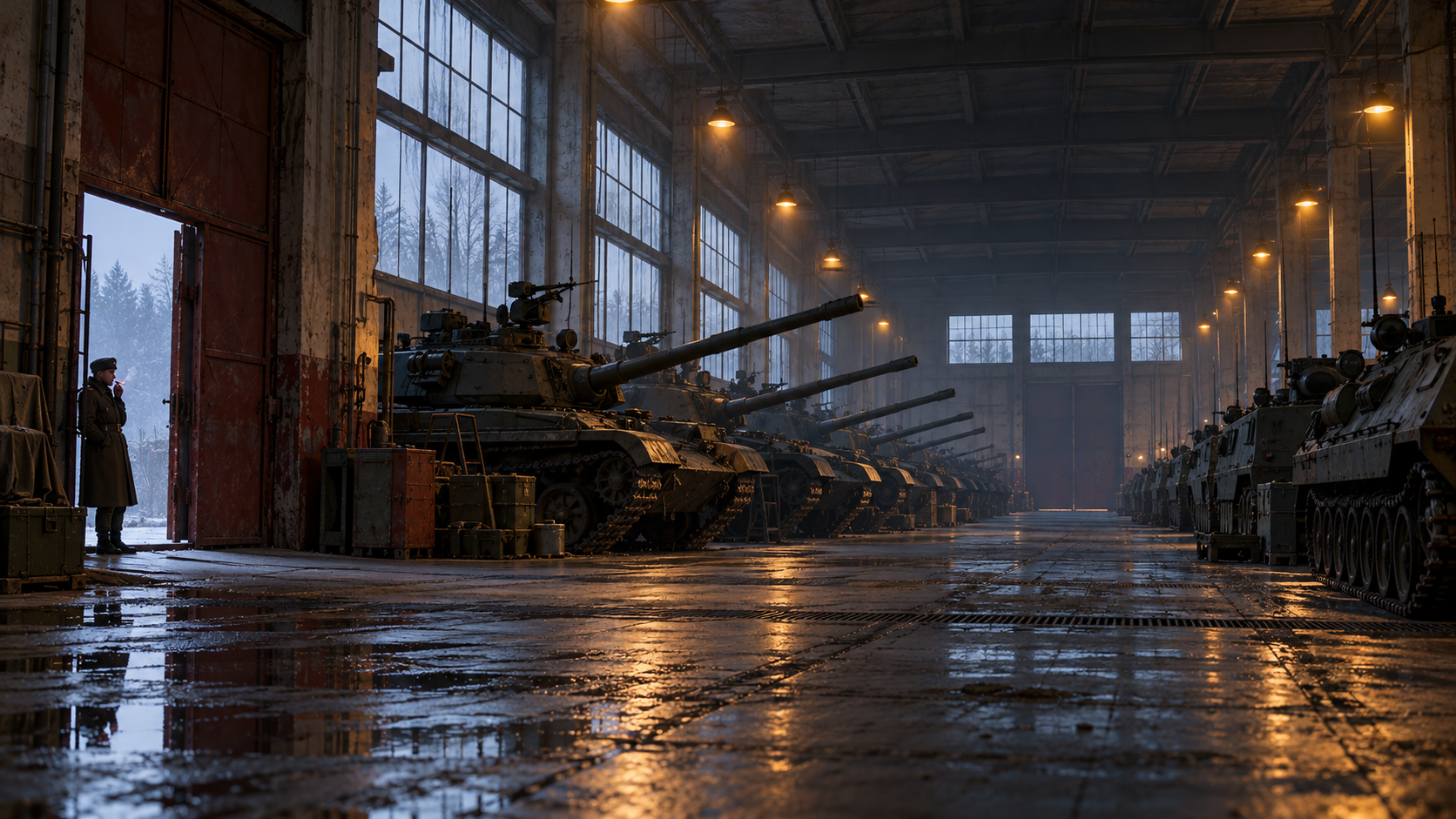
The committee met through the night of 18 August in a stuffy Kremlin office, ashtrays filling, the plan already fraying. Prime Minister Pavlov was drunk. Defense Minister Yazov doubted the army would fire on crowds. By four in the morning they had talked themselves out of it. No delegation flew to Foros, no tanks left the garages. Gorbachev, tanned from his Crimean holiday, landed in Moscow on the 19th to a city that did not yet know how close it had come. The next day, beneath the chandeliers of St. George Hall, he signed the Union Treaty with the leaders of nine republics. The Union of Sovereign States existed on paper by lunchtime.
Nine signatures, six empty chairs
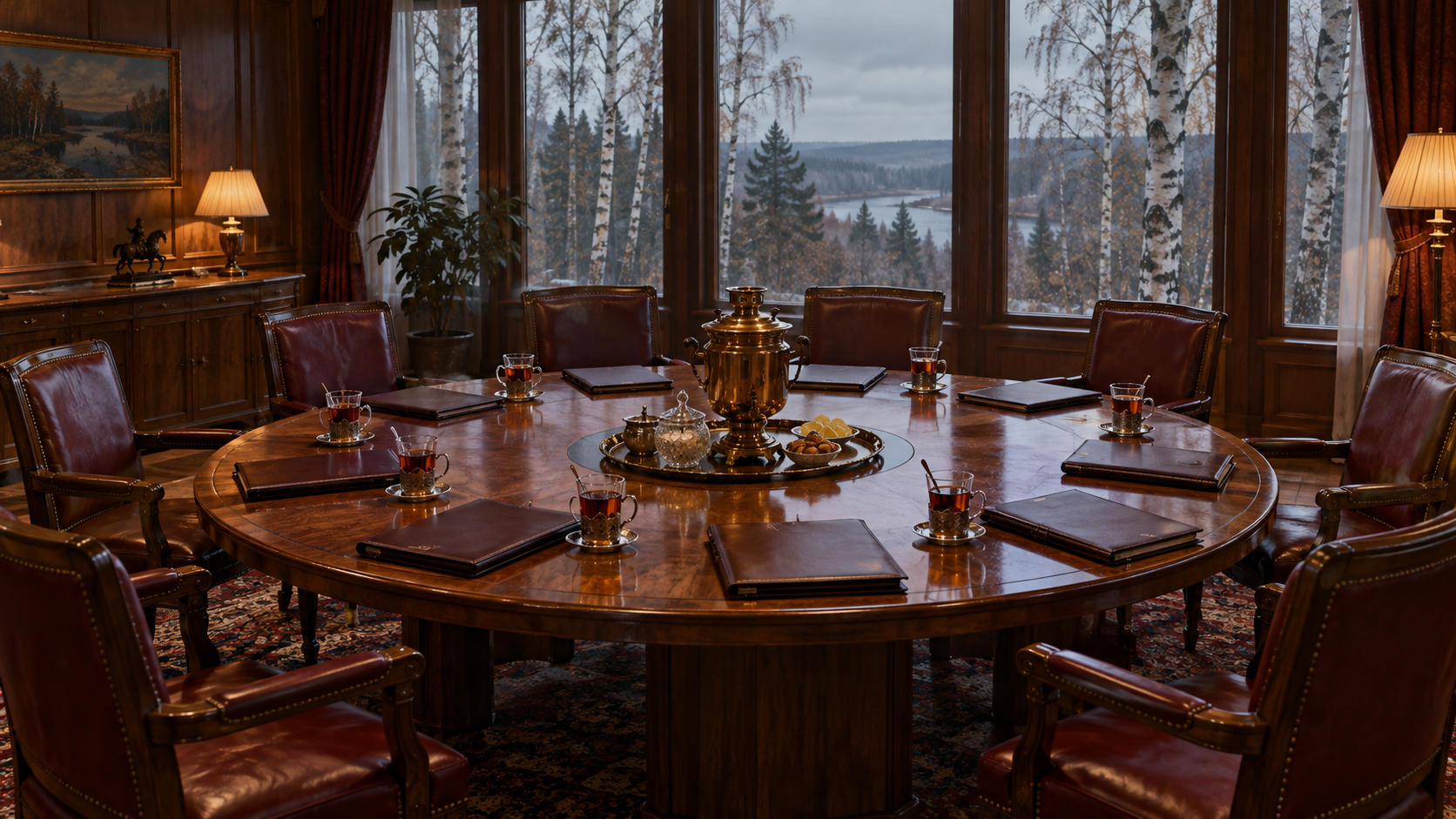
The treaty was less a country than a promise to keep negotiating. Six republics stayed out: the three Baltics, Georgia, Moldova, Armenia. Nine signed, and even they spent a year arguing over what they had agreed to. Ukraine held back longest; Kravchuk would not commit until the terms gave Kyiv its own army, its own currency board, and a veto over Union taxes. Gorbachev was president of a confederation now, not a master of it. Yeltsin ran Russia, the largest piece, and the two men circled each other warily in the same Kremlin. Power had drained downward to the republics, and nobody was quite sure the center could still hold the parts together.
The slow thaw
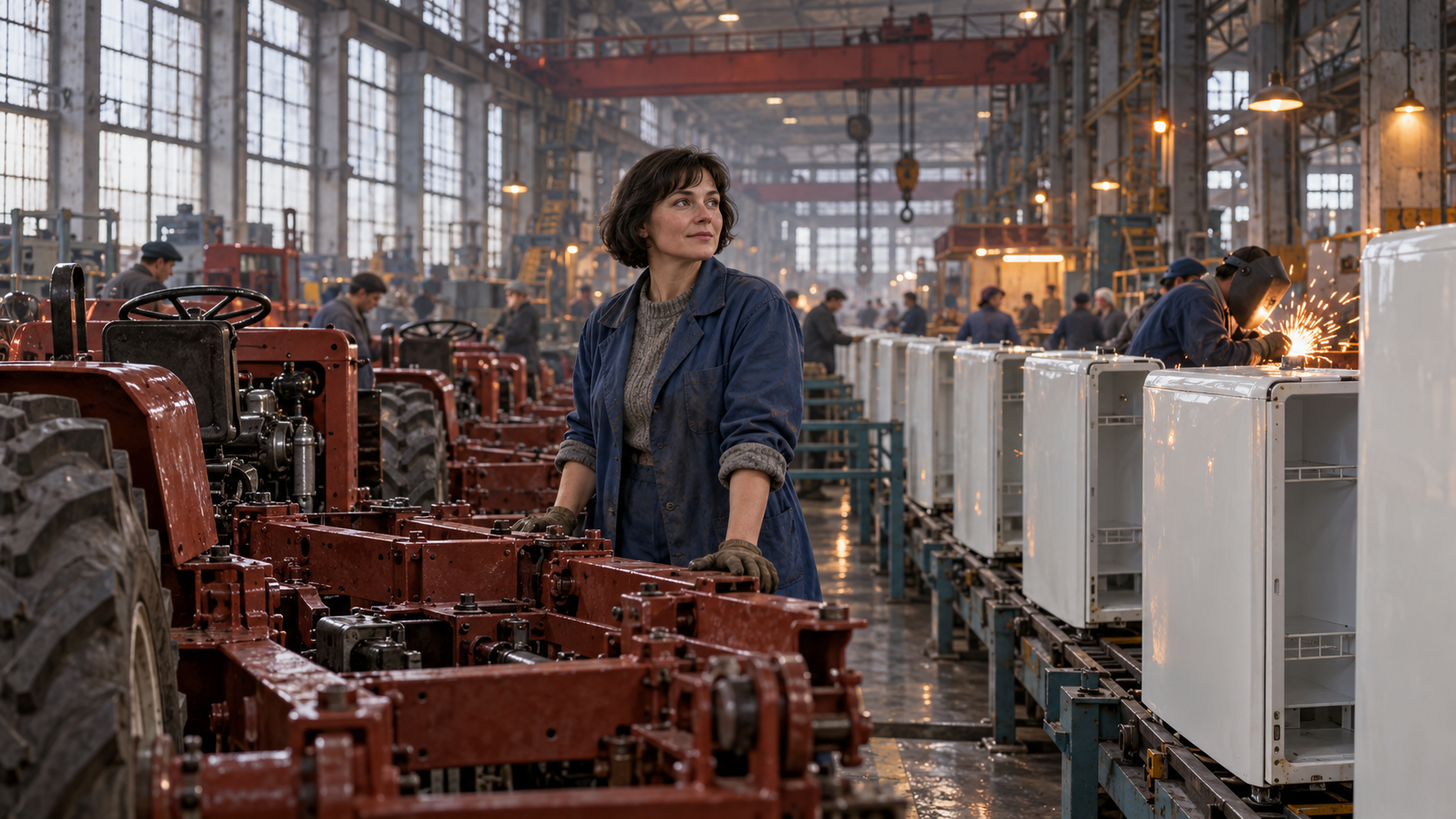
The Union did not leap into capitalism; it waded. There was no shock therapy, no overnight price release that wiped out savings. Instead the planners borrowed from Beijing: special economic zones along the Pacific, joint ventures with Japanese and German firms, private shops licensed beside the state ones. In Chelyabinsk, an engineer named Larisa watched her tractor plant retool half its line to assemble refrigerators under a Siemens contract. Her pay came late and in a ruble that bought a little less each month, but it came. The shortages eased by inches. By 1996 her sons could buy jeans that were not smuggled, and the queue outside the bread shop had become merely long rather than endless.
After Gorbachev
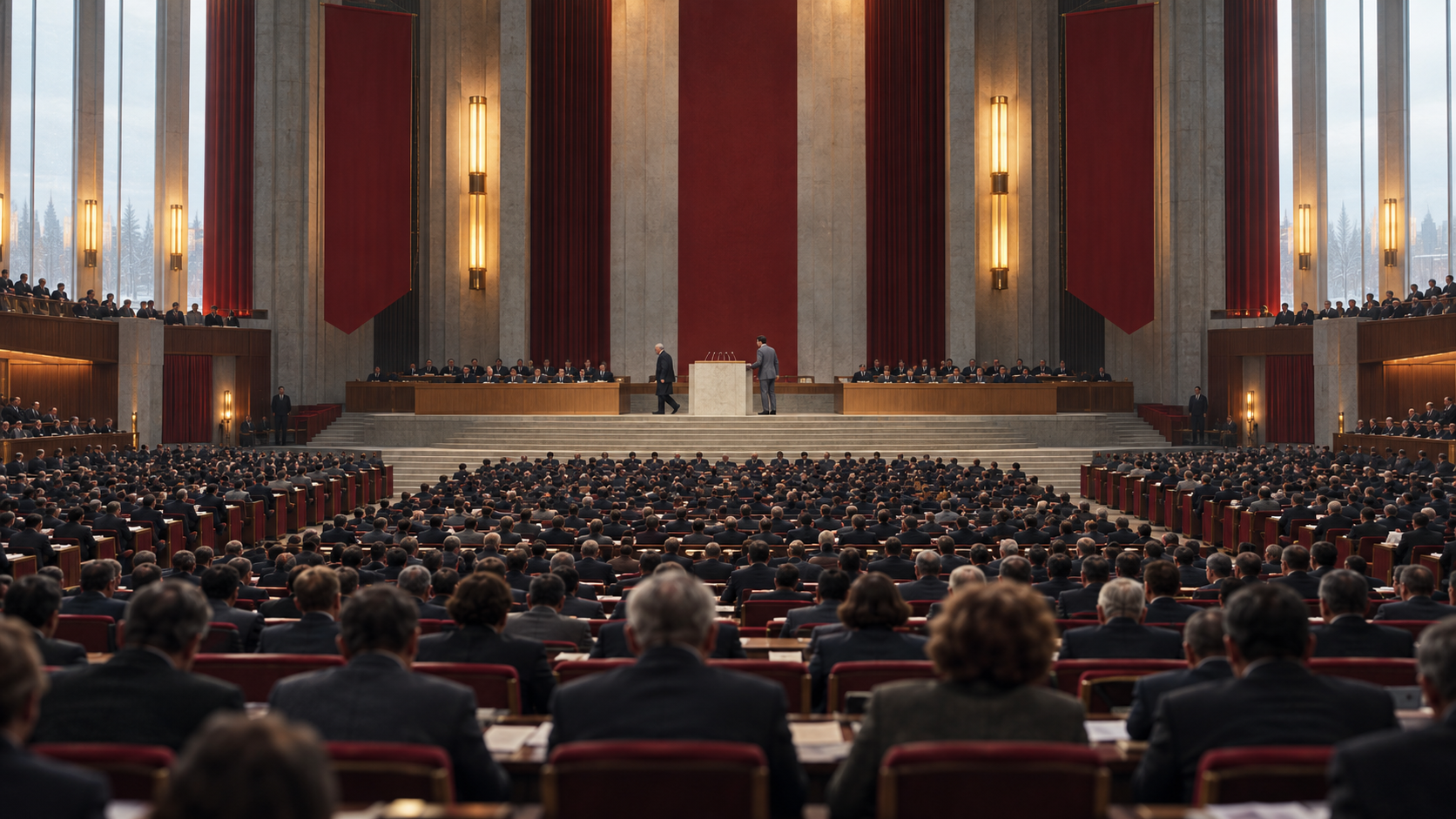
Gorbachev stepped down in 1999, older and outmaneuvered, handing the Union presidency to a committee-bred administrator who promised continuity and delivered caution. The Communist Party had split in two: a reformist wing that renamed itself Social Democratic and won real elections, and a rump of nostalgics who shrank with every vote. Opposition was legal but hemmed in. You could criticize a minister, start a newspaper, lose an election to the ruling bloc and try again. Nazarbayev took the Union premiership and ran the economy like a shrewd landlord. It was not the democracy the 1991 crowds had imagined. It was also not the prison their parents remembered, and most people, exhausted, took the trade.
Two suns
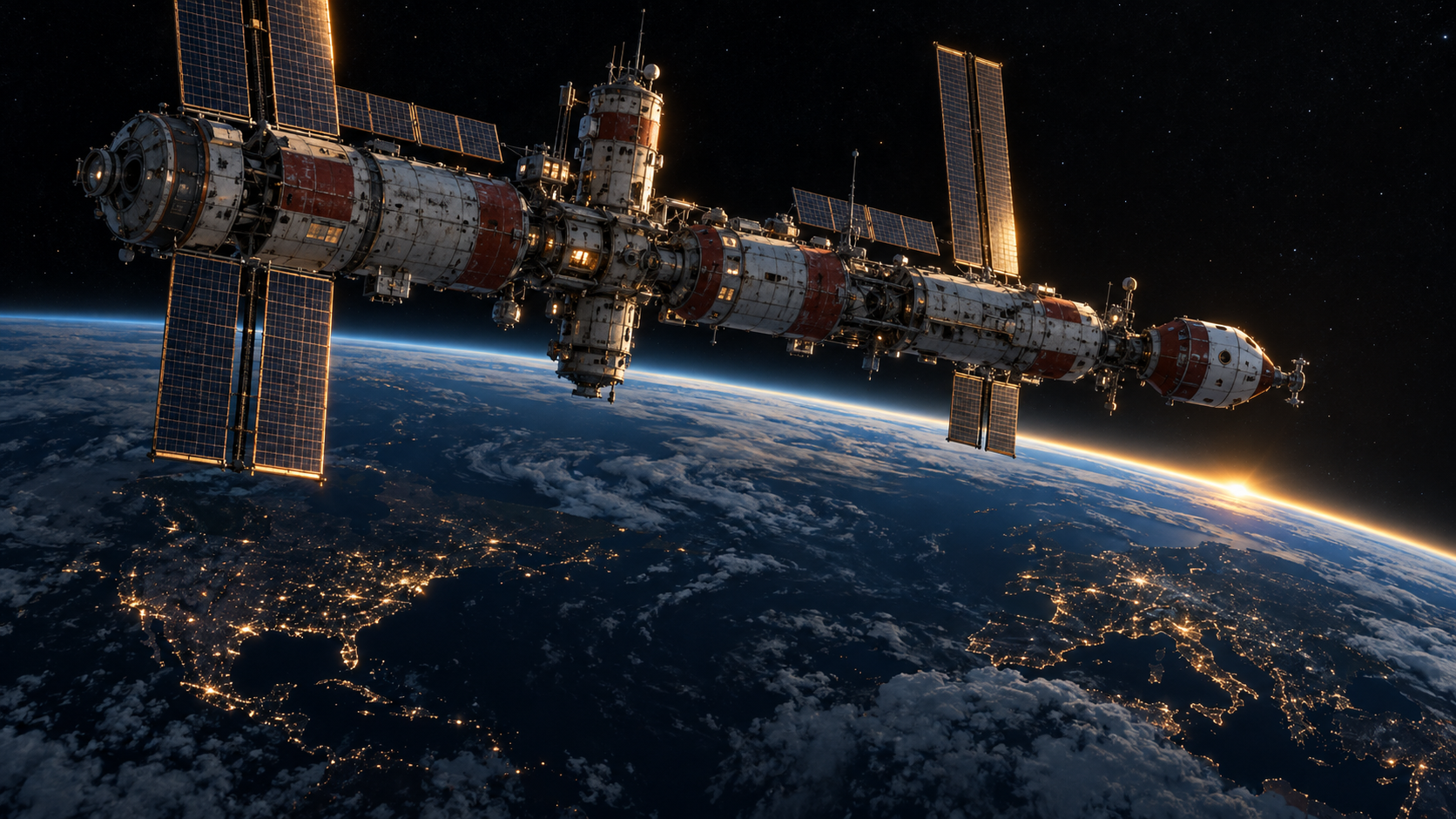
The Cold War did not end so much as lower its voice. With the Union intact, Washington still faced a rival, poorer but armed and whole, and the triumphant unipolar decade never arrived. NATO added no members east of Berlin; there was no line to push against a country that had not fallen. When airliners struck New York in September 2001, Moscow quietly shared its maps of Afghanistan and said nothing about the irony. Mir never came down. In 2003 a Soviet crew and an American one shook hands aboard a jointly funded station, smiling for the cameras while their governments bickered over everything else. The planet had two centers of gravity again, and oddly, that felt steadier than one.
The children of the treaty
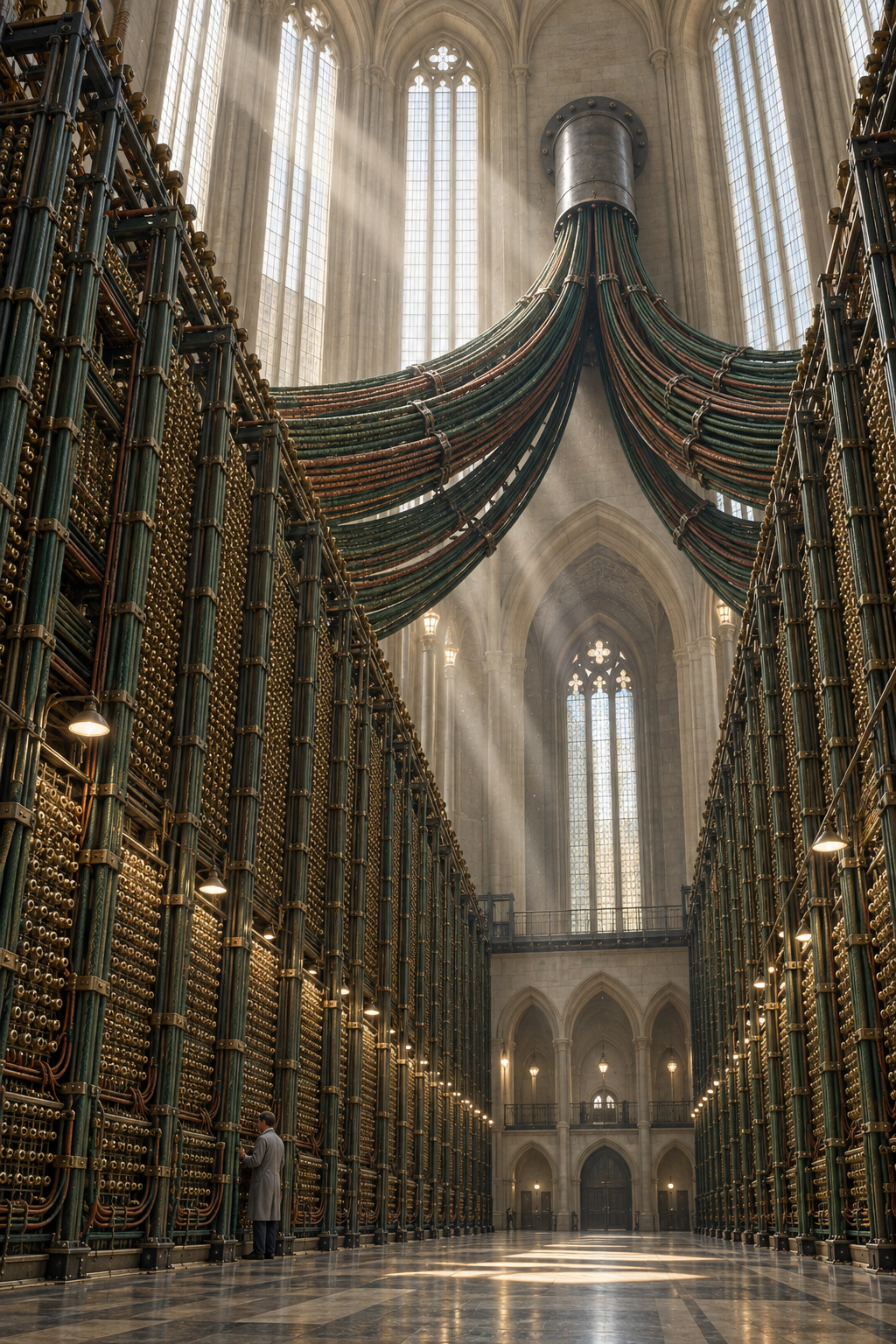
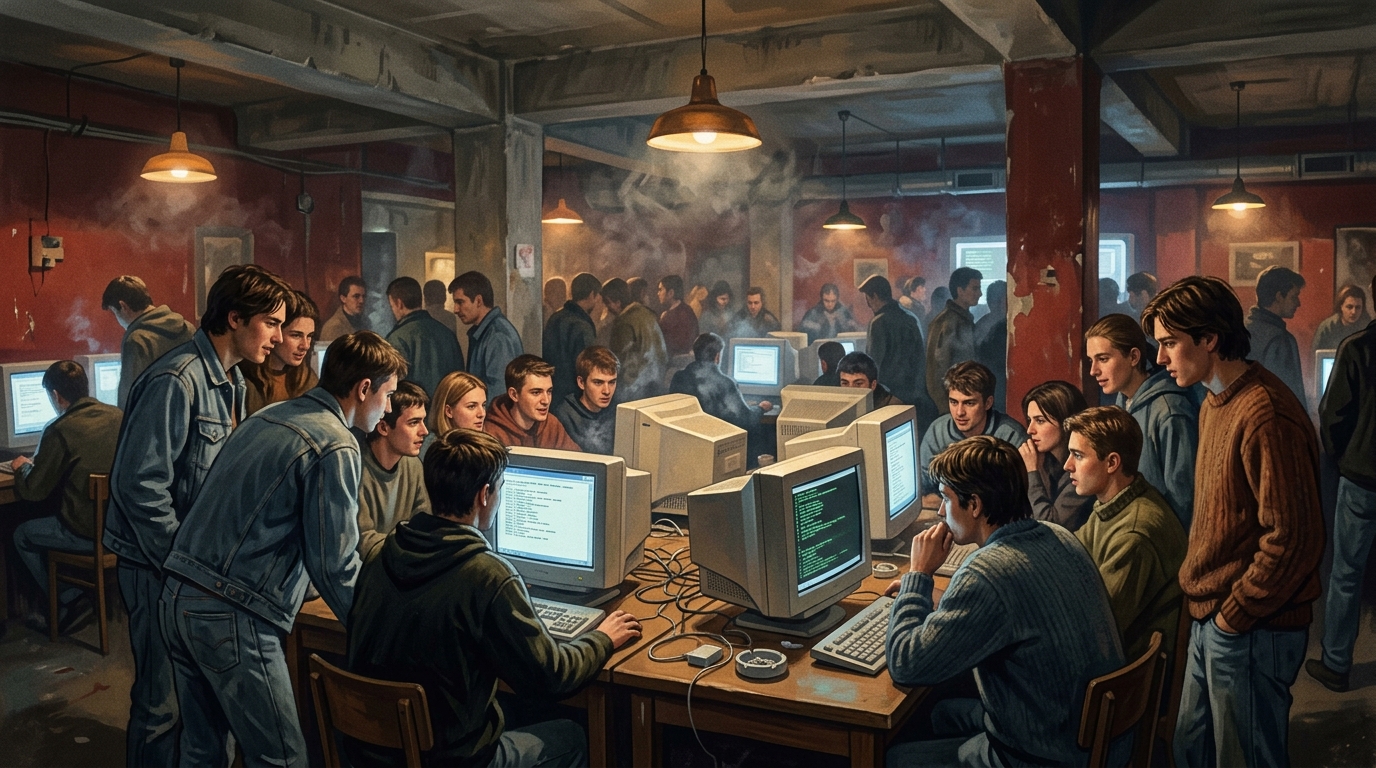
Oil and gas did for the Union what reform alone could not. Through the 2000s, high prices filled the treasury, and some of it even reached the regions. A domestic computer network, walled off and watched, spread from the universities down into basement cafes where teenagers traded music and argued politics. These were the children of the treaty, born after 1991, who had never stood in a bread queue or feared a knock at midnight. They took the Union for granted the way you take weather for granted, and they wanted more from it: faster trains, cleaner elections, a reason to stay. Their parents had wanted the shelves to fill. The young wanted the windows opened wider.
Cracks in the federation
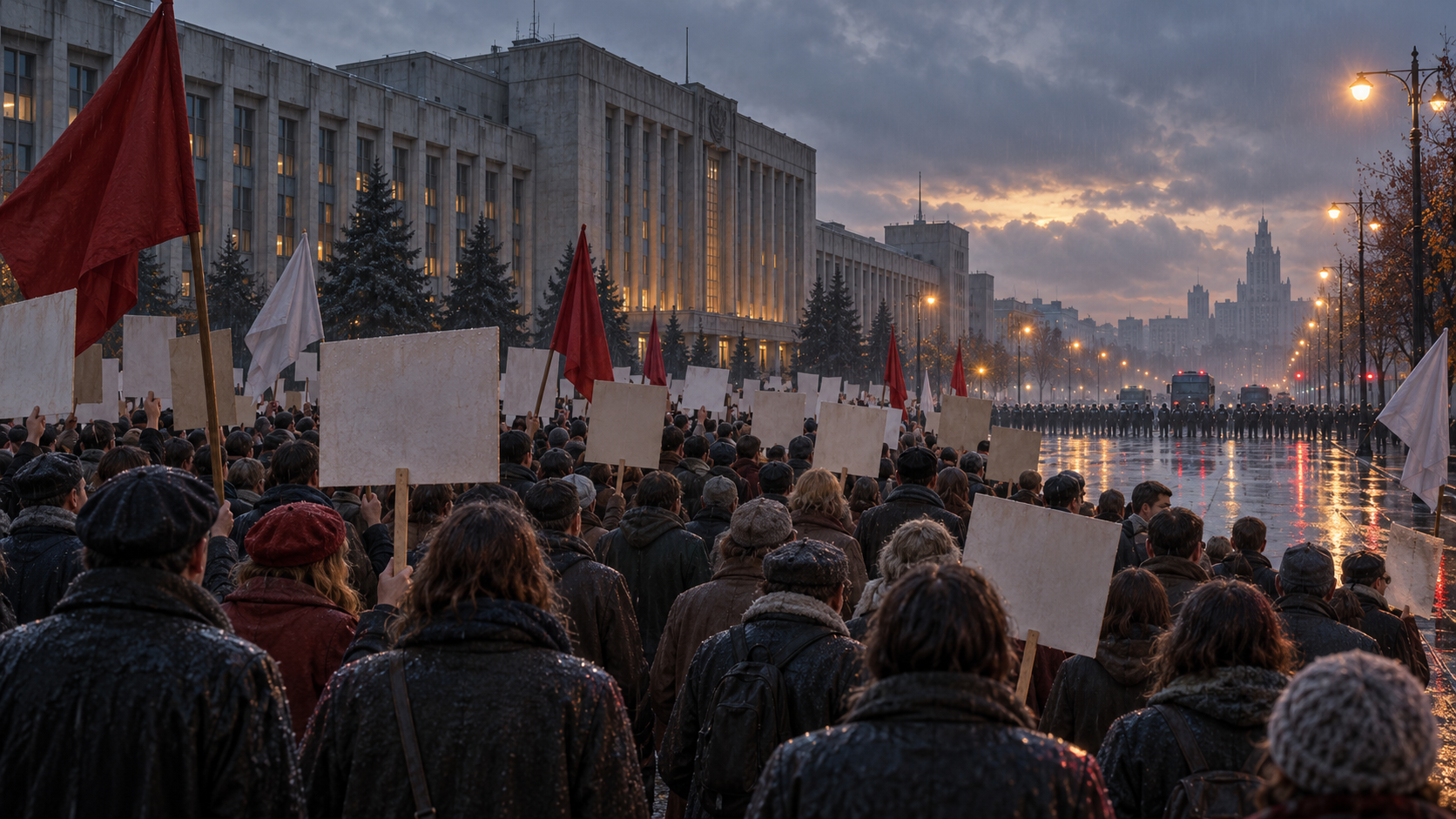
Prosperity bought patience, not loyalty. When prices fell after 2012, the strains showed. Central Asian republics chafed at Moscow's cut of their gas, and a revival of Islam unsettled the secular old guard. Chechnya smoldered. Twice, large crowds filled Union cities demanding the clean elections they had been half-promised, and twice the government conceded a little and clawed back more. Ukraine, still in the fold, won another round of autonomy instead of fighting a war for the exit, and the gas kept flowing west. The confederation bent almost constantly and did not break, held together less by force than by the dull arithmetic that leaving would cost more than staying. It was an ugly, workable peace.
Larisa's window
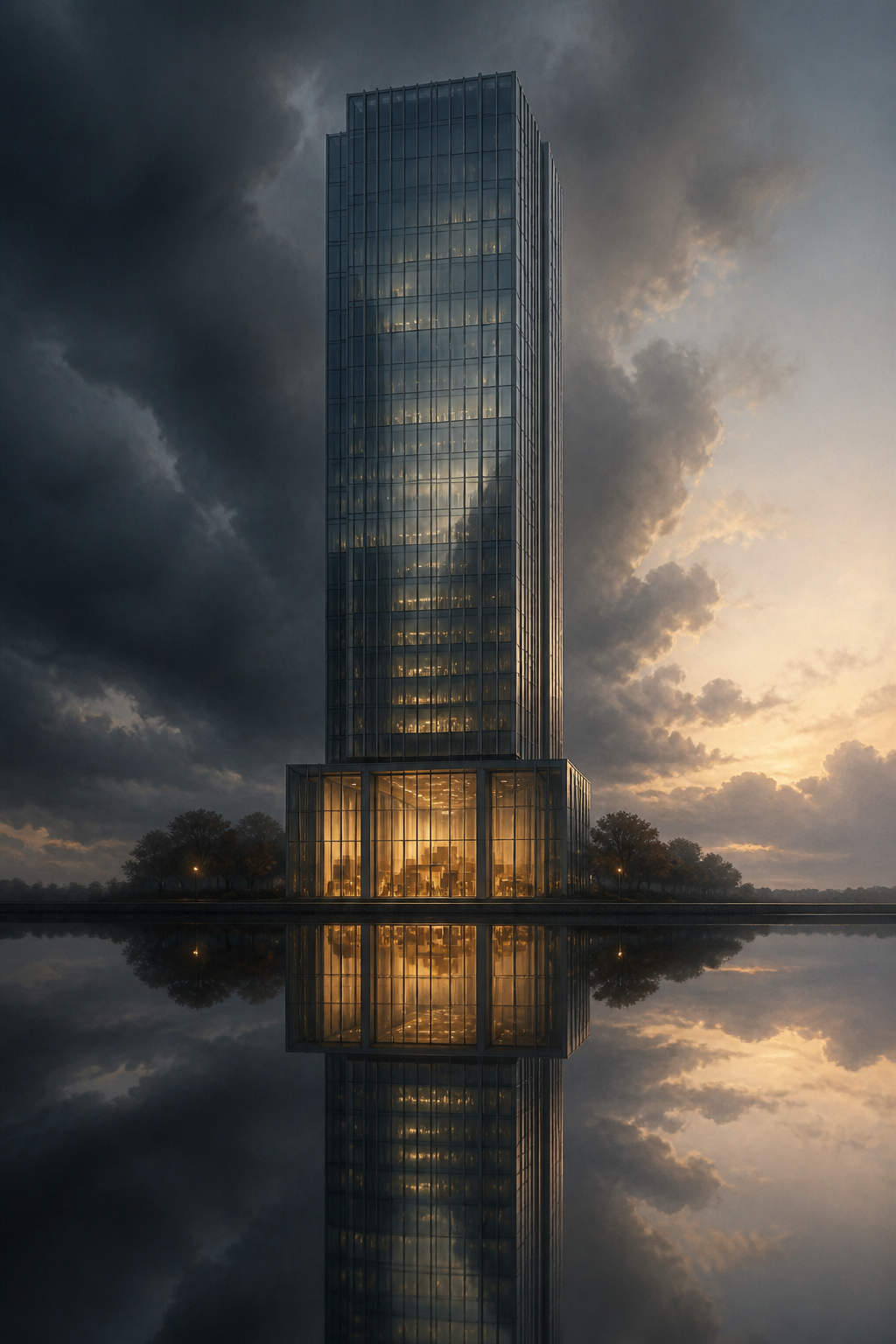
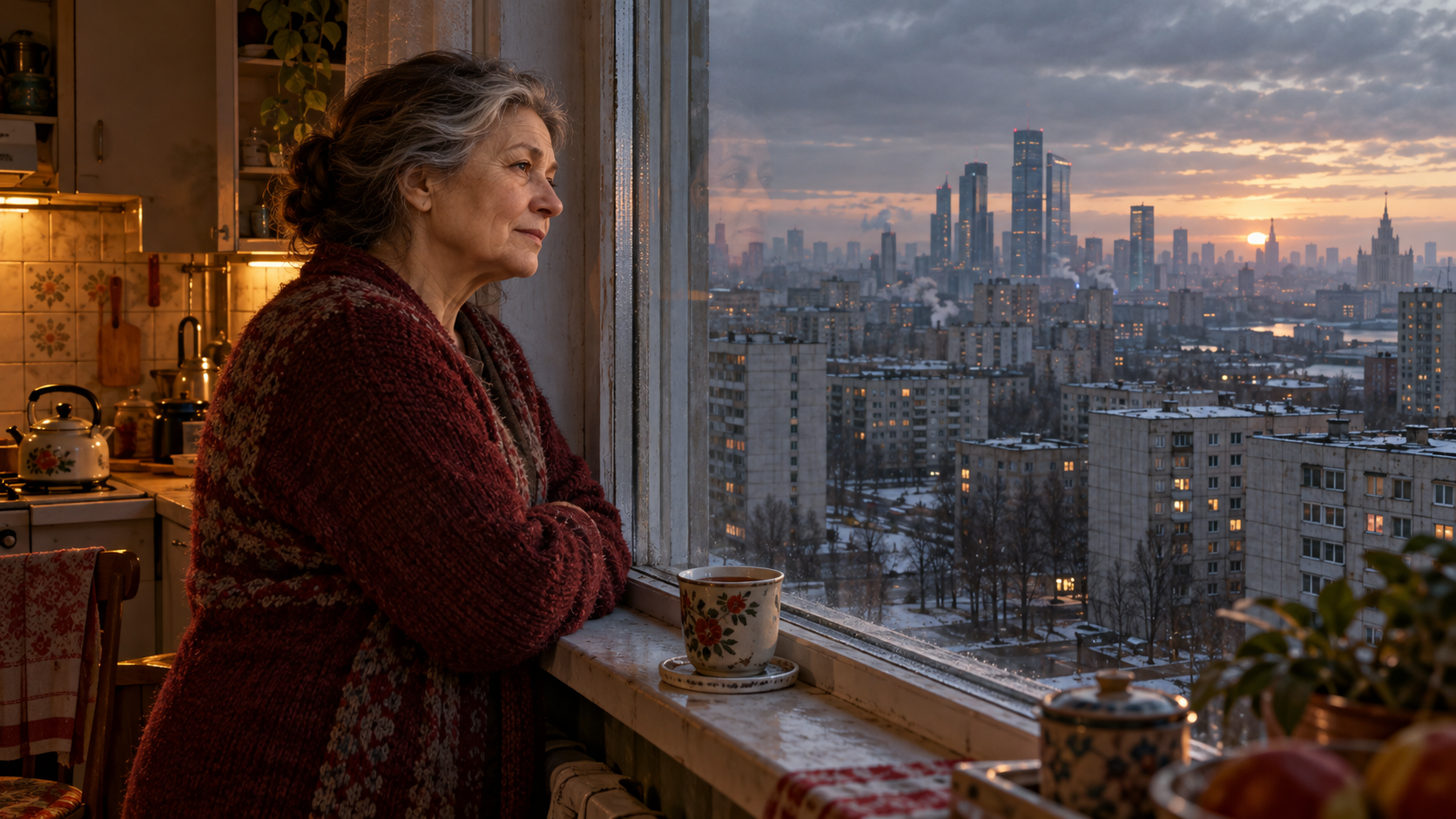
Larisa is sixty-one now, retired from the plant that still makes refrigerators, mostly for export to India. From her kitchen window in Chelyabinsk she can see a glass tower that was not there when she was young, and behind it the same concrete blocks that always were. Her grandchildren video-call from Kyiv and Alma-Ata over the Union network, complaining about the same government in three accents. The country they live in is not the one the planners drew, nor the one the dreamers of 1991 wanted. It is slower, grayer, and more durable than either. Some mornings she wonders what the other road looked like, the one where it all came apart. Then the tea goes cold and she gets up.
More from Alternate History